English
 日本語
日本語 عربى
عربى Español
 Deutsch
Content
- 1 What Makes Outdoor Wagon Factory Different From Regular Cart Production for Outdoor Use
- 2 How Outdoor Wagon Factory Designs Foldable Wagons for Camping Beach and Garden Transport
- 3 Why Outdoor Wagon Factory Materials Matter for Load Carrying and Outdoor Conditions
- 4 Which Buyers Choose Outdoor Wagon Factory Products for Retail Ecommerce and Wholesale Supply
- 5 How Foldable Wagon Design Balances Structure With Load Carrying Needs
- 6 What Quality Factors Customers Check When Working With Outdoor Wagon Factory Partners
- 7 How Outdoor Wagon Manufacturing Supports Custom Branding and OEM Development for Different Markets
Outdoor wagon products sit between everyday utility and outdoor convenience. Buyers often look beyond the finished item itself and pay attention to how it is designed, built, and adapted for different usage needs. Behind these considerations, the production source plays a quiet but important role in shaping expectations around structure, durability, and practical performance. Outdoor Wagon Factory becomes a reference point for how these products are planned and delivered across different use cases.
What Makes Outdoor Wagon Factory Different From Regular Cart Production for Outdoor Use
The idea of an Outdoor Wagon Factory is closely connected with how products are shaped for outdoor conditions rather than indoor handling tasks. Compared with standard cart production, the focus shifts toward movement across uneven surfaces and changing environments.
Key differences usually include:
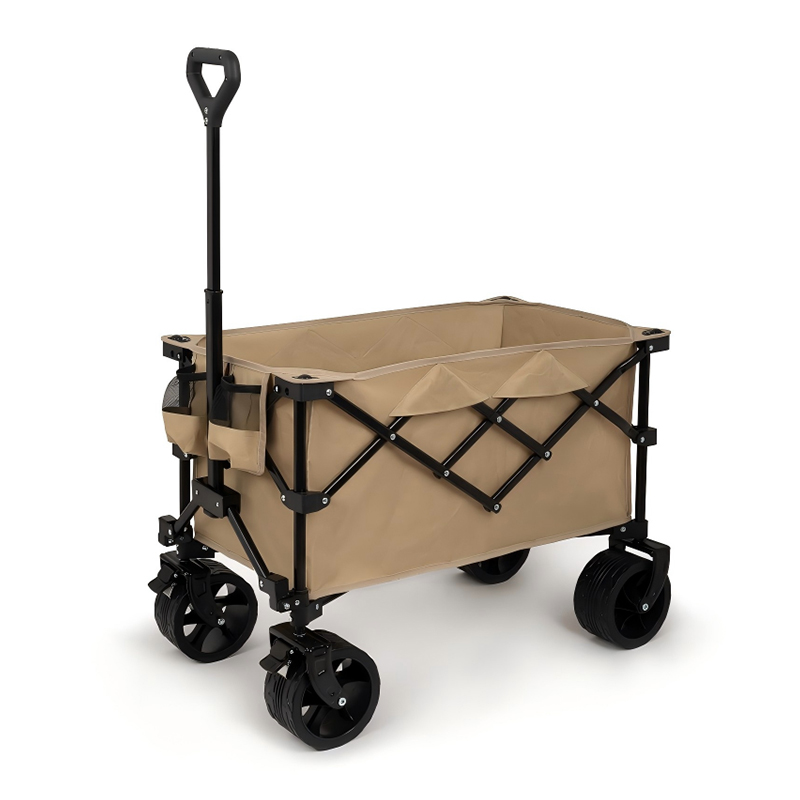
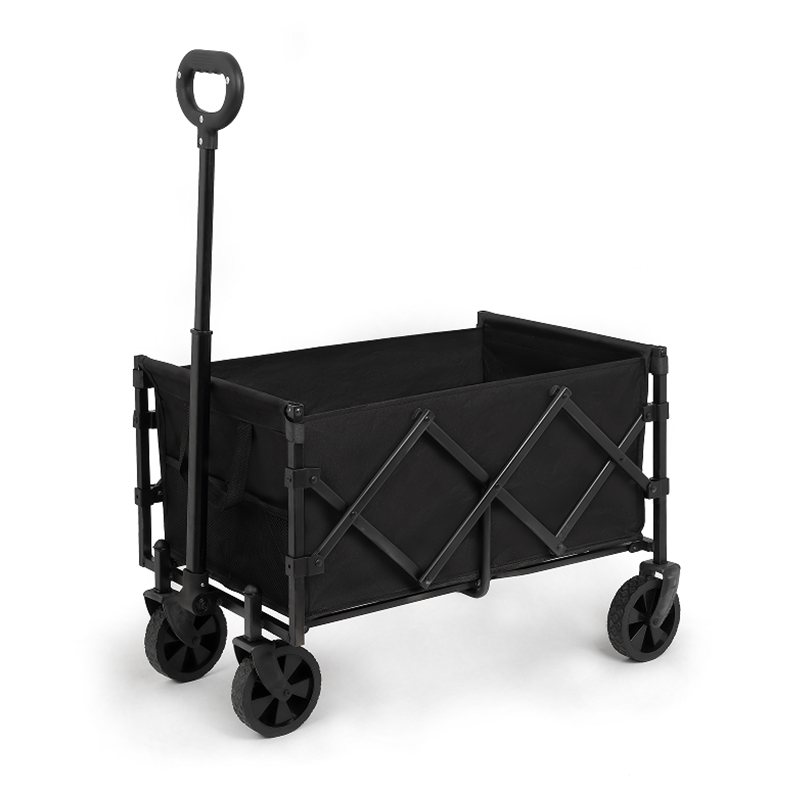
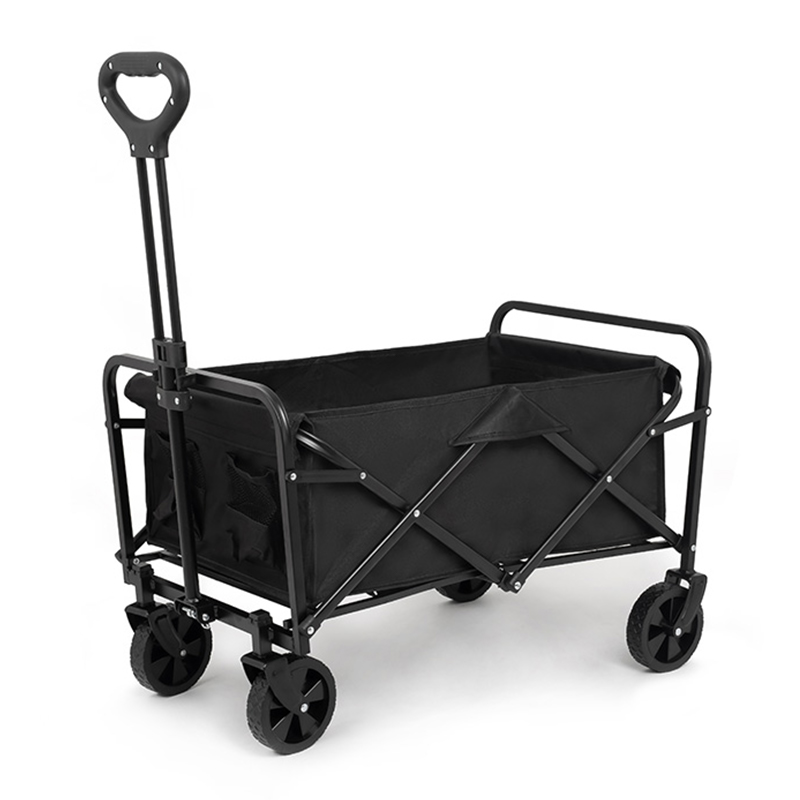
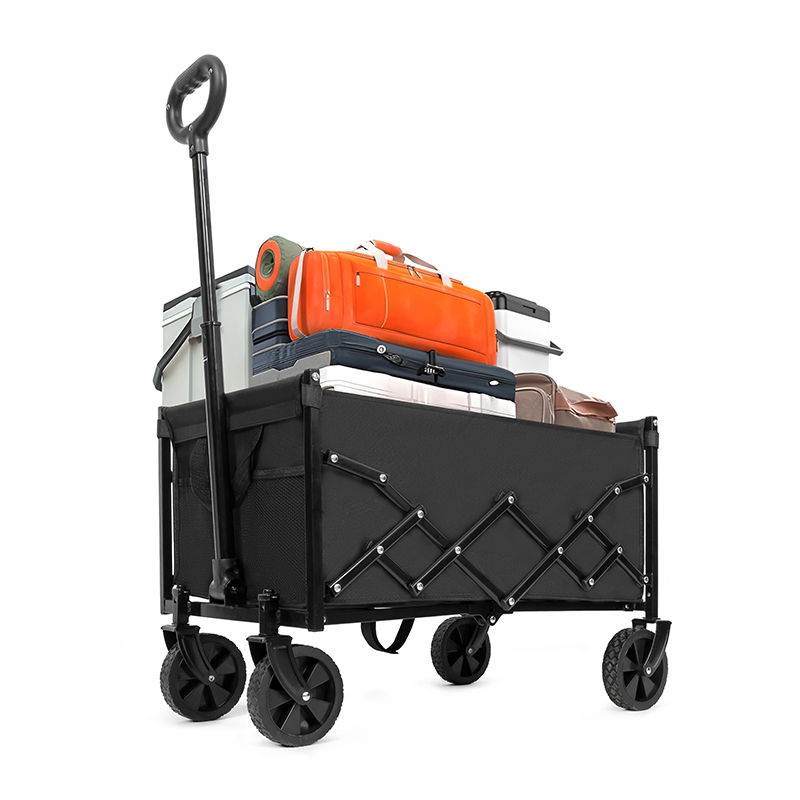
- Frame structure designed for folding convenience
- Wheel design adjusted for grass, sand, or mixed terrain
- Fabric selection that supports outdoor exposure
- Storage friendly construction for transport and carrying
A regular cart production line often focuses on fixed-route transport, while wagon manufacturing for outdoor use tends to consider more flexible usage situations. The emphasis is less about single-purpose strength and more about adaptable movement in varied environments.
How Outdoor Wagon Factory Designs Foldable Wagons for Camping Beach and Garden Transport
Design direction in Outdoor Wagon Factory production usually follows practical outdoor scenarios. Folding systems are not only about saving space but also about making setup and packing more manageable in real conditions.
Common design considerations:
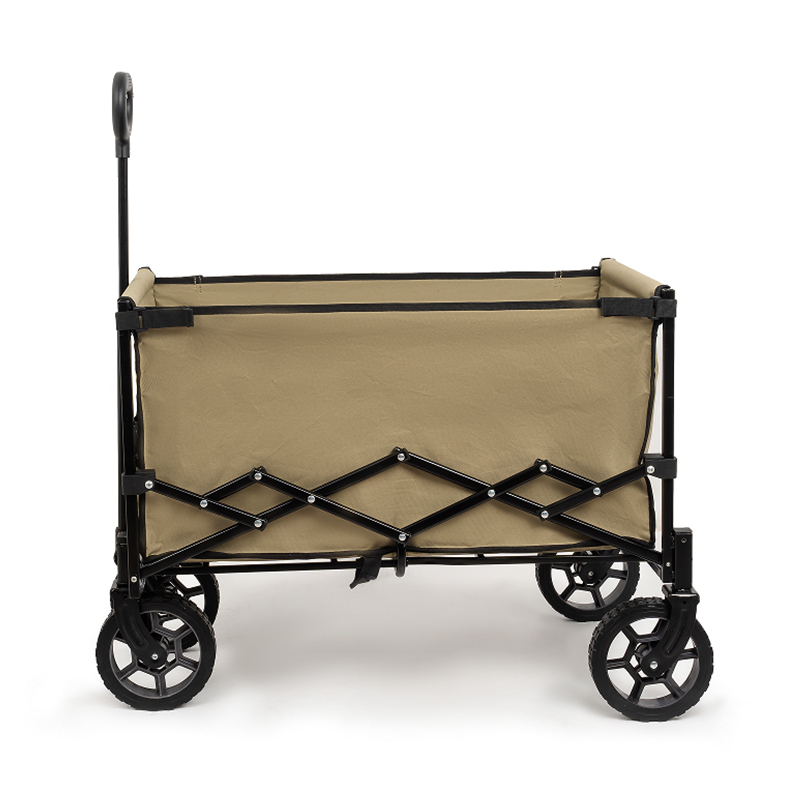
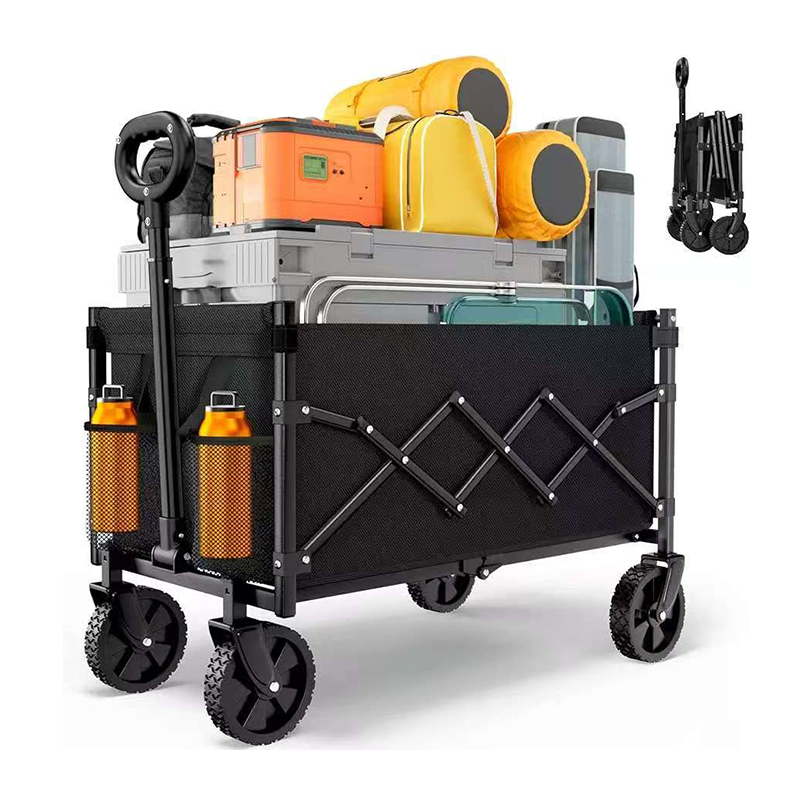
- Quick folding frame that reduces handling steps
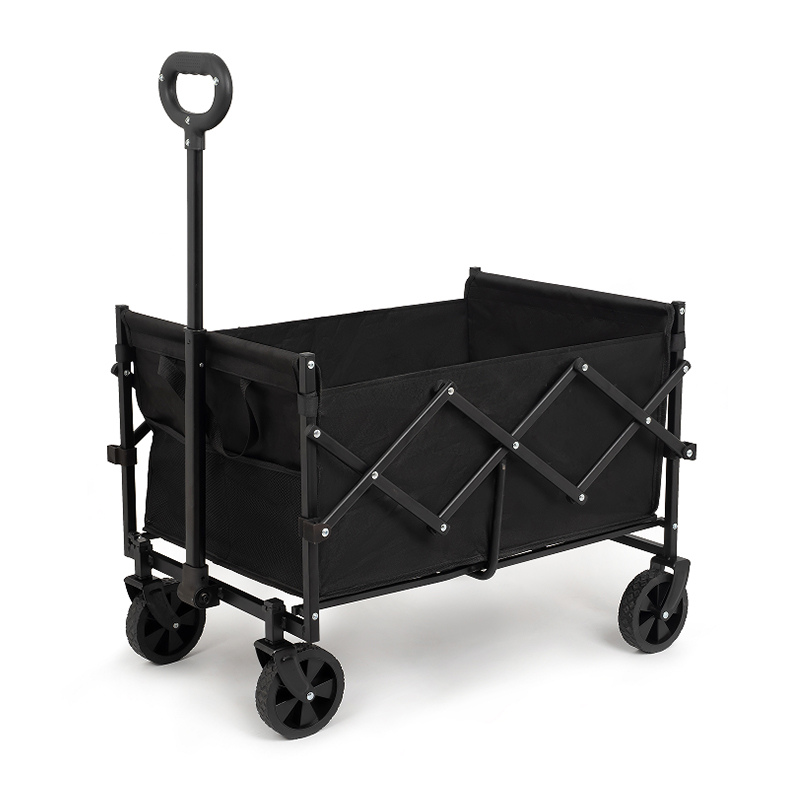
- Handle structures that adjust for pushing or pulling
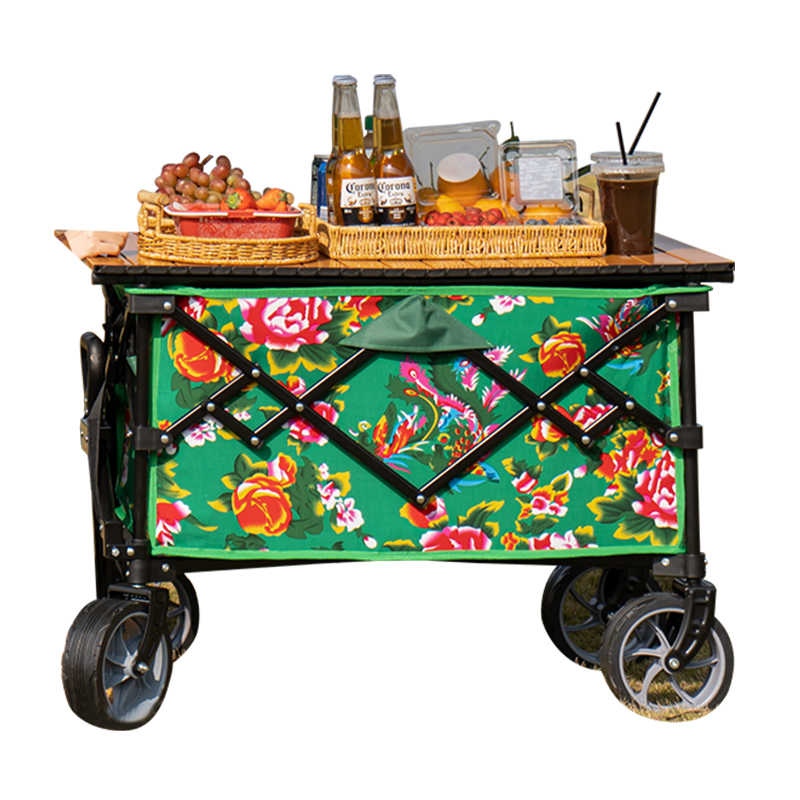
- Fabric compartments that support loose or mixed items
- Wheel spacing that helps stability on soft ground
| Usage Scenario | Design Priority | Structural Focus |
|---|---|---|
| Camping | Easy storage | Compact folding frame |
| Beach | Movement on soft ground | Wider wheel base |
| Garden | Carrying tools and materials | Reinforced frame support |
Why Outdoor Wagon Factory Materials Matter for Load Carrying and Outdoor Conditions
Material choice plays an important role in how outdoor wagons behave when they are used repeatedly in different environments. In Outdoor Wagon Factory production, each part is usually matched with a specific function instead of being selected only for appearance.
The frame is generally built with a focus on keeping the structure steady during movement, especially when the wagon is carrying uneven loads or moving across mixed ground. Fabric selection is also treated as more than a visual decision, since it needs to handle contact with soil, sand, and general outdoor friction over time. At the same time, the points where parts connect are often reinforced so the structure can handle repeated folding without loosening or deformation.
Wheel design is another area where material decisions matter. Different surfaces require different levels of grip and movement response, so wheel composition is adjusted to support smoother handling across grass, gravel, or sandy paths. In this way, outdoor wagon production planning tends to connect material use with actual outdoor behavior, helping the product stay usable across changing conditions rather than a single fixed setting.
Which Buyers Choose Outdoor Wagon Factory Products for Retail Ecommerce and Wholesale Supply
Outdoor wagon products tend to attract buyers from different commercial backgrounds, each with their own way of using and presenting the product. The decision to source from an Outdoor Wagon Factory is often linked to how the item will fit into their sales or distribution structure rather than just the product itself.
Some online sellers prefer these wagons because they can be placed within broader outdoor or home utility listings, where practical transport features appeal to end users. Retail distributors may view them as part of a lifestyle range that supports travel, gardening, or outdoor activity themes. In other cases, suppliers focused on outdoor equipment include them alongside camping or recreational goods, where portability and convenience are important. Wholesale partners usually look at how the product can blend into mixed catalogs without requiring a highly specialized category.
Across these different buyer groups, attention is often given to how consistent the product output is, how it fits packaging and branding needs, and how easily it can be adapted into existing offerings. Outdoor wagon production is therefore often evaluated in terms of flexibility within supply channels rather than isolated product appeal.
How Foldable Wagon Design Balances Structure With Load Carrying Needs
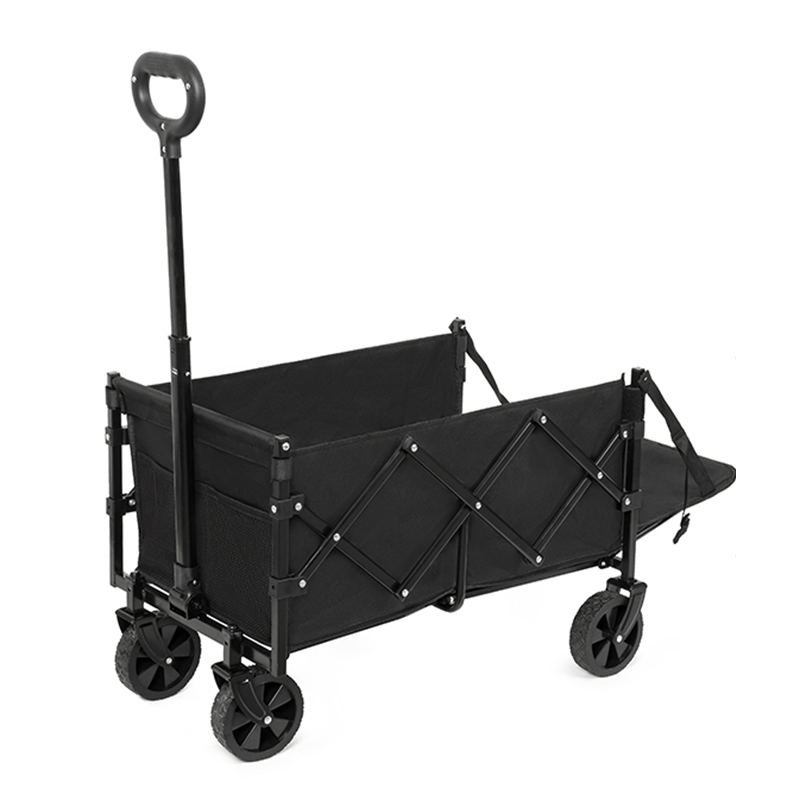
Balancing folding convenience with carrying ability is one of the core considerations in Outdoor Wagon Factory design work. A wagon needs to be compact enough when stored or transported, but still stable enough when it is in use under different outdoor conditions. These two expectations often influence each other during structural planning.
The folding mechanism is usually arranged in a way that reduces unnecessary steps, so users can set up or collapse the wagon without complex handling. At the same time, the frame has to remain firm once expanded, especially when the load is uneven or the ground is not flat. This balance is not achieved through a single part, but through coordination between joints, support bars, and base structure.
In many cases, designers also consider how repeated folding may affect long term stability. Reinforcement at stress points becomes part of the structure planning, allowing the wagon to keep its shape after multiple cycles of use. Within outdoor wagon production logic, folding design is not treated as a separate feature but as part of the overall structural system.
What Quality Factors Customers Check When Working With Outdoor Wagon Factory Partners
When buyers evaluate outdoor wagons, attention often goes beyond surface appearance and moves toward how the product behaves during practical use. Small details in assembly and finishing can influence how the product performs in daily handling situations.
Some of the common quality checkpoints include:
- Smooth movement of folding joints without stiffness or looseness
- Even stitching on fabric sections where load pressure is concentrated
- Stable wheel rotation when carrying uneven weight
- Surface treatment consistency on metal parts
- Handle comfort during pulling or pushing use
These points are usually reviewed together rather than individually, since outdoor usage tends to involve multiple stress factors at the same time. In Outdoor Wagon Factory production discussions, quality is often seen as a combination of structure, movement, and material interaction rather than a single measurement.
Where Outdoor Wagons Are Commonly Used in Outdoor Activities and Daily Transport
| Usage Setting | Typical Purpose | Transport Role |
|---|---|---|
| Camping areas | Carrying gear and supplies | Portable storage support |
| Beach spaces | Moving items over soft ground | Sand friendly transport |
| Garden work | Handling tools and materials | Short distance carrying |
| Outdoor events | Equipment movement | Flexible logistics aid |
| Residential use | Everyday carrying tasks | General utility movement |
How Outdoor Wagon Manufacturing Supports Custom Branding and OEM Development for Different Markets
Customization needs vary depending on how the product is positioned in different markets. In many cases, buyers require adjustments that go beyond structure and involve appearance, packaging, or identification elements.
Outdoor Wagon Factory development for OEM and branding usually involves several adaptable points, such as surface color selection, logo placement, packaging format, and sometimes minor structural adjustments based on target use. These changes are not about altering the core function but about aligning the product with different presentation requirements.
The development process can be seen as a sequence of coordinated steps:
- Initial structure confirmation based on usage type
- Adjustment of external design elements for brand alignment
- Sample review to check usability and appearance consistency
- Packaging arrangement for distribution needs
- Final production alignment before shipment
In practical supply chains, this type of flexibility helps different buyers position the same base product in their own way. Within this process, Wuyi Shanqiu Leisure Products Co., Ltd. is often referenced in connection with OEM cooperation arrangements, appearing naturally in discussions around production support and customization flow.