English
 日本語
日本語 عربى
عربى Español
 Deutsch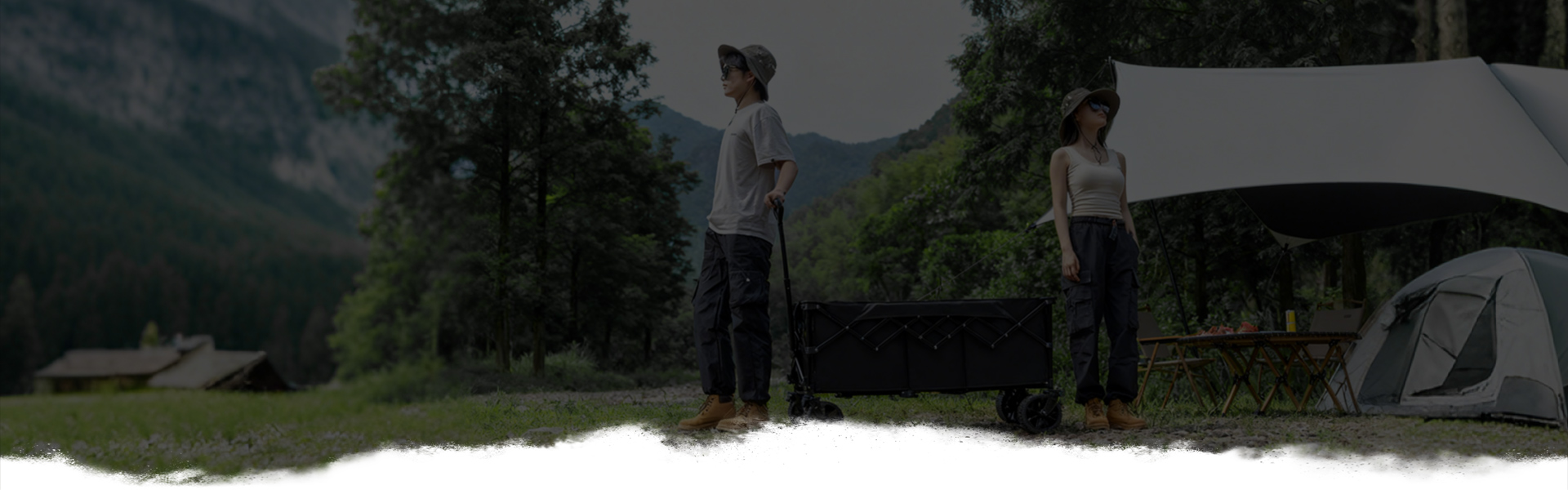
Content

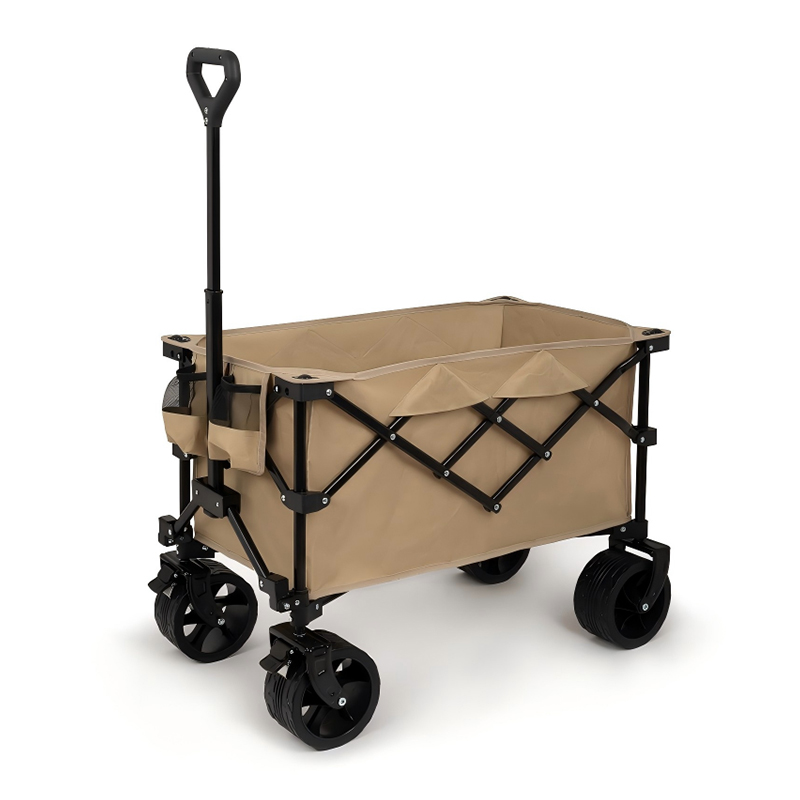
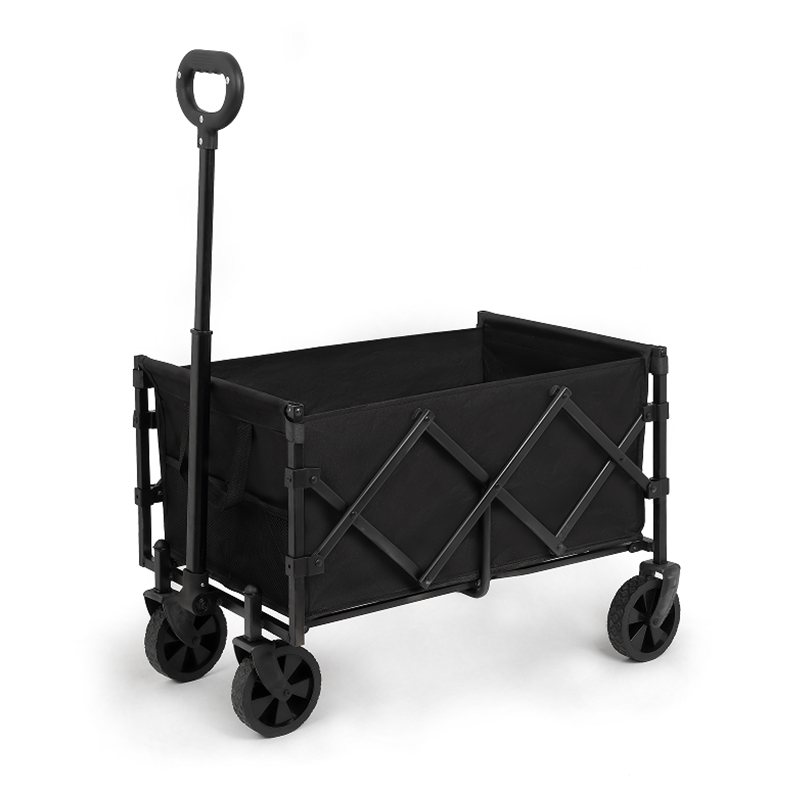
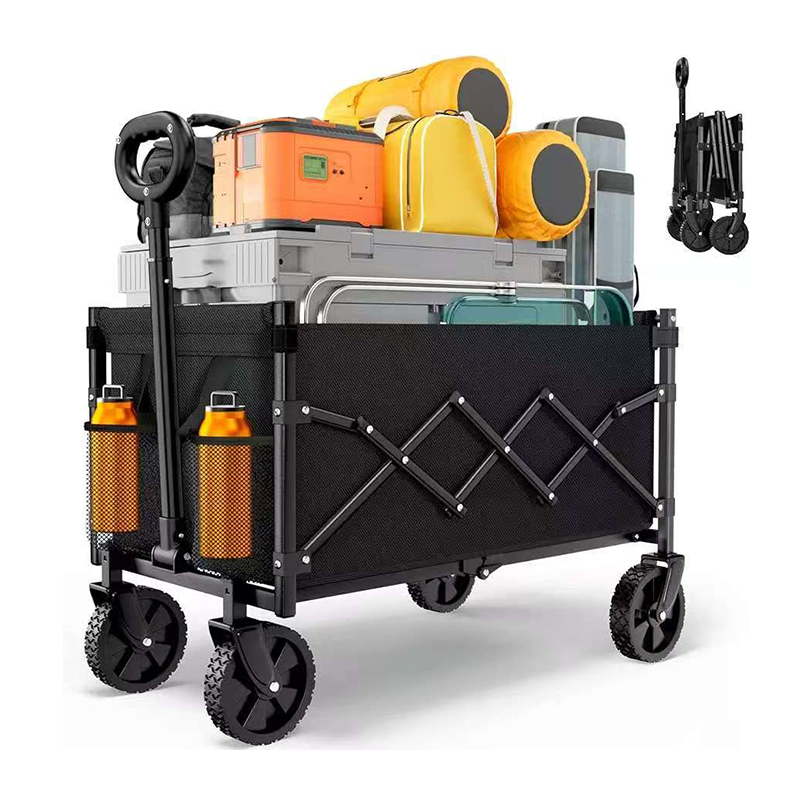
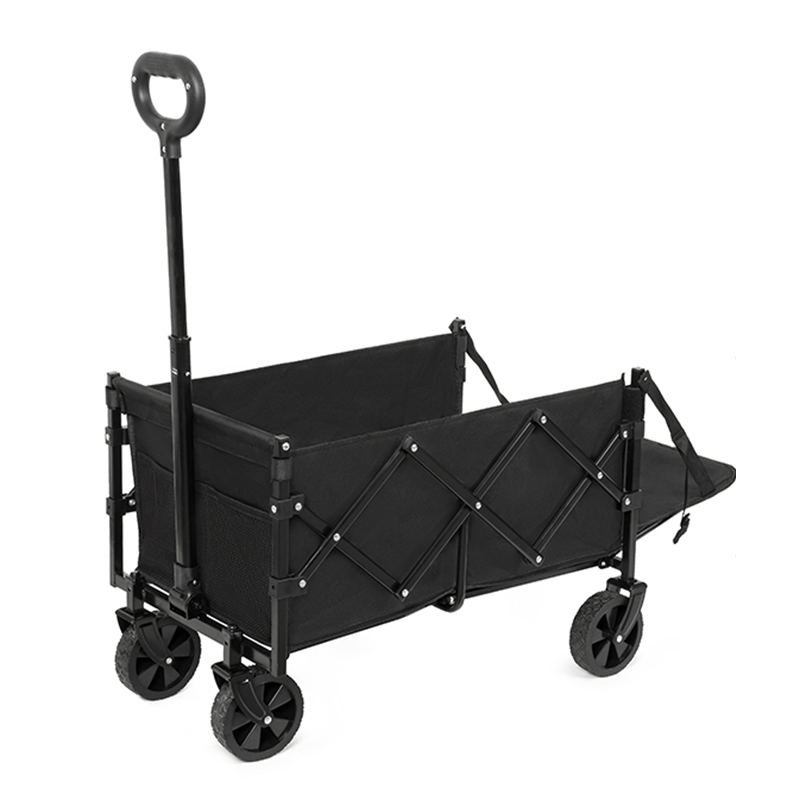
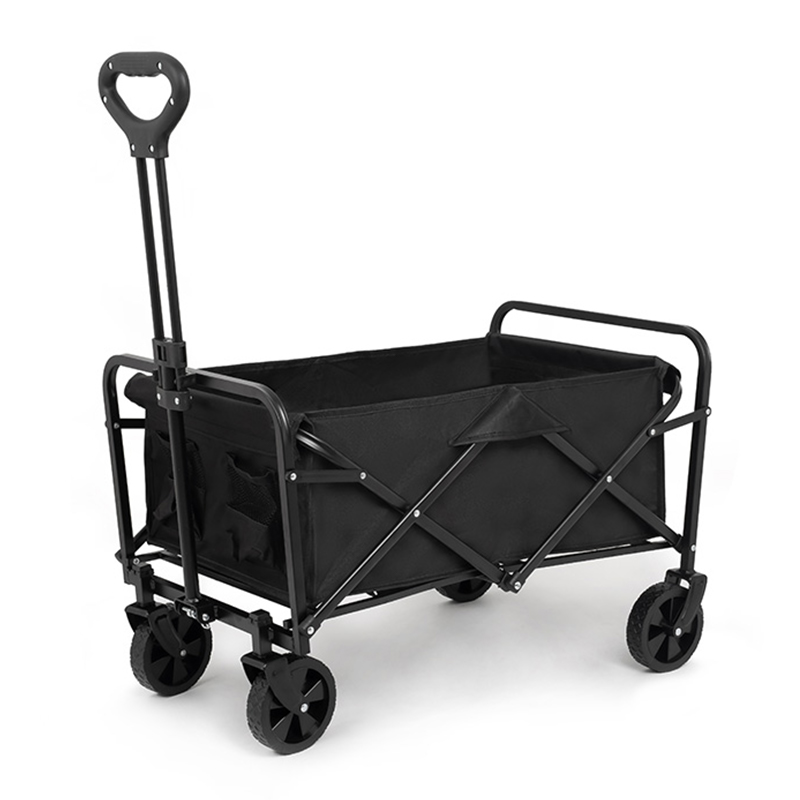
Outdoor activities often require convenient and reliable transport for equipment, groceries, or recreational items. A Portable Outdoor Wagon is designed to meet these needs while maintaining durability, ease of use, and mobility. From material selection to assembly, testing, and customization, manufacturers carefully design and produce these wagons to handle varied outdoor environments.
Material Selection and Frame Design
The strength and stability of a portable wagon start with high-quality materials. Frames are usually made from steel, aluminum, or reinforced alloys to provide sufficient load capacity while remaining lightweight. Fabric compartments often use durable polyester or canvas, resistant to wear, water, and UV exposure.
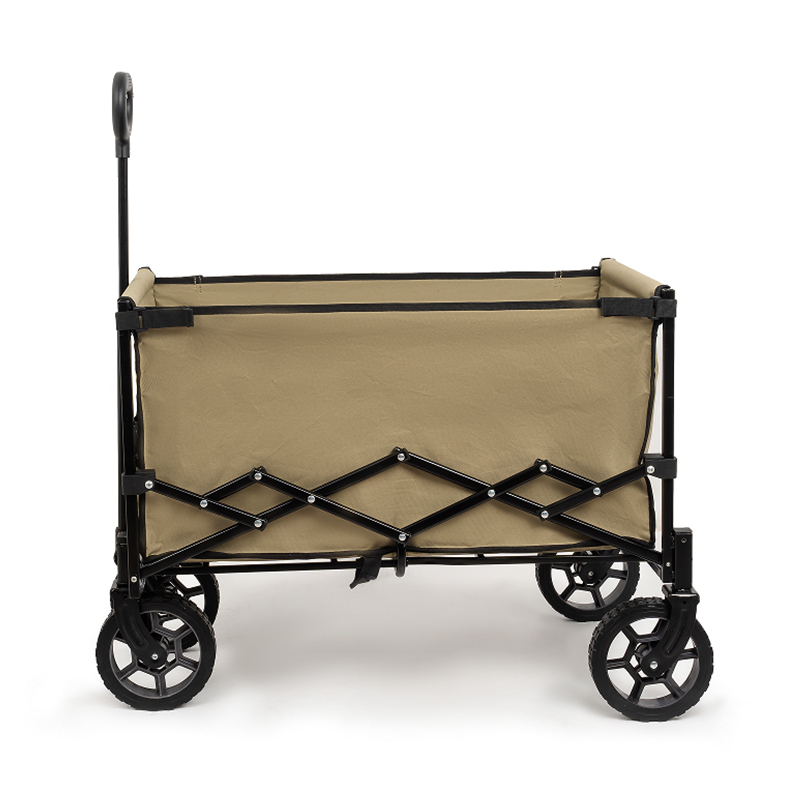
Manufacturers also focus on joint connections, weld quality, and folding mechanisms. A sturdy frame and smooth folding system are essential for durability and user convenience. The design must balance strength with portability, ensuring the wagon can carry gear while remaining easy to fold and store.
Wheel System and Terrain Adaptability
One of the key considerations for a Portable Outdoor Wagon is its wheel system. Large, rugged wheels improve stability and allow the wagon to traverse grass, sand, gravel, or uneven surfaces. Some designs feature all-terrain tires or pivoting front wheels for easier navigation.
Wheel attachment methods, bearings, and suspension elements are carefully tested during production to reduce wear and maintain smooth movement. Manufacturers also evaluate axle strength and load distribution to ensure that the wagon performs consistently even when fully loaded.
Production Workflow
The production of a portable outdoor wagon involves several stages. First, metal frames are cut, bent, and welded according to design specifications. Fabric components are cut, stitched, and attached with reinforced fasteners. Wheels, axles, and handles are assembled with precise alignment to maintain stability and movement efficiency.
Automated machines may handle repetitive cutting or welding tasks, while skilled technicians focus on inspection, assembly, and folding mechanism adjustments. Each wagon is documented during assembly, allowing traceability of components and assembly steps for quality assurance.
Quality Control and Testing
Quality testing is central to a Portable Outdoor Wagon manufacturer. Wagons undergo load tests, mobility checks, and stability assessments to ensure safe operation. Environmental testing, such as exposure to moisture, sunlight, and rough handling, is also conducted to confirm long-term durability.
Testing protocols may include repeated folding cycles, wheel rotation under load, and fabric tension checks. By simulating real-world conditions, manufacturers ensure that each wagon meets expected performance standards.
Customization and Client Requests
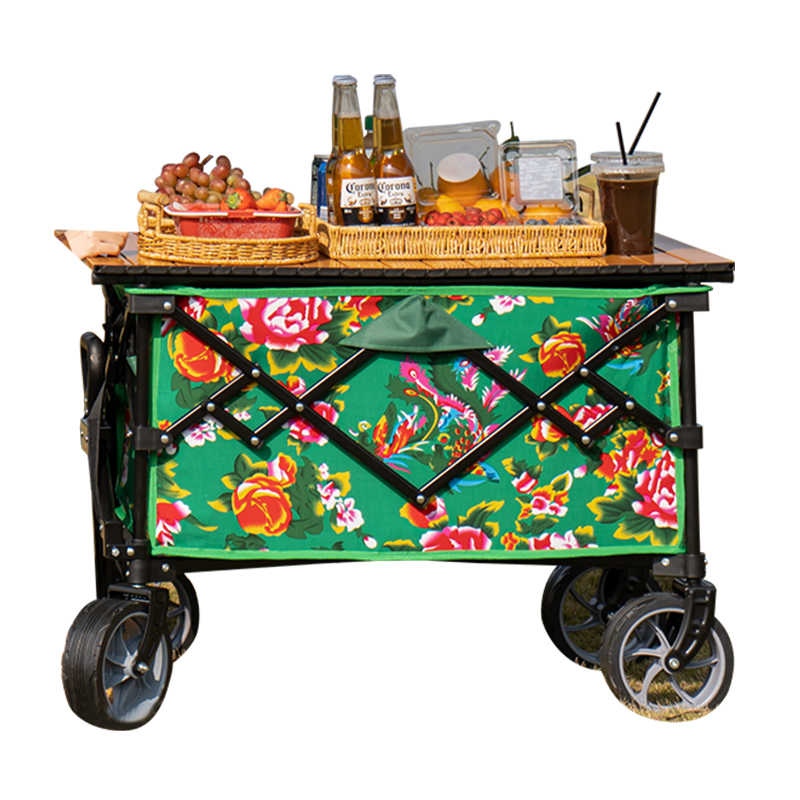
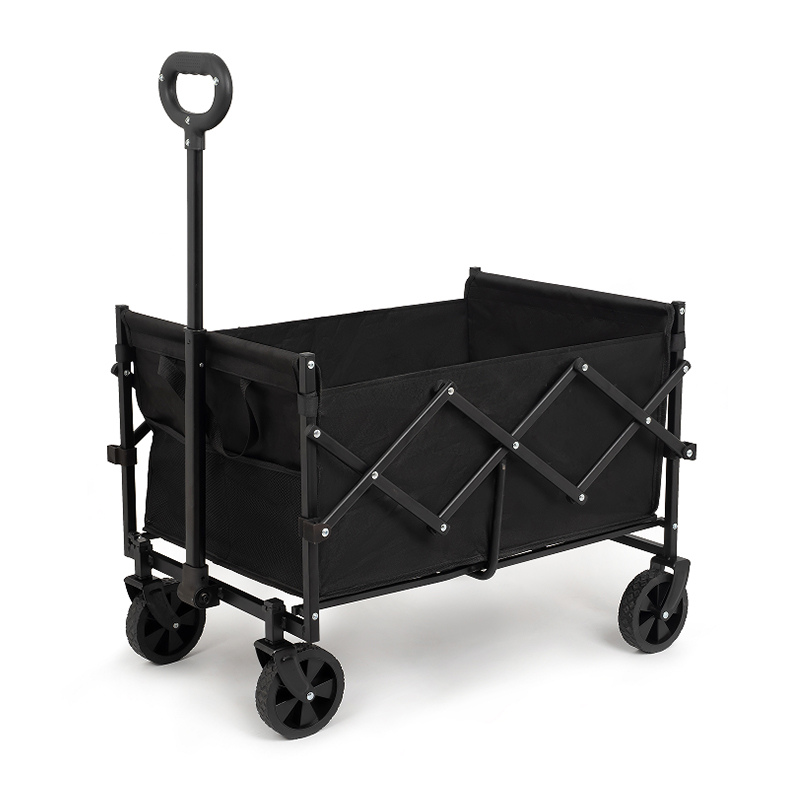
Clients often request wagons with specific dimensions, colors, or features such as cup holders, removable canopies, or storage pockets. A Portable Outdoor Wagon manufacturer can adjust frame size, fabric material, and wheel type to meet these requirements.
Custom solutions allow clients to cater to recreational users, professional outdoor services, or retail markets. Maintaining flexible production lines ensures that these variations are produced efficiently without compromising durability or safety.
Environmental and Safety Practices
Responsible manufacturers implement safety and environmental measures throughout production. Scrap metals and fabric remnants are recycled or properly disposed of. Workstations are designed to reduce injury risks, and employees use protective equipment during welding, cutting, and assembly. Energy-efficient machines and dust collection systems help reduce environmental impact while maintaining product quality.
From a manufacturer's perspective, a Portable Outdoor Wagon combines thoughtful material selection, careful assembly, rigorous testing, and customizable design. These wagons provide reliable outdoor transport solutions, suitable for a wide range of terrains and uses. By emphasizing quality control, durability, and flexible production, manufacturers ensure that users receive a product capable of meeting both everyday and specialized outdoor requirements. Choosing a manufacturer with a structured production process ensures consistent performance and safe operation across multiple environments.