English
 日本語
日本語 عربى
عربى Español
 Deutsch
Content
- 1 How a Camping Lifting Wagon Makes Beach Camping and Heavy Gear Transport Feel Easier
- 2 What Makes a Camping Lifting Wagon More Useful on Sand Grass and Gravel Roads
- 3 Why Adjustable Height Design Is Becoming Popular in Camping Lifting Wagon Products
- 4 Which Camping Gear Fits More Smoothly Inside a Camping Lifting Wagon
- 5 How a Camping Lifting Wagon Helps Reduce Repeated Trips Between Car and Campsite
- 6 What Campers Usually Notice After Switching to a Camping Lifting Wagon
- 7 How a Camping Lifting Wagon Can Become a Mobile Outdoor Cooking Station
- 8 Why Family Camping Setups Often Rely on a Camping Lifting Wagon for Organization
Camping trips tend to start with a simple plan, but the amount of gear usually changes that plan quickly. Bags multiply, containers stack up, and moving everything from a vehicle to a campsite becomes a repeated process.
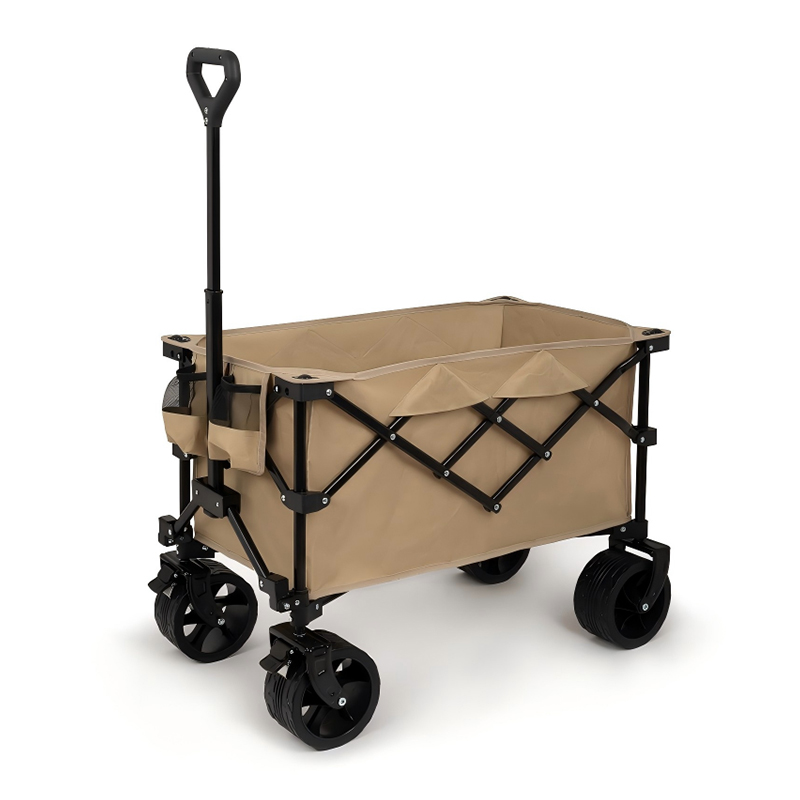
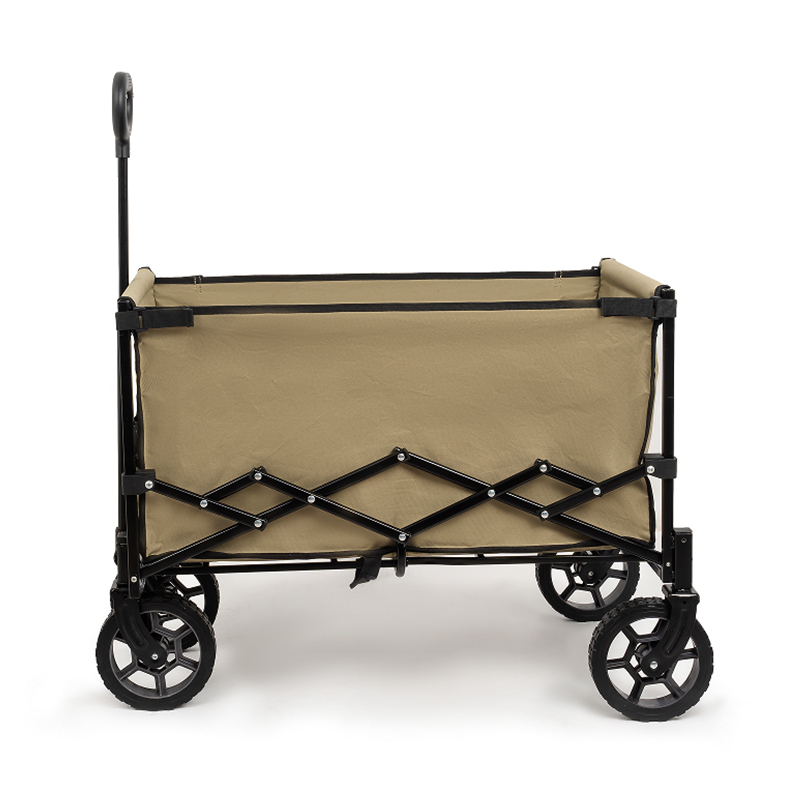
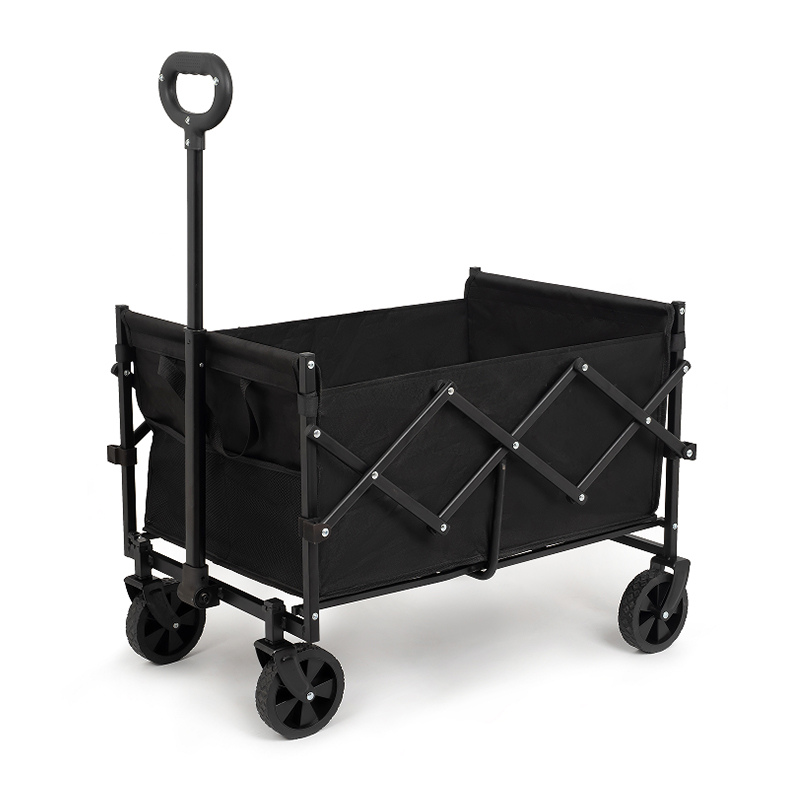
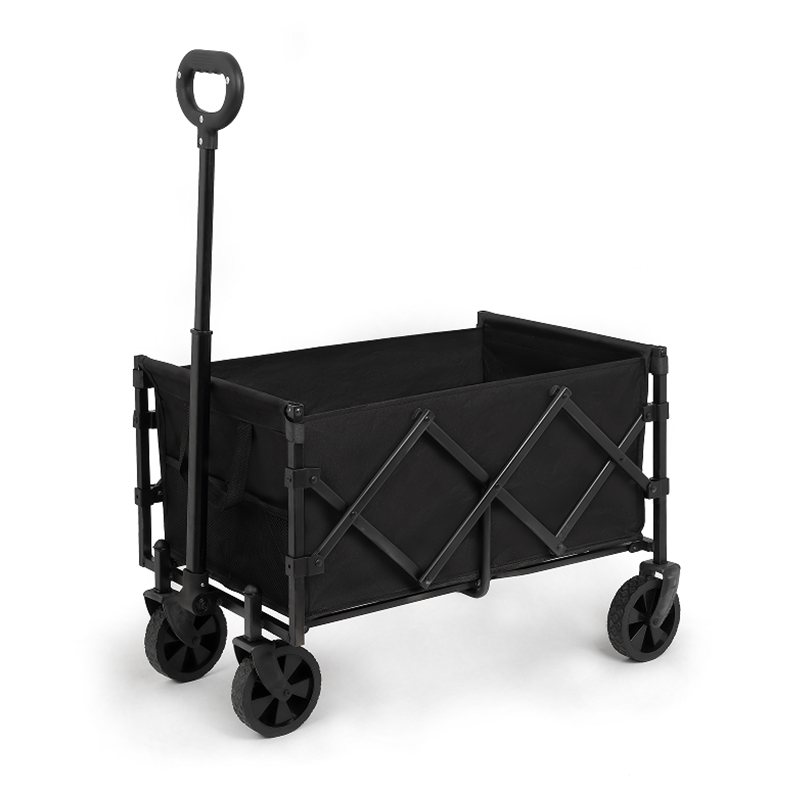
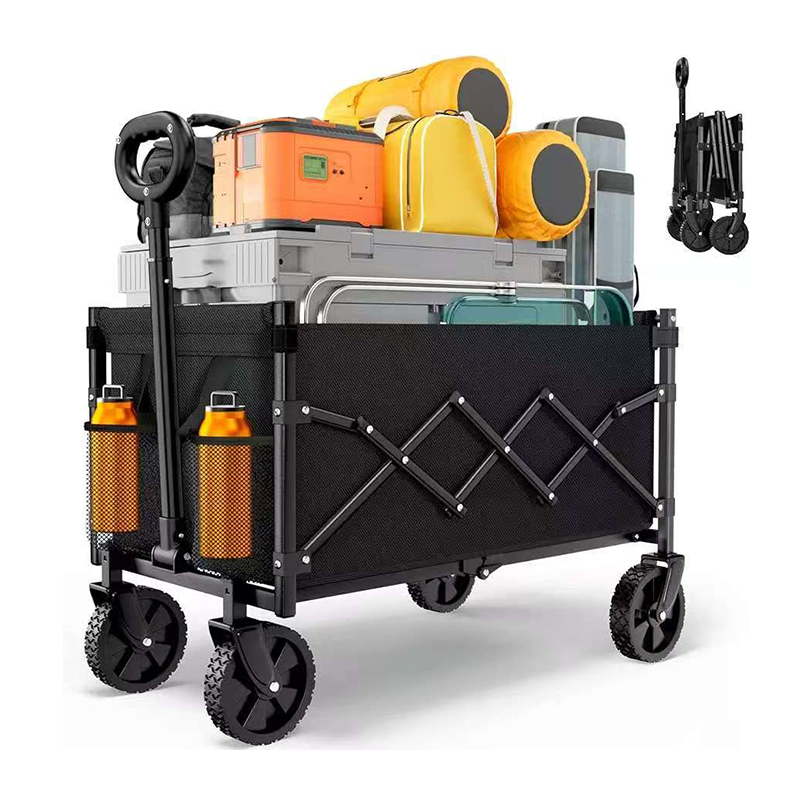
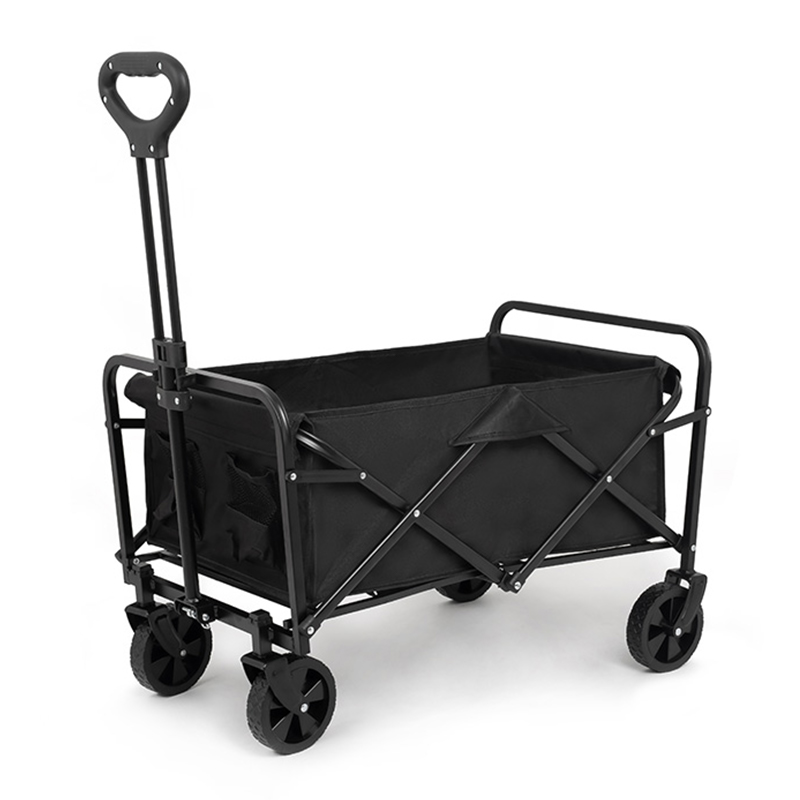
A Camping Lifting Wagon appears in this context as a way to group movement rather than change what is carried. Instead of going back and forth, items are gathered into one load. The change is less about convenience and more about reducing repetition in setup behavior.
Some users notice that the real difference is not during travel itself, but in the transition phase between arrival and settling in. That short period feels less fragmented.
How a Camping Lifting Wagon Makes Beach Camping and Heavy Gear Transport Feel Easier
Beach terrain behaves differently from solid ground. Even a small load can feel heavier when the surface shifts under movement. Sand tends to react to pressure rather than support it.
With a Camping Lifting Wagon, the motion feels more continuous, although not necessarily lighter. The wheels still meet resistance, but the load does not break into smaller carrying steps.
A few situations where this becomes noticeable:
- Walking from parking area toward open sand spaces
- Carrying mixed equipment such as cooling storage and folded fabric items
- Moving items that are awkward to balance by hand
There is also a subtle difference in how direction changes happen. On sand, adjustments become more frequent, but with a stable load distribution, those adjustments feel less abrupt.
What Makes a Camping Lifting Wagon More Useful on Sand Grass and Gravel Roads
Different ground surfaces do not just change difficulty, they change movement rhythm.
Sand slows forward motion in a soft way. Grass creates uneven contact points. Gravel introduces small repeated impacts that travel through the frame.
| Ground type | Movement behavior | What users often feel |
|---|---|---|
| Sand | gradual resistance | sinking effect under load |
| Grass | uneven rolling | slight directional correction |
| Gravel | repeated vibration | constant small feedback through handle |
In practice, the wagon does not remove these effects. It only keeps them from becoming interruptions. Movement continues even when the surface changes under the wheels.
Why Adjustable Height Design Is Becoming Popular in Camping Lifting Wagon Products
Height flexibility changes how the wagon is used during setup. Instead of staying in one position, it shifts depending on what stage of camping is happening.
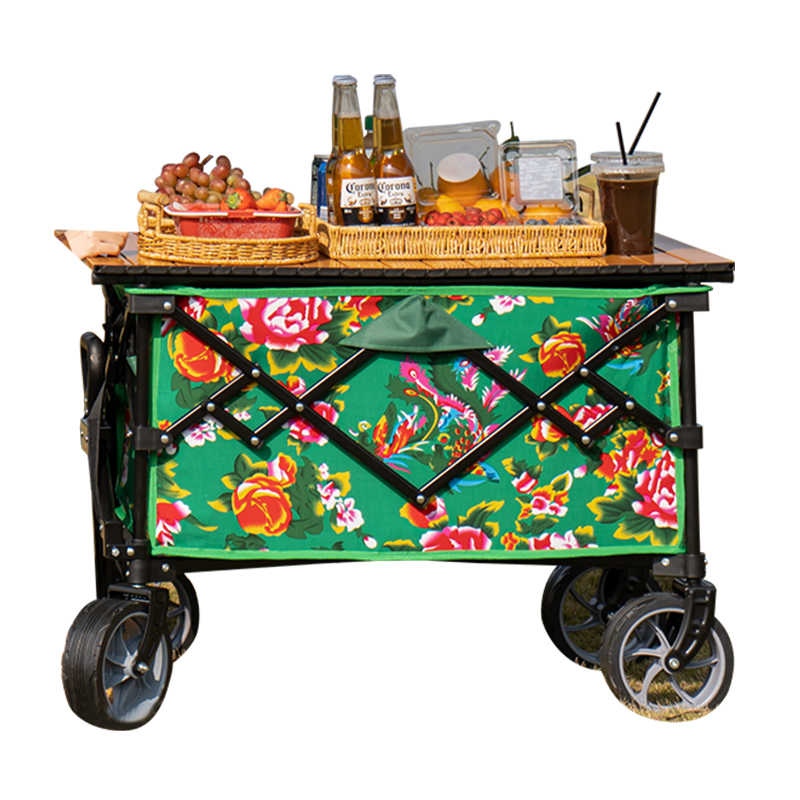
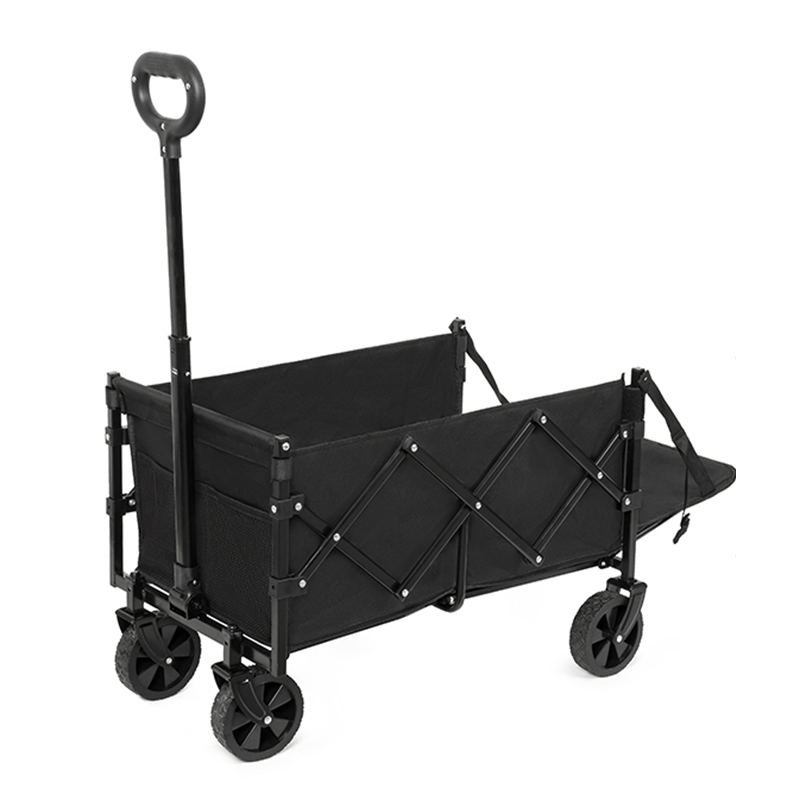
At lower height, it behaves more like a transport tool. At higher position, it starts to feel closer to a temporary working surface.
This shift affects small daily actions:
- Items are placed without deep bending
- Access to stored gear becomes more direct
- Temporary preparation space appears without extra furniture
In some setups, the same structure quietly replaces multiple separate surfaces.
Which Camping Gear Fits More Smoothly Inside a Camping Lifting Wagon
Packing behavior changes depending on item shape rather than category.
Rigid containers tend to define structure first. Soft bags then fill the remaining gaps. Once this pattern is formed, loading becomes less random.
A typical arrangement often looks like this:
- Bottom area used for stable boxes
- Middle space filled with cooking or utility tools
- Upper layer reserved for lighter or frequently used items
The interesting part is not capacity, but how little adjustment is needed once items settle into place. Movement does not disturb the layout as much as expected, as long as heavier objects are kept centered.
How a Camping Lifting Wagon Helps Reduce Repeated Trips Between Car and Campsite
At most campsites, movement does not happen in a single flow. It usually becomes a chain of short walks, each carrying part of the load. Bags first, then cooking items, then smaller pieces that were easy to forget in the first round.
A Camping Lifting Wagon changes this pattern mainly by grouping items into one transport cycle. It does not remove effort, but it changes how often the effort repeats. The difference is more noticeable when the distance between parking and setup area is not short.
In practice, the loading process tends to become more structured without being planned in detail. Items are placed once, then moved together, instead of being divided into several hand trips that interrupt setup rhythm.
Some users also adjust how they pack, not because of capacity, but because they want fewer returns to the vehicle. That small behavioral change often matters more than the wagon itself.
What Campers Usually Notice After Switching to a Camping Lifting Wagon
The shift in use is not always immediate. At first, it feels like a simple transport tool. After a few uses, attention moves to how setup timing changes.
One common observation is that the early setup phase feels less fragmented. Instead of stopping frequently to retrieve forgotten items, more of the gear arrives in a single movement.
There is also a change in how weight is perceived. It is not that items become lighter, but that they are handled less often. That alone changes the physical rhythm of the trip.
A few subtle changes often mentioned:
- Less interruption during initial campsite arrangement
- Fewer return trips for small forgotten items
- Smoother transition from arrival to active setup
The effect is more about sequence than effort.
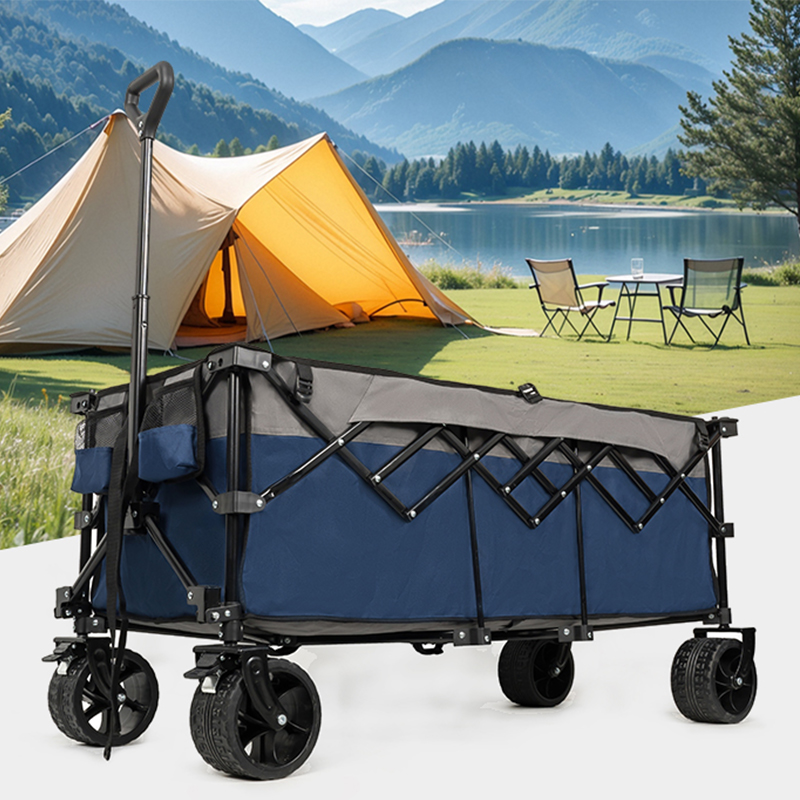
How a Camping Lifting Wagon Can Become a Mobile Outdoor Cooking Station
Once gear is at the campsite, the same structure often stays in use instead of being parked aside. In some setups, it becomes part of the cooking area simply because it is already positioned at a workable height.
The flat surface created after lifting allows partial organization of cooking tools. It is not a full kitchen space, but it can hold preparation items that would otherwise be placed on the ground or scattered across multiple surfaces.
A typical use pattern looks like this:
- Ingredients placed on upper level for quick access
- Cooking tools grouped near one side
- Storage containers kept underneath or lower position
- Temporary resting space for utensils during preparation
The wagon remains mobile, so adjustments happen naturally during cooking flow rather than requiring a fixed station.
Why Family Camping Setups Often Rely on a Camping Lifting Wagon for Organization
Family camping introduces more varied items at once. Instead of one type of gear, there are mixed categories that serve different needs at different times.
Organization becomes less about storage and more about separation by use timing. Items needed early are placed differently from those used later in the day.
In many cases, a Camping Lifting Wagon becomes a shared coordination point rather than just transport equipment. It helps group items that would otherwise be spread across multiple bags.
Common organization pattern in family setups
| Item group | Typical placement | Reason for placement |
|---|---|---|
| Cooking gear | middle level | frequent access during use |
| Seating items | base area | stable weight placement |
| Personal bags | upper or side area | quick retrieval |
| Small tools | compartment corners | prevent loss during movement |
The structure reduces the need to search across multiple storage points once camp activity begins.
At the product development level, different design approaches often focus on balancing mobility and stability under varied campsite conditions. Some of these considerations are reflected in production lines handled by Wuyi Shanqiu Leisure Products Co., Ltd., where emphasis is placed on adapting structural design to outdoor usage rather than adding unnecessary complexity.