English
 日本語
日本語 عربى
عربى Español
 Deutsch
Content
Outdoor recreation has changed over time as more people take interest in camping, hiking, beach trips, and weekend travel. Along with this trend, the need for portable transport tools has increased. Carrying tents, food supplies, water containers, and cooking equipment often requires more than simple backpacks. In this space, a Camping Cart Factory plays a role in producing wheeled carts designed for outdoor mobility.
Instead of relying only on hand-carry methods, campers now use foldable carts to move gear across different terrains.
Why Camping Transport Solutions Matter
Camping trips often involve carrying multiple items from parking areas to campsites. These distances may not be long, but uneven terrain and repeated trips can make transportation inconvenient.
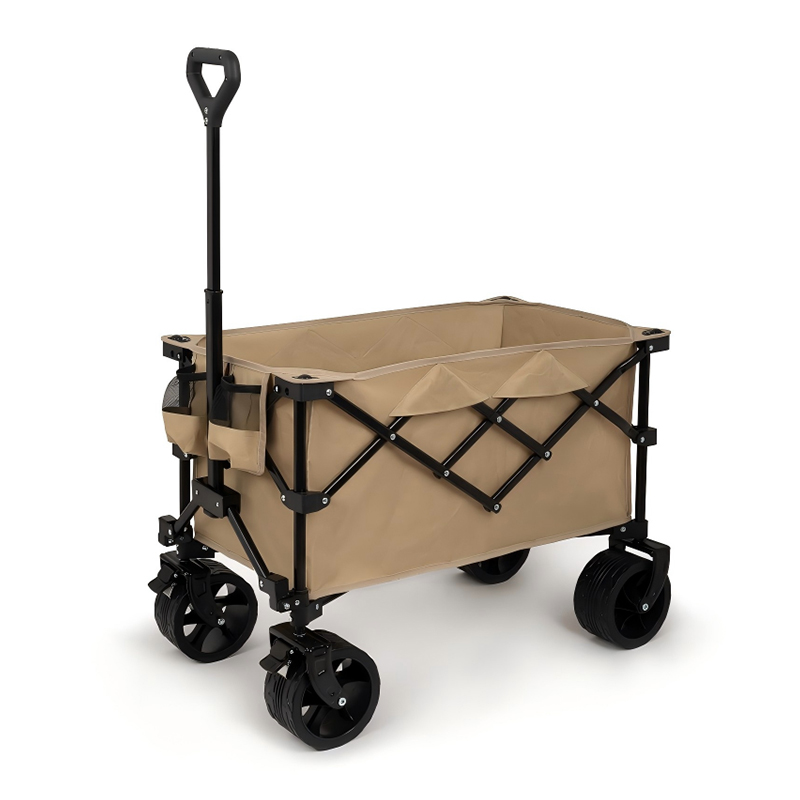
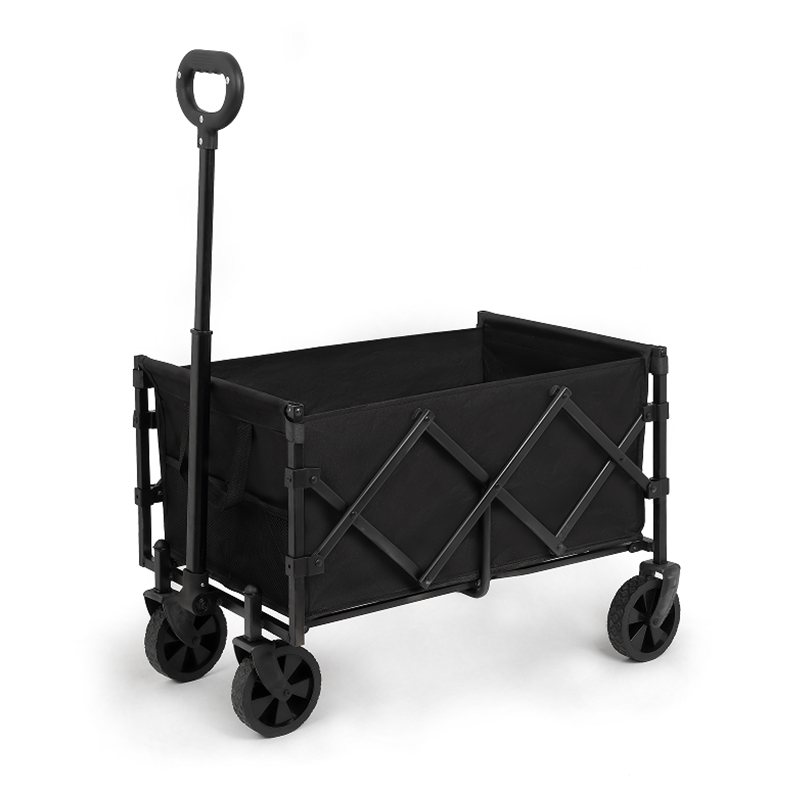
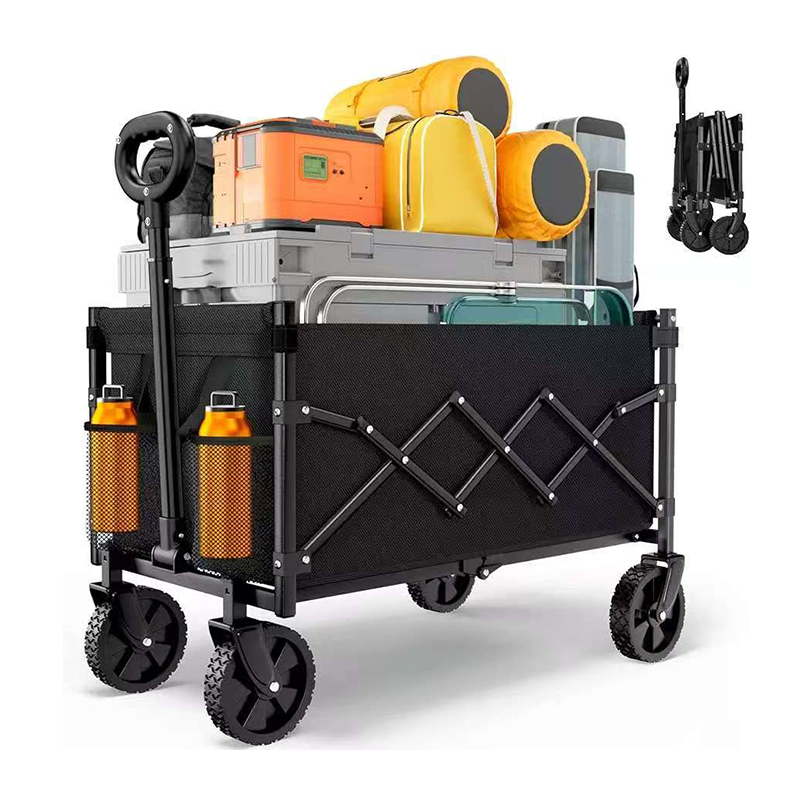
A Camping Cart Factory produces foldable and portable carts designed to reduce manual carrying effort. These carts are commonly used for:
- Family camping trips
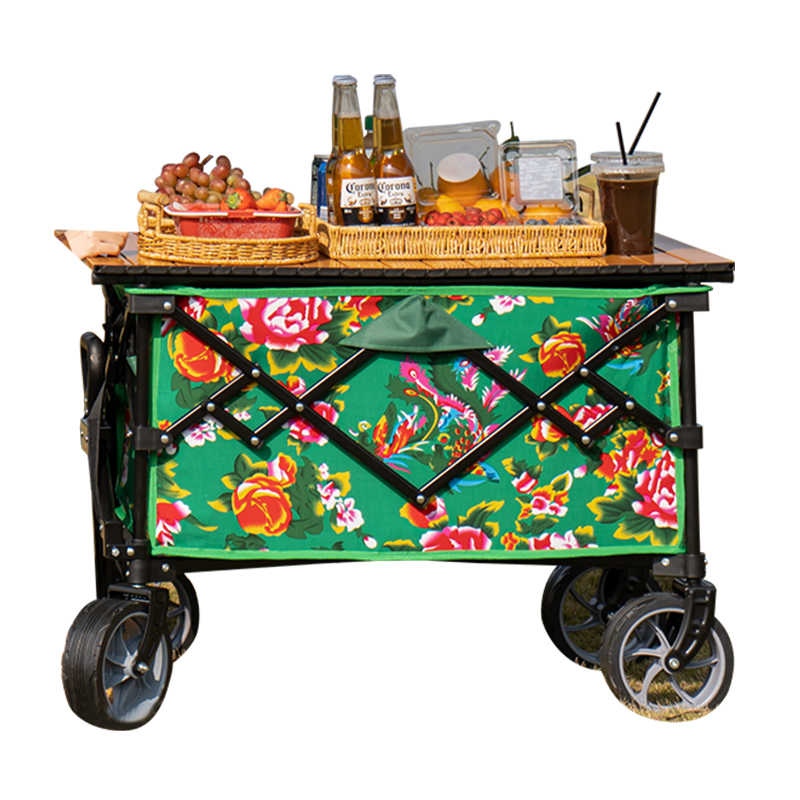
- Beach outings with gear and coolers
- Fishing equipment transport
- Festival and outdoor event setup
- Picnic and park visits
Different environments require different wheel structures and frame strength.
Design Features in Camping Carts
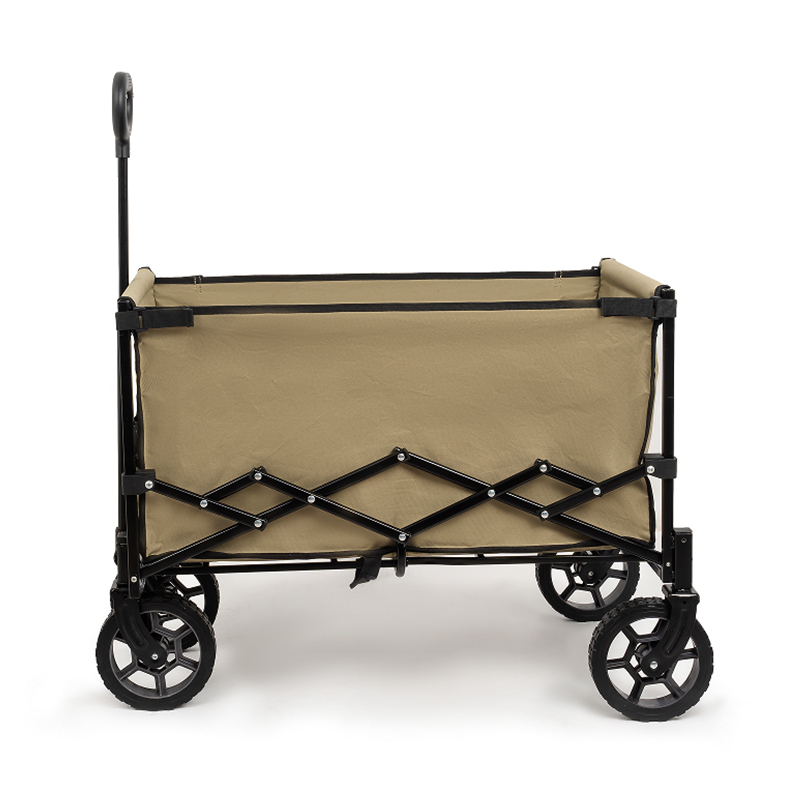
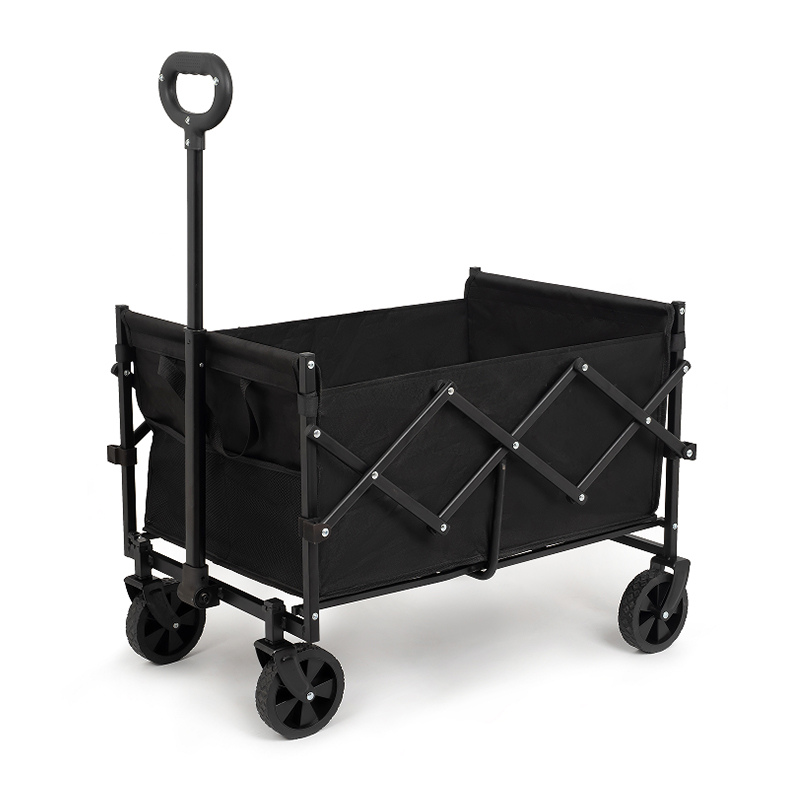
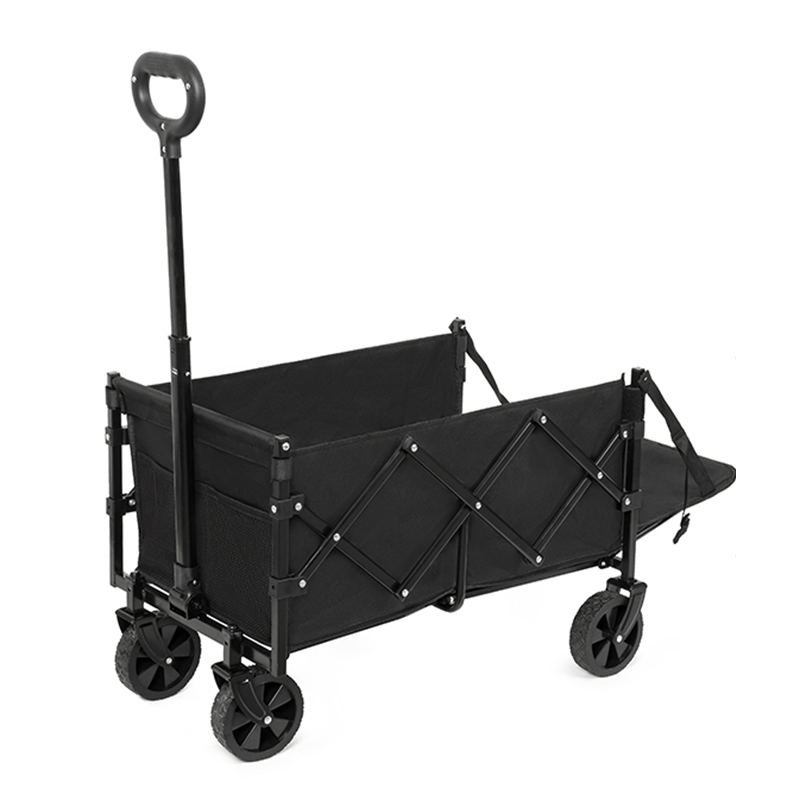
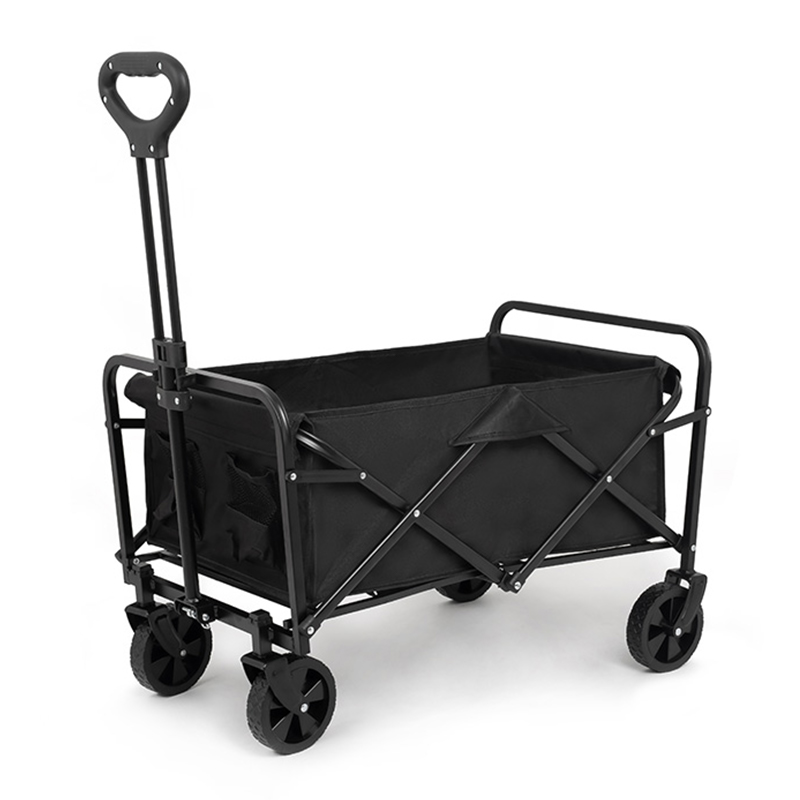
Outdoor carts are designed with portability and folding convenience in mind. A Camping Cart Factory typically focuses on structural design that allows carts to fold into compact shapes for storage in car trunks or home spaces.
Common design elements include:
- Foldable steel or aluminum frames
- All-terrain wheels for gravel or sand
- Extendable handles for pulling comfort
- Fabric or metal storage compartments
- Brake systems for slope control
These features help users move gear with less effort during outdoor activities.
Role of Manufacturing in Outdoor Gear Production
A Camping Cart Factory usually works with metal fabrication, fabric assembly, and wheel system integration. Production processes are designed to ensure that carts remain stable under load while still being easy to fold and carry.
Typical manufacturing steps include:
- Frame cutting and welding
- Surface coating for rust resistance
- Wheel assembly and alignment
- Fabric attachment or container installation
- Load testing and folding mechanism checks
Each stage contributes to the usability of the final product in outdoor environments.
Terrain Adaptability and Outdoor Use
Camping locations vary widely, from grassy parks to sandy beaches and rocky trails. Cart performance depends heavily on wheel design and frame stability.
A Camping Cart Factory often produces different models based on terrain compatibility. Larger wheels are commonly used for uneven ground, while compact wheels may be used for paved surfaces or urban camping settings.
This variety allows users to select carts based on specific travel plans rather than using a single design for all situations.
Storage and Portability Considerations
One of the key advantages of camping carts is their foldable structure. After use, carts can be stored in small spaces without taking up much room.
A Camping Cart Factory designs folding systems that allow frames to collapse quickly while maintaining structural stability during use. This is important for users who travel by car or have limited storage space at home.
Lightweight materials are often selected to balance portability and load capacity.
Use in Family and Group Activities
Camping is often a group activity involving multiple people and shared equipment. Carts help distribute carrying tasks and reduce repeated trips between vehicles and campsites.
A Camping Cart Factory supports this usage by producing larger-capacity carts that can carry multiple items at once, such as coolers, tents, and chairs.
This makes setup and packing more organized during outdoor trips.
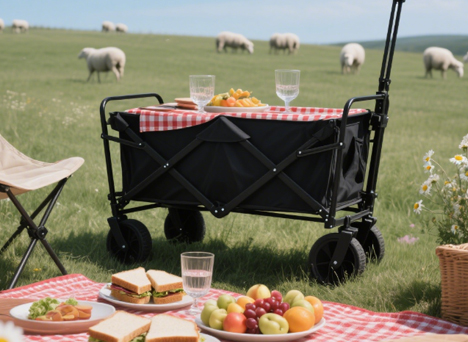
Outdoor travel continues to grow as a lifestyle activity, and equipment design is adapting to support convenience and mobility. The Camping Cart Factory plays a practical role in this process by producing foldable transport carts designed for camping, beach trips, and recreational use.
As outdoor activities expand across different environments, portable gear systems remain an important part of how people move and organize equipment during travel and leisure experiences.