English
 日本語
日本語 عربى
عربى Español
 Deutsch
Content
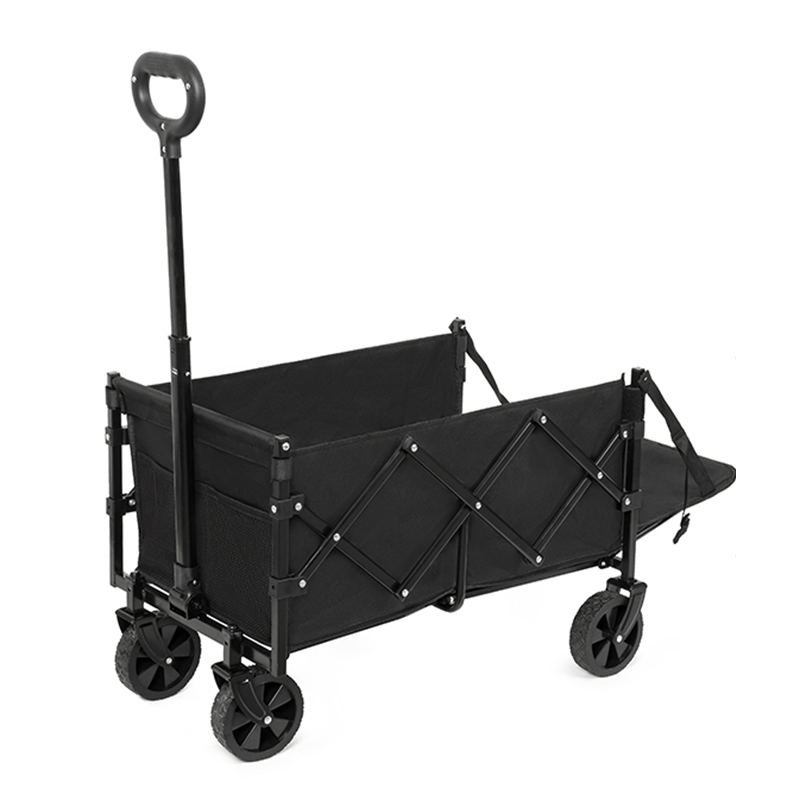
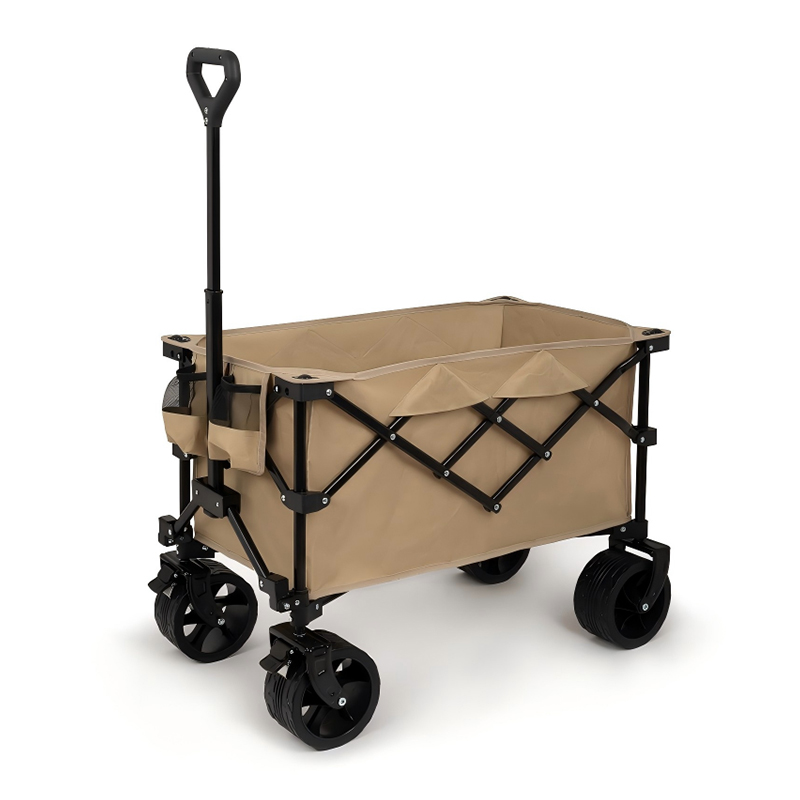
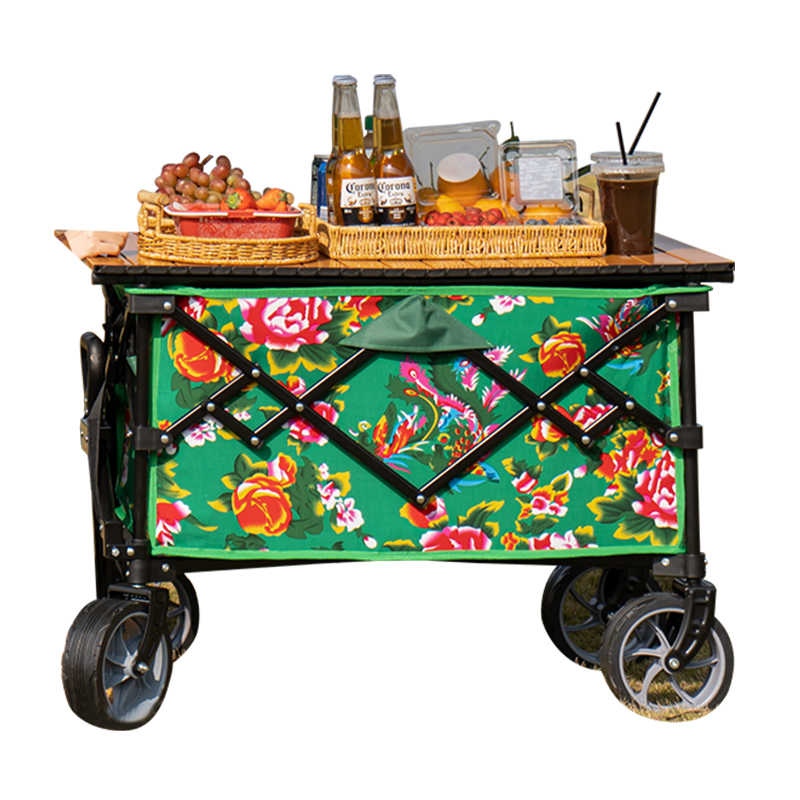
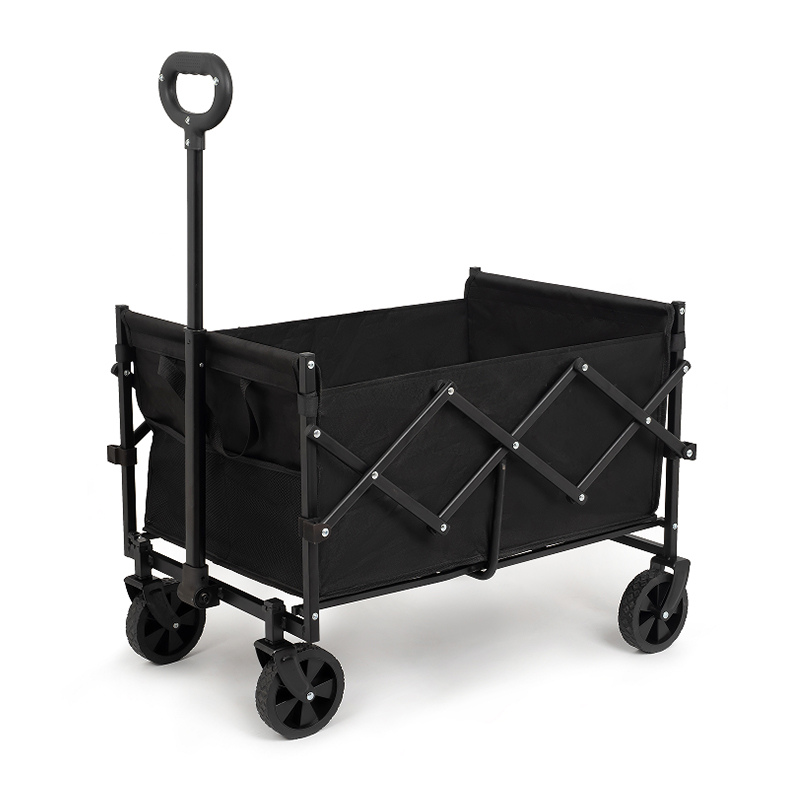
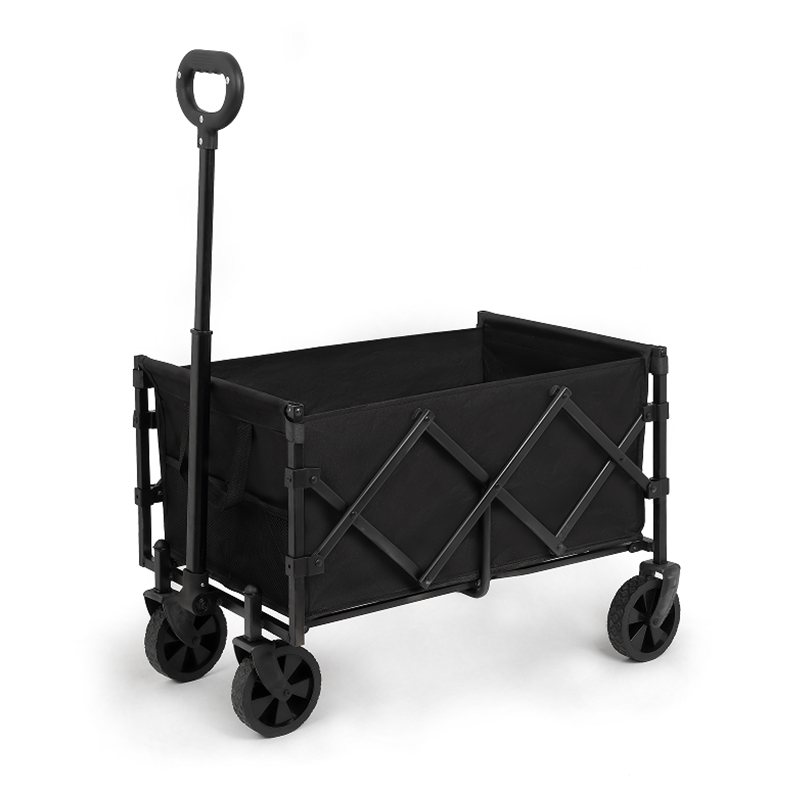
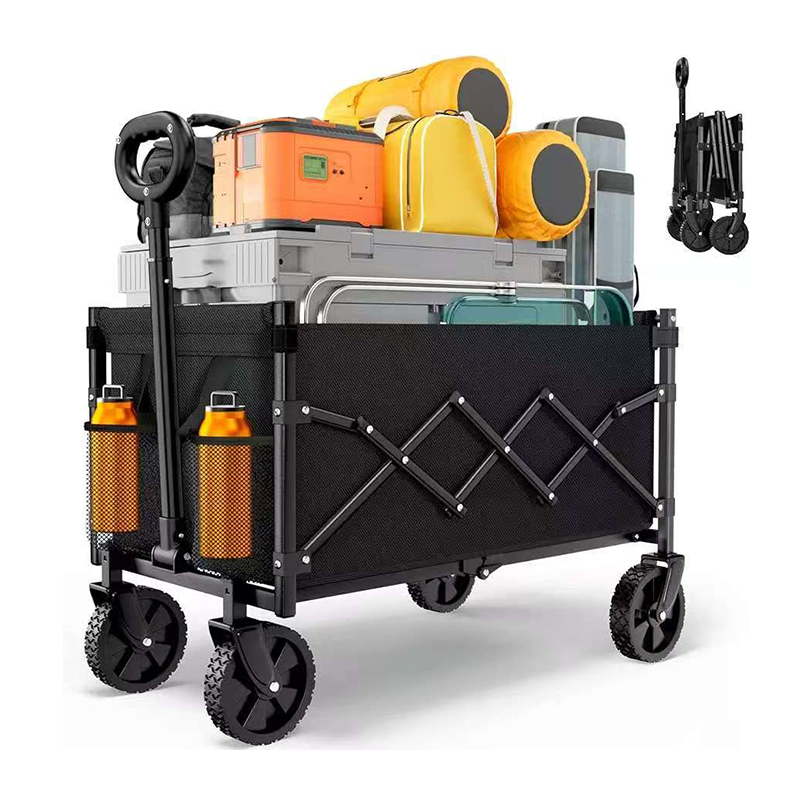
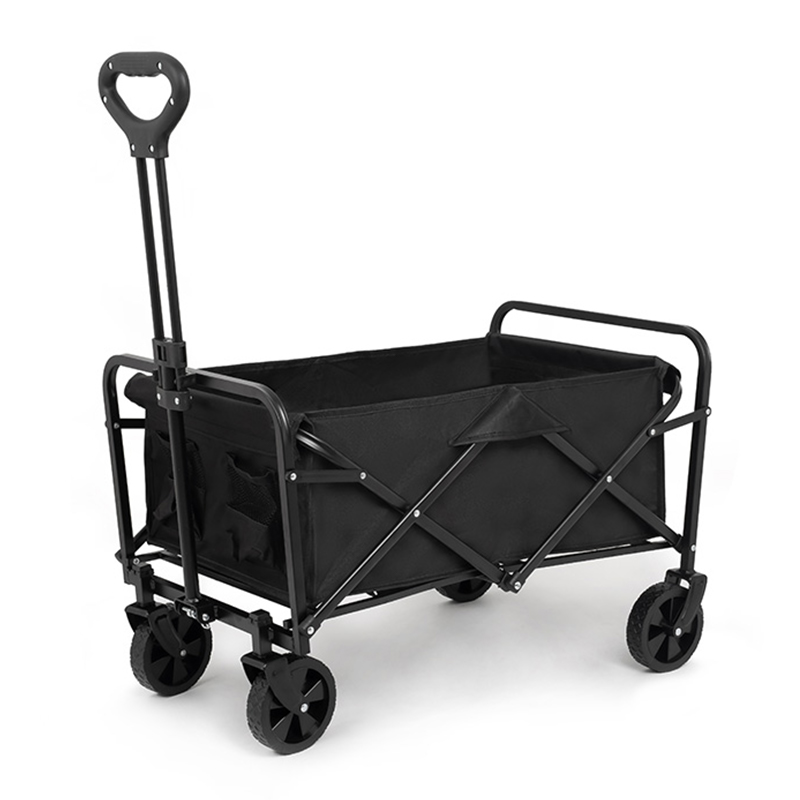
Extended wagons are versatile tools for transporting goods, camping equipment, or garden supplies. From a manufacturer's perspective, producing a reliable Extended Wagon involves careful material selection, structural design, assembly precision, and quality control. Each step ensures the final product is durable, functional, and safe for daily use.
Material Selection
The backbone of an extended wagon is its frame and platform. Manufacturers often choose steel or aluminum alloys for strength and corrosion resistance. Steel provides robustness for heavy loads, while aluminum reduces overall weight without compromising durability. For the wheels, polyurethane or rubber is selected to ensure smooth movement and resistance to wear. Fasteners, joints, and hinges are also chosen with attention to mechanical stability. Some factories conduct chemical and mechanical tests on raw materials to ensure uniformity and long-term performance. Proper material selection guarantees that each Extended Wagon can handle intended loads safely and maintain structural integrity over time.
Frame Design and Engineering
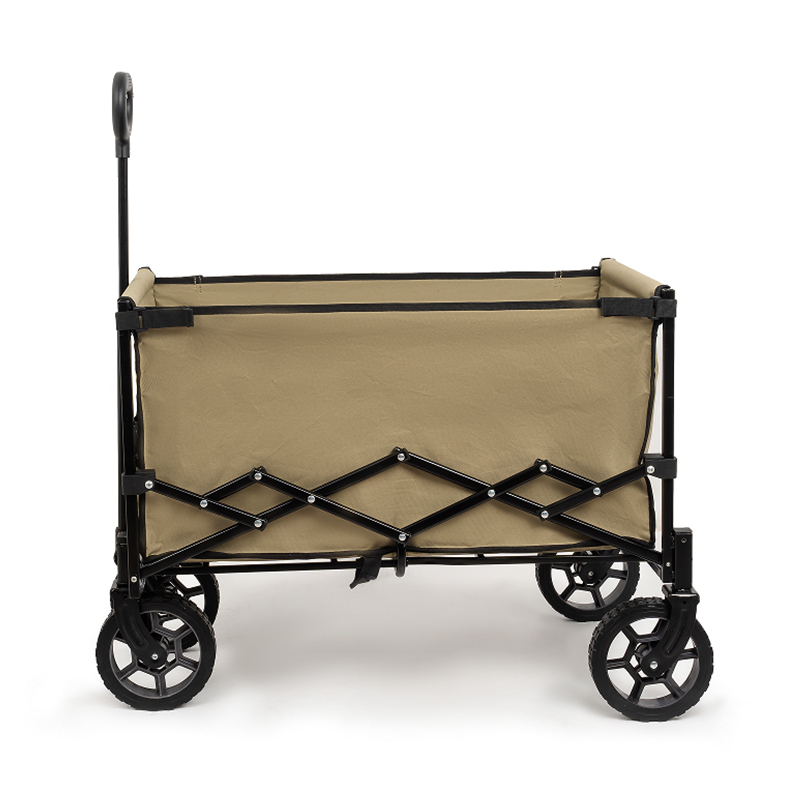
Designing the frame requires understanding load distribution, folding mechanisms, and user ergonomics. Engineers use CAD software to simulate stress points and optimize the frame geometry. Folding or extendable mechanisms are incorporated to allow compact storage while maintaining rigidity during use. Load-bearing joints and hinges are evaluated under repeated stress conditions to ensure longevity. Manufacturers carefully balance mobility and stability, ensuring that each Extended Wagon remains reliable whether fully extended or folded.
Assembly Techniques
The assembly process combines precision welding, riveting, or bolting of frame components. For foldable sections, hinges are carefully aligned and tested for smooth operation. Wheel assemblies are installed with attention to alignment and rotation resistance. Protective coatings or paints are applied to prevent rust and improve longevity. Some factories include vibration tests to simulate real-world usage. Each Extended Wagon undergoes inspection to verify that all moving parts operate correctly and that load-bearing joints are secure.
Quality Control
Quality control is central to manufacturing extended wagons. Manufacturers perform load testing to ensure the wagon supports the recommended weight without bending or collapsing. Wheels are tested over various surfaces to confirm smooth movement. Hinges and locking mechanisms are checked repeatedly to ensure durability over time. Environmental tests, including moisture and corrosion exposure, may also be performed. This thorough testing ensures that every Extended Wagon leaving the factory meets safety and reliability standards.
Packaging and Distribution
After inspection, wagons are partially disassembled or folded for packaging to minimize shipping volume and prevent damage. Packaging materials protect against scratches and environmental factors during transport. Labels, user instructions, and warranty information are included for consumer use. Proper packaging ensures that each Extended Wagon reaches customers ready for immediate use and maintains its quality during transit.
From a manufacturing standpoint, producing an Extended Wagon requires attention to materials, design, assembly, testing, and packaging. Each stage, from frame engineering to final shipment, is carefully monitored to ensure durability, functionality, and user safety. By maintaining structured production processes, manufacturers deliver extended wagons that serve a variety of purposes reliably, whether for home, garden, or outdoor activities. Understanding these manufacturing practices highlights the combination of engineering expertise, careful craftsmanship, and rigorous testing that goes into every wagon.