English
 日本語
日本語 عربى
عربى Español
 Deutsch
Content
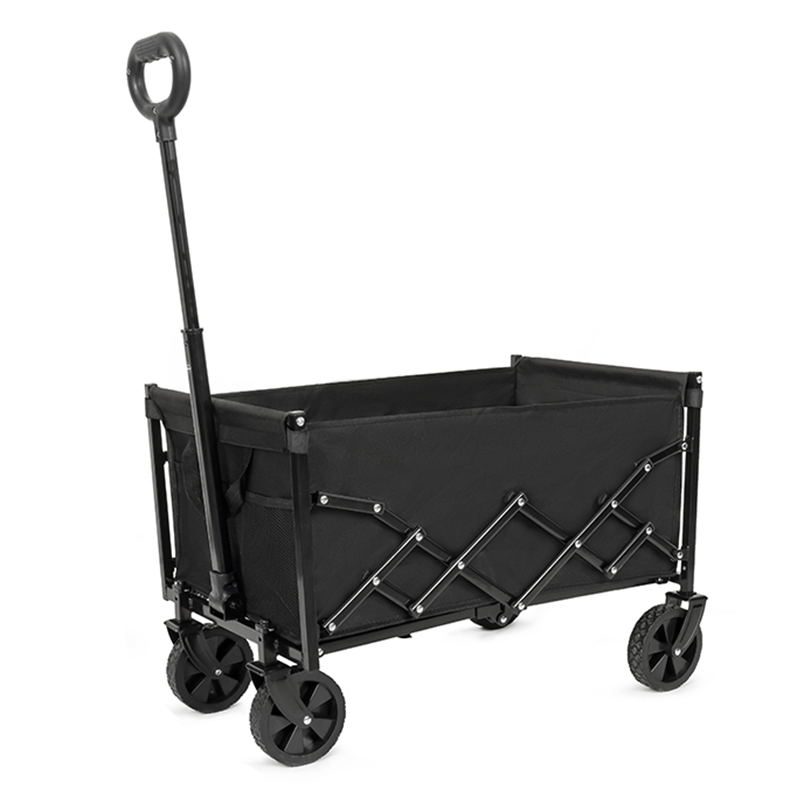
Walk through any warehouse, stockroom, or retail back aisle. Someone is pulling a small cart—stacked with boxes, parts, or product. When they stop, the cart stops too. No rolling away. No bumping into shelves. That's the brake wheels at work. Behind every wagon that stays put when you let go stands a small wagon with brake wheels factory, a shop that assembles the carts, casters, and braking mechanisms that make moving loads safe and controlled.
What a Small Wagon With Brake Wheels Actually Does
It moves loads across flat surfaces
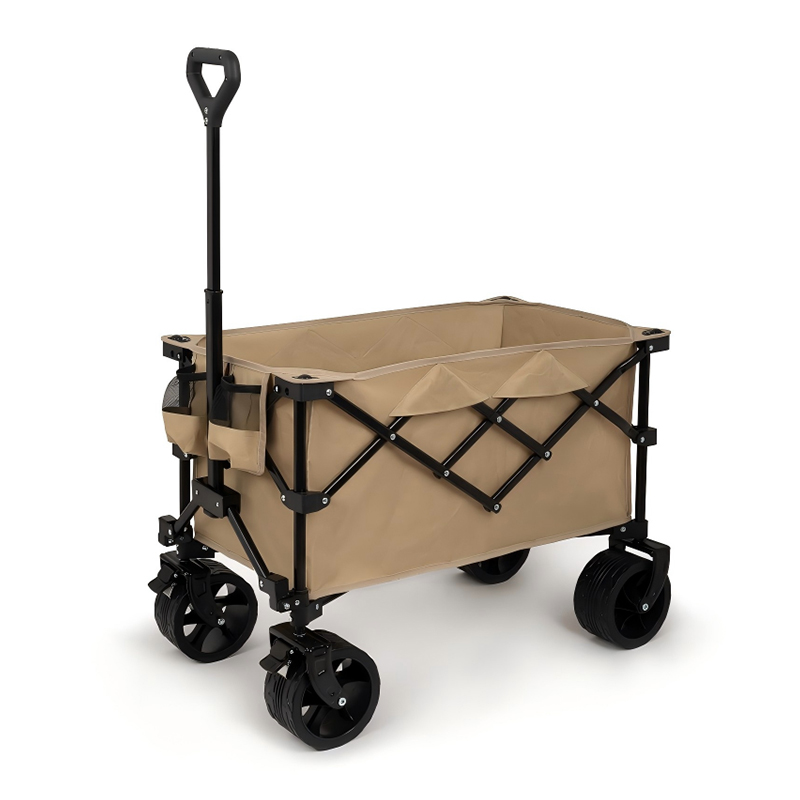
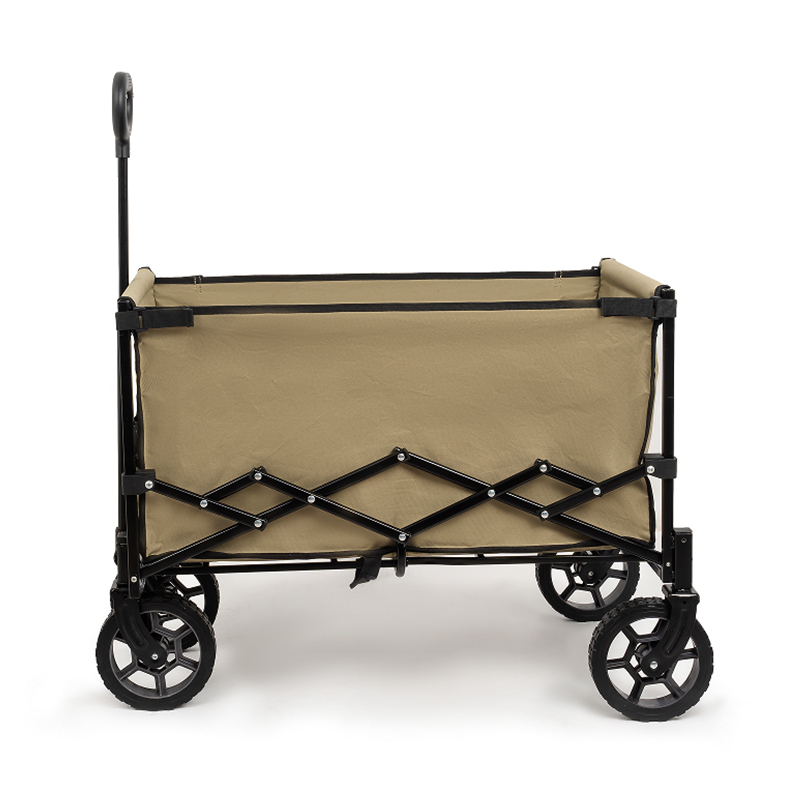
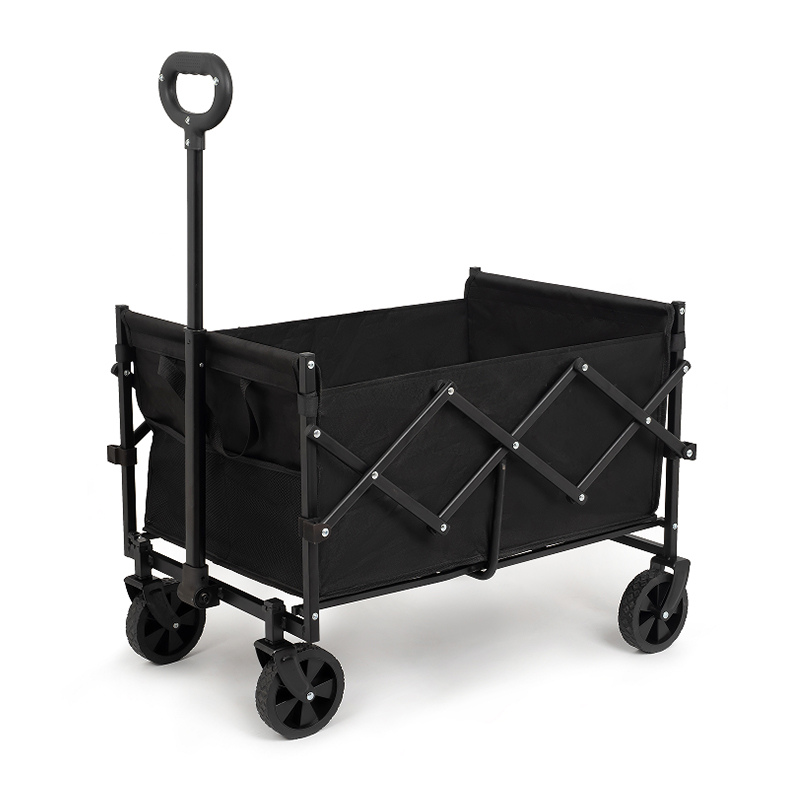
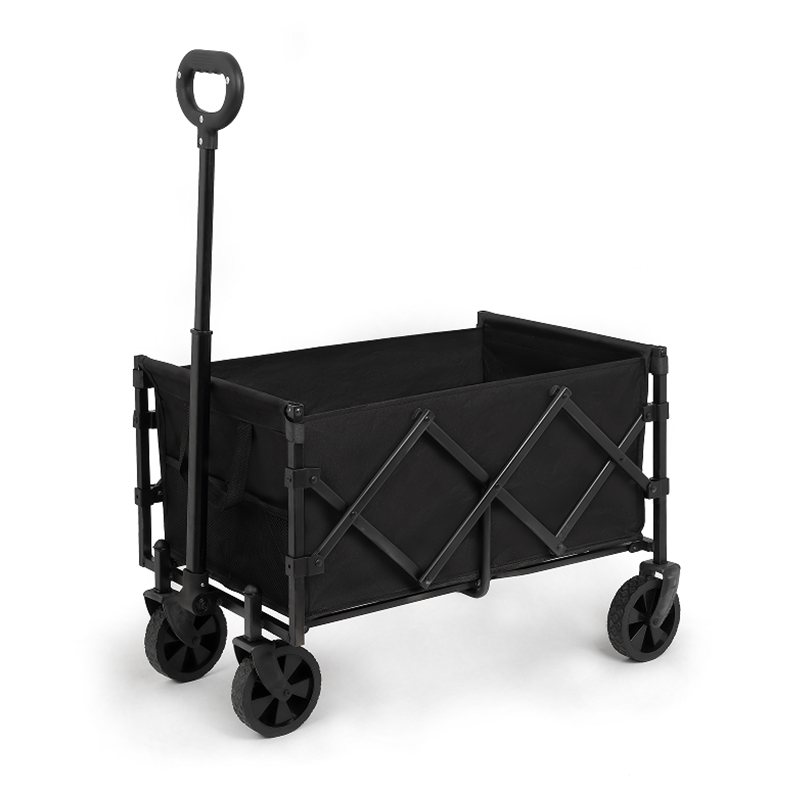
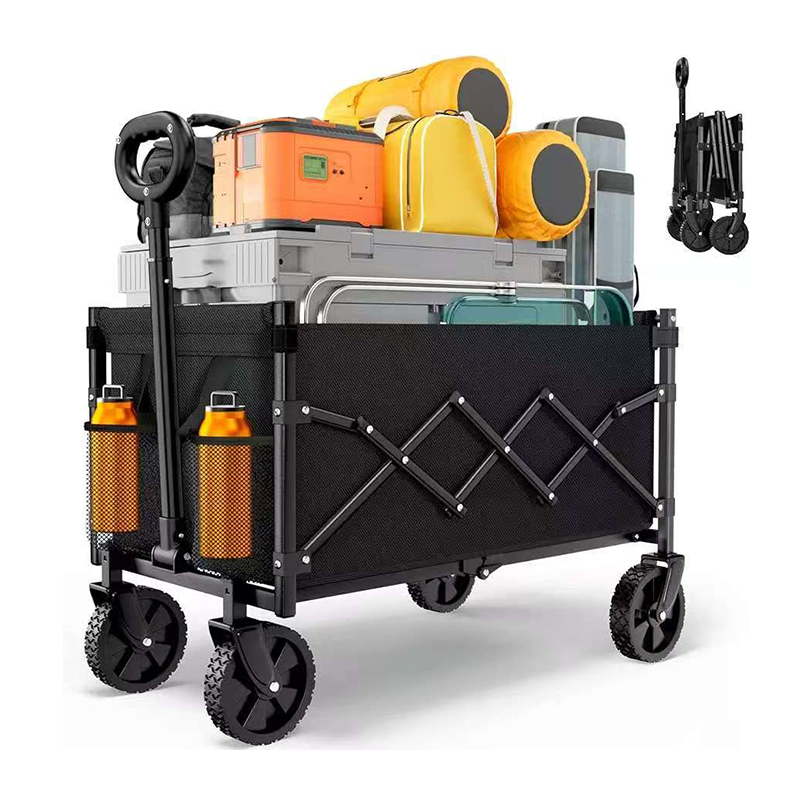
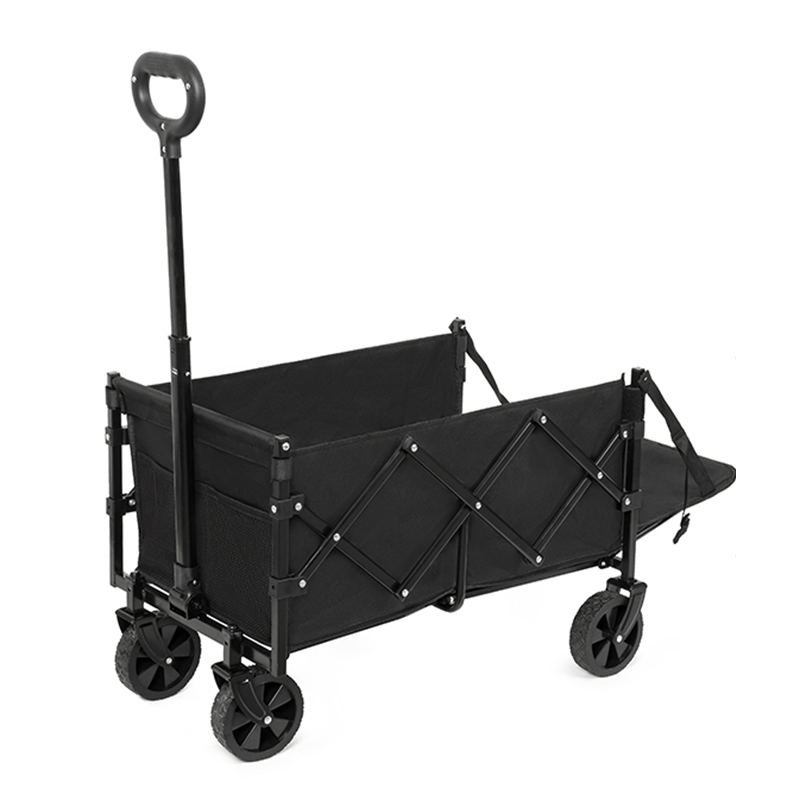
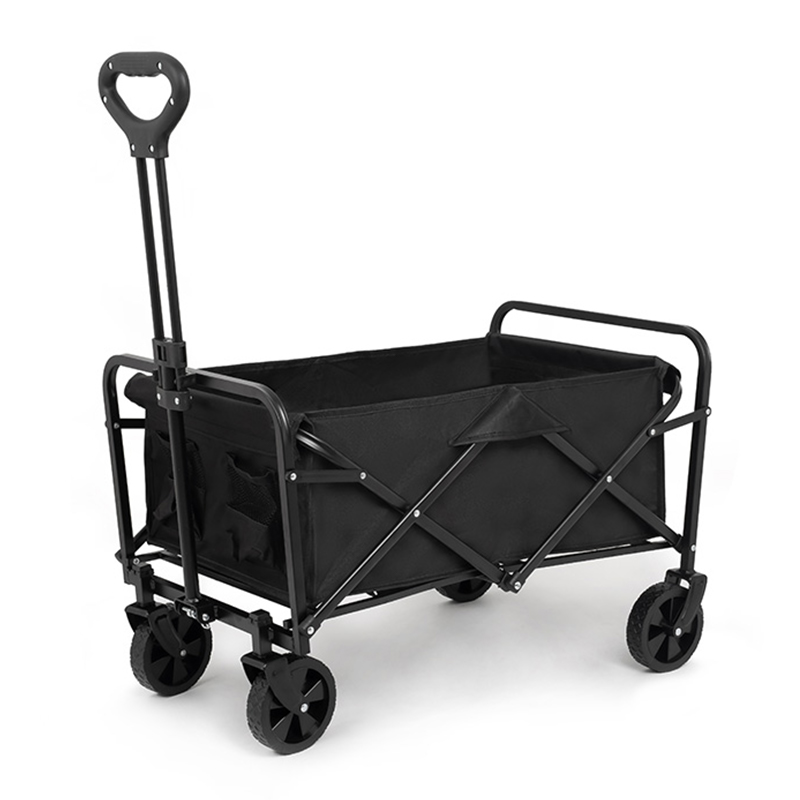
The wagon is basically a platform on four wheels, with a handle for pulling or pushing. Workers use it to move inventory, tools, or supplies. A small wagon with brake wheels factory produces these in various sizes—from 2-foot carts for retail restocking to 4-foot utility wagons for warehouse use.
The brakes lock the wheels when parked
Many models have two swivel casters at the front and two rigid casters at the back. The brake mechanism engages on at least two wheels—usually the swivel ones. A small wagon with brake wheels factory installs brake pedals that you step on to lock, and step again to release.
The brakes prevent runaway carts on slopes
Even a slight incline can send an unbraked cart rolling. That's a safety hazard for workers and a damage risk for products. A small wagon with brake wheels factory uses brake designs that hold the cart firmly on grades up to 5 or 10 degrees.
The Wheels and Brakes
The casters are the foundation
Swivel casters let you turn. Rigid casters keep you going straight. A small wagon with brake wheels factory selects caster materials based on the floor surface—polyurethane for concrete, rubber for tile, nylon for carpet.
The brake design varies
Some brakes press a pad against the wheel tread. Others lock the swivel mechanism so the wheel can't turn. A small wagon with brake wheels factory uses total-lock brakes for big holding power, and directional brakes for controlled straight-line travel.
The brake pedal must be easy to operate
Workers step on pedals dozens of times per shift. The pedal should engage with a positive click and release smoothly. A small wagon with brake wheels factory designs the pedal linkage for durability.
How the Factory Assembles Them
Frame welding and painting
The wagon frame is welded from steel tubing. After welding, the frame is cleaned and powder-coated or painted. A small wagon with brake wheels factory uses a durable finish that resists chipping and rust.
Caster attachment
Casters are bolted or riveted to the frame. The mounting plates must be superbly flat so the wheels sit evenly. A small wagon with brake wheels factory installs casters with locking hardware to prevent loosening from vibration.
Handle installation
The handle is attached to the frame at a comfortable pulling height. Some handles fold down for storage. A small wagon with brake wheels factory offers both fixed and foldable handle options.
Brake testing
Every cart gets a brake test before shipping. The wagon is loaded with a test weight, parked on a graded surface, and checked for holding. A small wagon with brake wheels factory documents the test results.
Types of Wagons
Flatbed utility carts
Open platform with four sides. Used for general material handling in factories and warehouses. A small wagon with brake wheels factory offers these in 600-pound and 1,000-pound capacity versions.
Shelf carts
Two or three shelves for sorting and staging. Used in retail restocking and mail sorting. A small wagon with brake wheels factory adds corner bumpers and push handles.
Nesting carts
Designed to stack into each other when empty. Saves floor space. A small wagon with brake wheels factory uses tapered designs and folding handles.
Brake Options
Two-wheel brakes
Brakes on the swivel casters only. The cart locks in position but you can still turn the rear wheels. A small wagon with brake wheels factory offers this as standard for many applications.
Four-wheel brakes
All four wheels lock. big holding power. A small wagon with brake wheels factory uses this for heavier loads or steeper ramps.
Directional brakes
Locks the swivel so the caster points straight. Used when you want the cart to roll in a straight line without wandering. A small wagon with brake wheels factory offers this for applications where straight-line tracking matters.
What Makes a Good Factory
Caster quality
Cheap casters bind, wobble, or break. A reliable small wagon with brake wheels factory sources casters from reputable brands with sealed bearings.
Brake engagement
The brake must engage fully with a single press. A serious factory adjusts brake linkage during assembly and tests every unit. Partial engagement causes runaway.
Welding strength
Frame welds must hold under load. A good factory uses jig welding for consistent joints and inspects welds visually.
Finish durability
Powder coat resists scratches and rust. A small wagon with brake wheels factory applies finish thickness within spec and tests for adhesion.
Warranty support
Carts take abuse. A factory that backs their product with a warranty is a factory that builds to last.
A small wagon with brake wheels factory produces the cart that moves loads safely through busy work environments. The good ones assemble sturdy frames, install reliable casters, and adjust brake systems for secure holding. They offer multiple sizes and brake configurations. They test every cart before shipping. The result is a wagon that rolls easily, stops firmly, and holds its load without drifting away. Choose a factory that treats a cart as the daily workhorse it is—not just a box on wheels.