English
 日本語
日本語 عربى
عربى Español
 Deutsch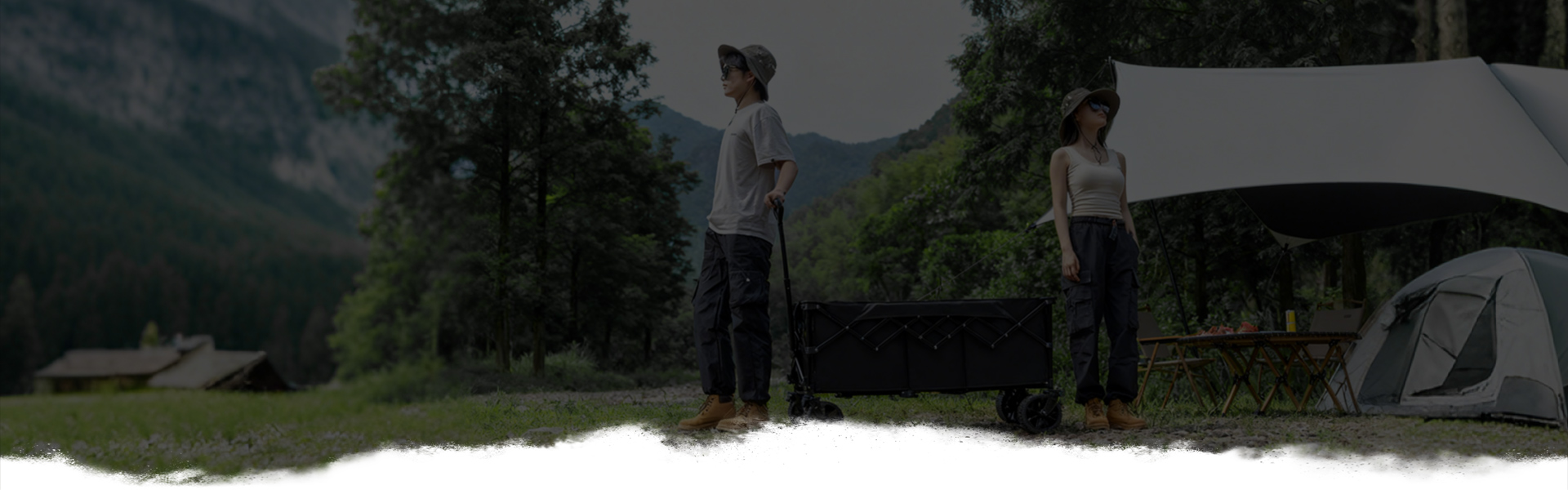
Content
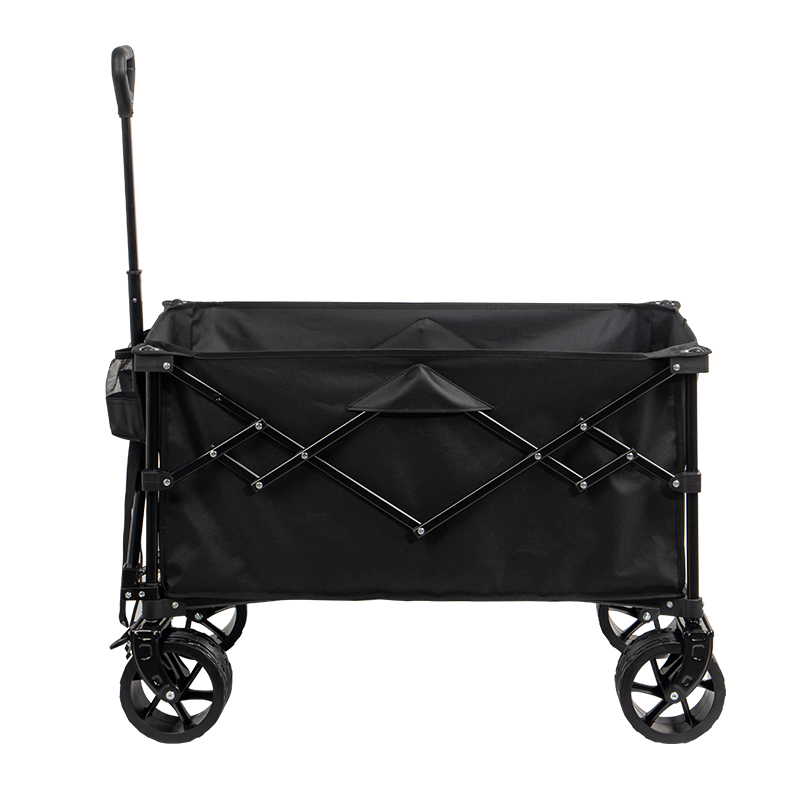
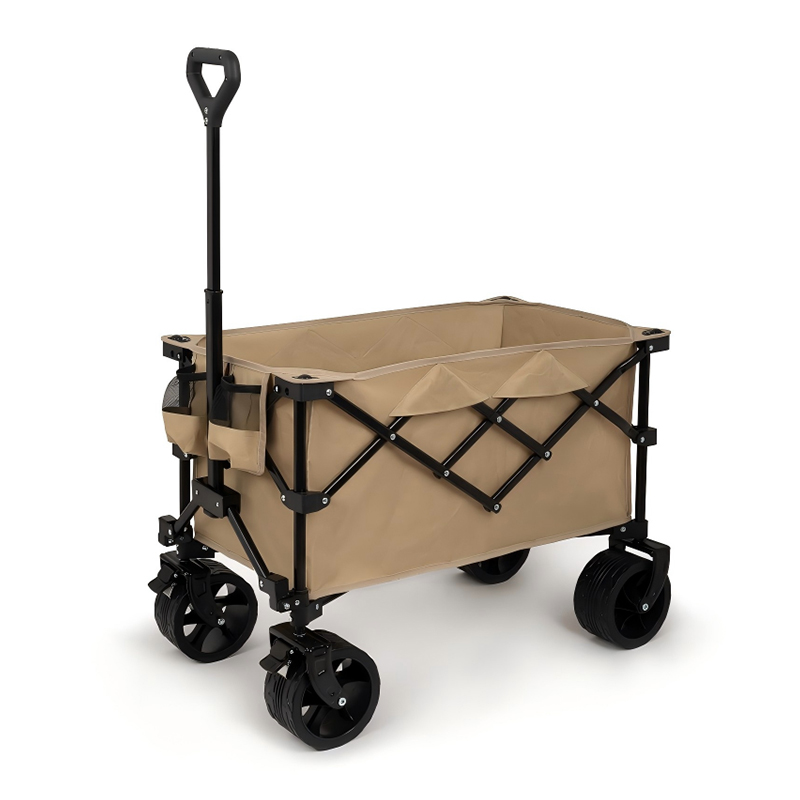
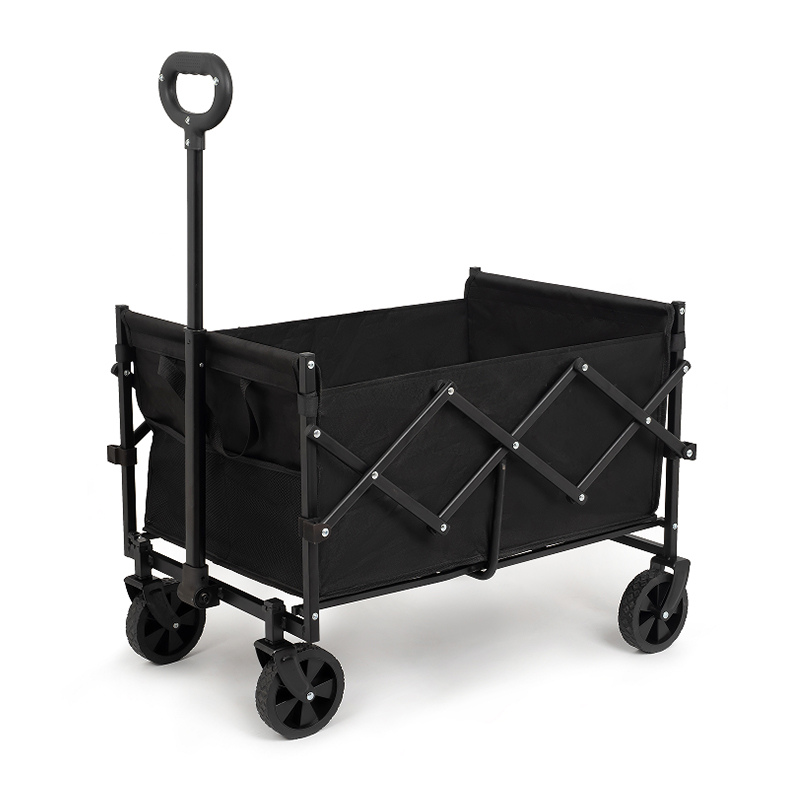
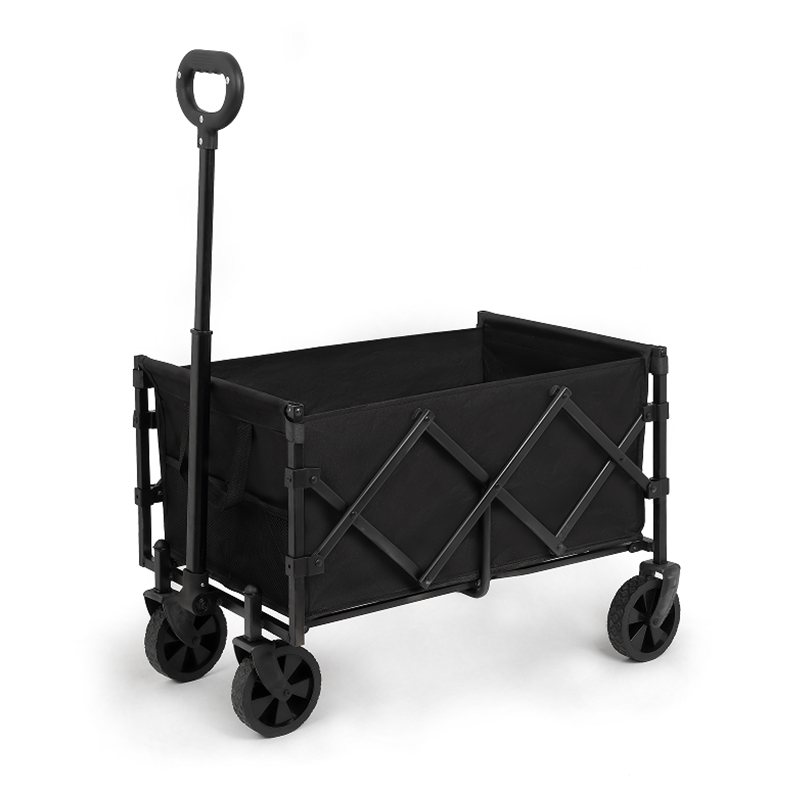
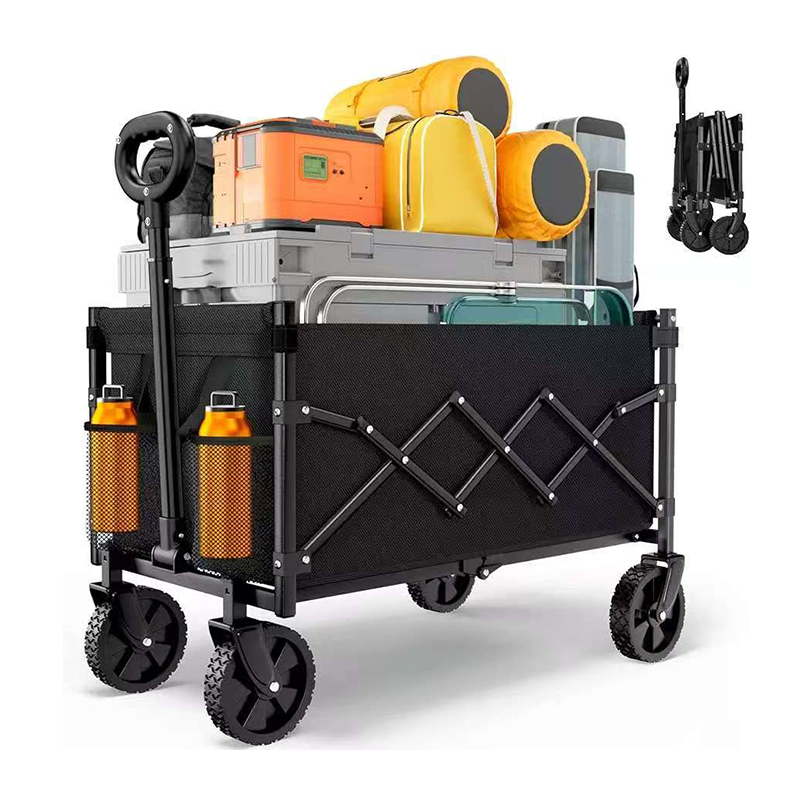
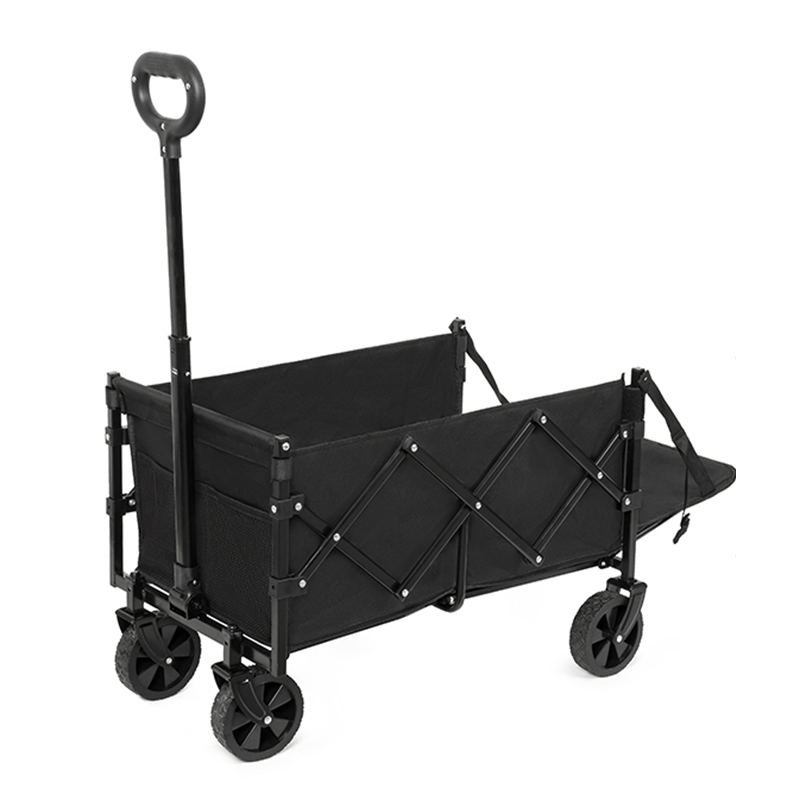
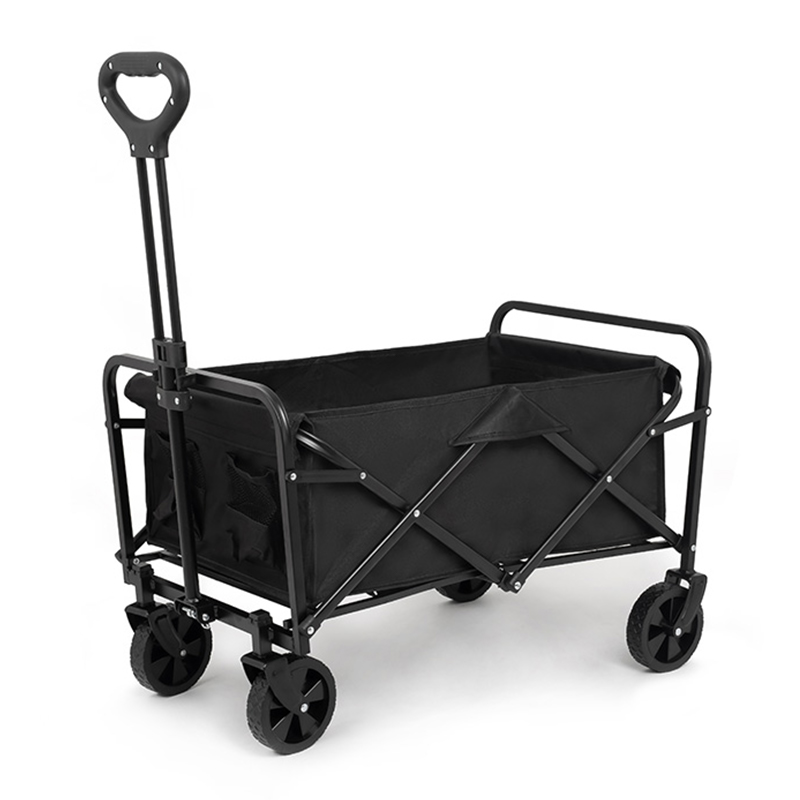
Gardens. Campsites. Beaches. Sports fields. Anywhere gear needs to move across grass, sand, or gravel, an outdoor wagon is rolling. An outdoor wagon factory produces foldable steel-framed carts with fabric bodies and all-terrain wheels. They haul firewood, coolers, folding chairs, and tired children. They collapse for trunk storage. They handle loads that would strain a wheelbarrow.
The Build Process Step by Step
Steel tubing and durable fabric come together in a surprisingly involved assembly
An outdoor wagon factory starts with cut and bent steel tube for the frame. The tube ends are welded, deburred, and powder-coated against rust. The fabric body is cut from polyester or canvas, stitched with reinforced seams, and fitted with attachment loops. Wheels with rubber tires or EVA foam are mounted to the axles. The folding mechanism is assembled and tested for smooth operation.
Frame construction and folding geometry
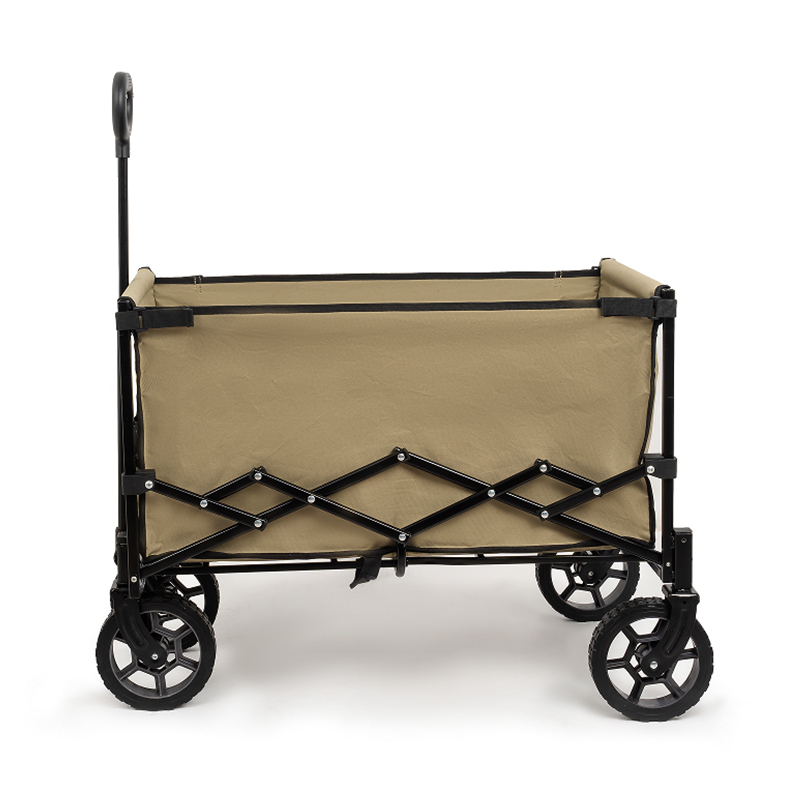
The frame must fold flat without pinching fingers and lock open without collapsing under load. A scissor-style folding mechanism is common, with pivot points reinforced by steel bushings or washers. An outdoor wagon factory that welds these joints cleanly and aligns the pivots produces a wagon that opens and closes with one motion.
Fabric body and load capacity
The fabric takes the weight of the cargo. Double-stitched seams and reinforced bottom panels prevent blowouts. An outdoor wagon factory that uses 600-denier or heavier polyester fabric with PVC backing delivers a body that resists tearing and cleans easily after a muddy outing.
Wheel and axle design
Narrow plastic wheels sink into sand. Wide rubber-tread wheels float over it. An outdoor wagon factory selects wheel diameter, tread width, and bearing type based on the terrain the wagon is rated for. A front axle that pivots or casters improves maneuverability in tight turns.
Where Corners Get Cut and Failures Begin
The weak points show up fully loaded on uneven ground
An outdoor wagon factory ships products that families and workers load to the rated capacity and pull across rough terrain. Frame welds that crack, fabric that tears at the attachment points, and wheels that seize are the common failure modes. Here is what separates a durable wagon from a seasonal disappointment.
Weld integrity at pivot points
The folding mechanism concentrates stress at the hinge connections. A cold weld or a missed joint fails when the wagon hits a bump while fully loaded. An outdoor wagon factory that performs pull-testing on assembled frames catches weld defects before the wagon leaves the line.
Fabric attachment strength
The fabric body hangs from the frame at multiple points. If the attachment loops are single-stitched or made from weak webbing, the body sags and eventually detaches. An outdoor wagon factory that uses bartack stitching and reinforced webbing at every attachment point builds a body that holds.
Wheel bearing durability
Sand, dirt, and water ingress destroy unsealed bearings. Wheels that wobble or lock up mid-pull are a common return reason. An outdoor wagon factory that uses sealed cartridge bearings or bushing designs rated for outdoor exposure keeps wheels rolling through multiple seasons.
Why the Category Keeps Growing
Outdoor wagons have moved beyond the garden center into everyday life
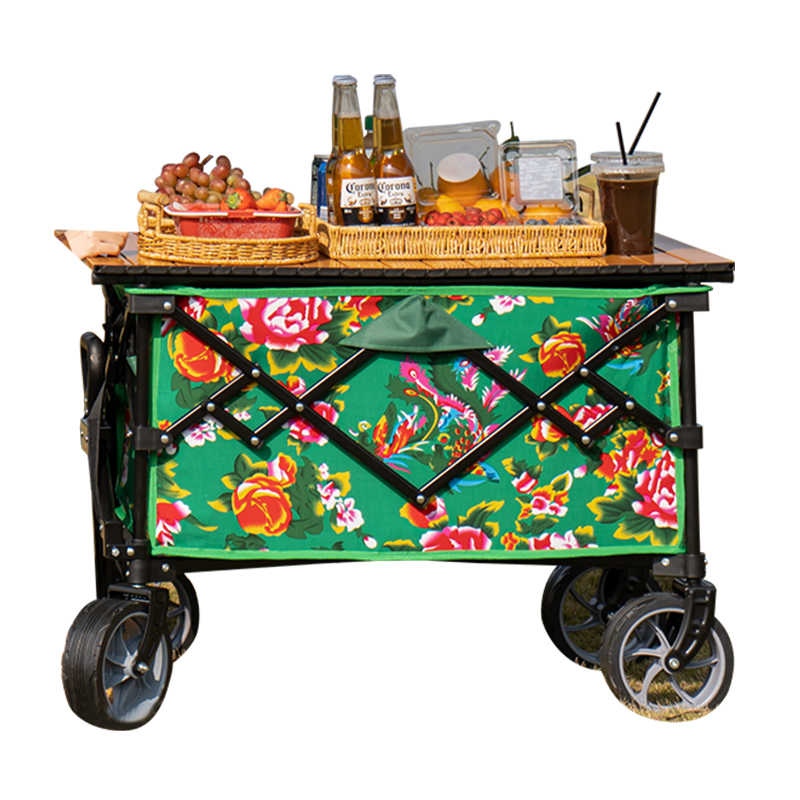
An outdoor wagon factory supplies products for an expanding range of uses. Families take them to outdoor concerts and soccer tournaments. Contractors use them to move tools from the truck to the worksite. Event planners haul decorations across wedding venues. The same basic folding wagon platform adapts to recreational, commercial, and rental markets with different frame sizes and fabric patterns.
How to Assess a Factory Before Placing a Volume Order
The sample wagon in the showroom tells a different story than the container shipment arriving in peak season
A capable outdoor wagon factory tests its folding mechanism through repeated cycles. It load-tests frames to the rated capacity with a safety margin. It ships with assembly quality consistent from the first carton to the last. Here is what to check before committing to a production run.
Durability testing data
Ask for cycle test results on the folding mechanism and load test reports on the frame. An outdoor wagon factory that conducts these tests in-house and shares the data is confident in its product. One that hesitates may be relying on the customer to discover the weak points.
Fabric and color consistency
A red wagon from batch one should match a red wagon from batch six. Fabric dye lots vary. An outdoor wagon factory that sources fabric from consistent suppliers and checks incoming material against a master sample protects brand color integrity.
Here is what to verify before the order ships:
- Frame weld penetration samples or pull-test records
- Fabric tensile strength and tear resistance test data
- Wheel bearing seal rating for water and dust ingress
- Folding mechanism cycle test count beyond rated life
An outdoor wagon carries a surprising amount of life's essentials. Beach towels, tool bags, picnic baskets, potted plants. It works on terrain where wheeled coolers and dollies fail. Choose a factory that welds clean frames, stitches strong bodies, and fits wheels that turn freely through sand and dirt. Your customers will pull that wagon for years. That is the contribution of an outdoor wagon factory.