English
 日本語
日本語 عربى
عربى Español
 Deutsch
Content
- 1 Why the Frame Defines the Wagon Experience
- 2 Aluminum Frame Wagon: Focus on Portability and Balance
- 3 Lightweight Steel Wagon: Strength with Practical Control
- 4 Folding Metal Wagon and the Value of Space Efficiency
- 5 Comparing Frame Materials in Practical Use
- 6 Load Capacity and Structural Design
- 7 Portability Beyond Weight
- 8 Outdoor and Recreational Applications
- 9 Work-Oriented and Utility Scenarios
- 10 Durability Through Repeated Use
- 11 Safety and Stability Considerations
- 12 Design Trends in Modern Wagons
- 13 Environmental and Practical Considerations
- 14 Choosing the Right Wagon for Real Use
- 15 Long-Term Value and Practical Expectations
Metal frame wagons are widely used in daily life, outdoor activities, and light industrial tasks. While they may look similar at first glance, the material used for the frame strongly influences how each wagon performs. Factors such as weight, strength, storage convenience, and long-term durability all connect directly to frame design. Options like the Aluminum Frame Wagon show how thoughtful material selection can shape real-world usability rather than just visual appeal.
Why the Frame Defines the Wagon Experience
The frame carries every load a wagon handles. It absorbs vibration from uneven surfaces, supports the wheels, and keeps the structure stable during movement. A poorly matched frame material can lead to discomfort, early wear, or handling difficulties.
For users who value ease of movement, an Aluminum Frame Wagon often provides a noticeable difference in daily use. Meanwhile, steel-based designs are often associated with strength and consistency when loads become heavier or more frequent.
Aluminum Frame Wagon: Focus on Portability and Balance
An Aluminum Frame Wagon is commonly selected for situations where lifting, pulling, or repositioning happens often. Aluminum keeps overall weight lower while still offering enough rigidity for common transport tasks.
This type of wagon fits naturally into outdoor settings such as camping, gardening, or beach use. Reduced weight helps users manage soft ground like sand or grass with less effort. In humid environments, aluminum’s resistance to corrosion also contributes to longer service life without demanding heavy maintenance.
Lightweight Steel Wagon: Strength with Practical Control
Steel remains a trusted material for wagon frames due to its structural reliability. A Lightweight Steel Wagon is designed to reduce unnecessary mass while maintaining the ability to carry denser or bulkier loads.
By adjusting tube thickness and frame geometry, manufacturers create steel wagons that feel stable without becoming difficult to maneuver. These wagons are commonly used in settings such as workshops, warehouses, or event logistics, where repeated loading is part of daily routines.
Folding Metal Wagon and the Value of Space Efficiency
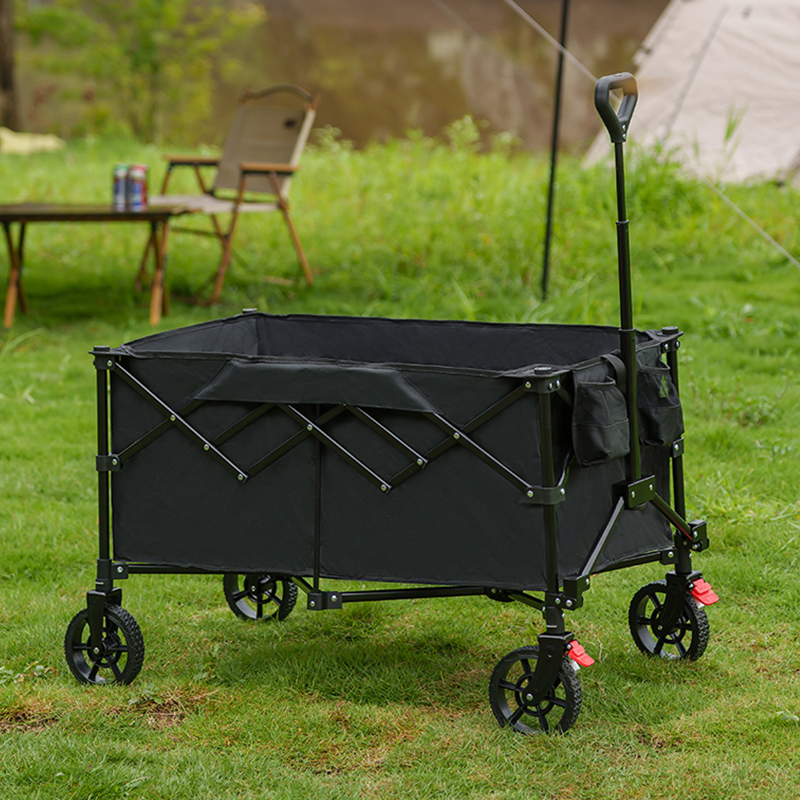
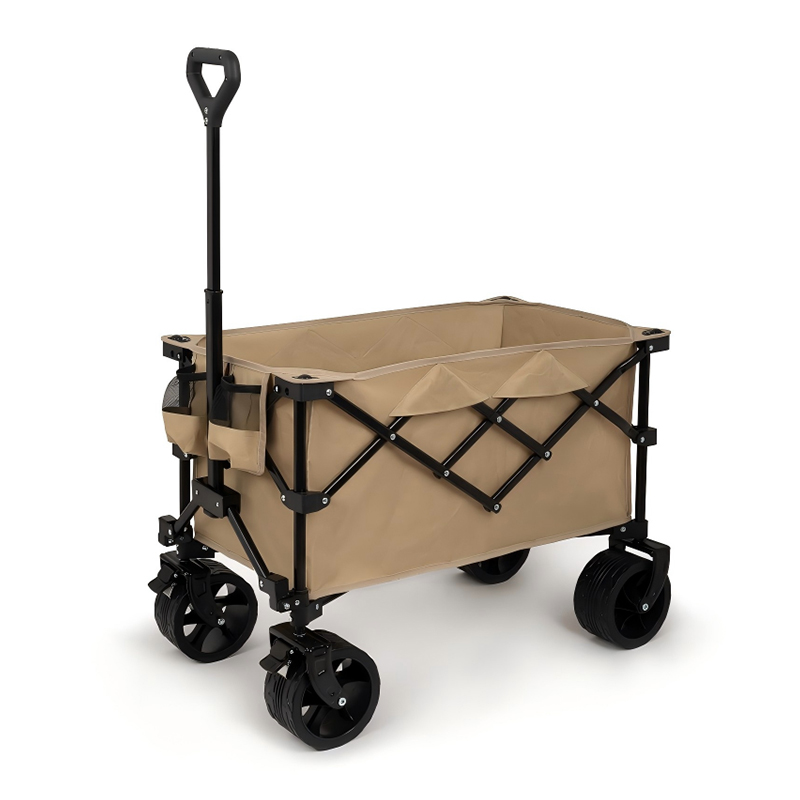
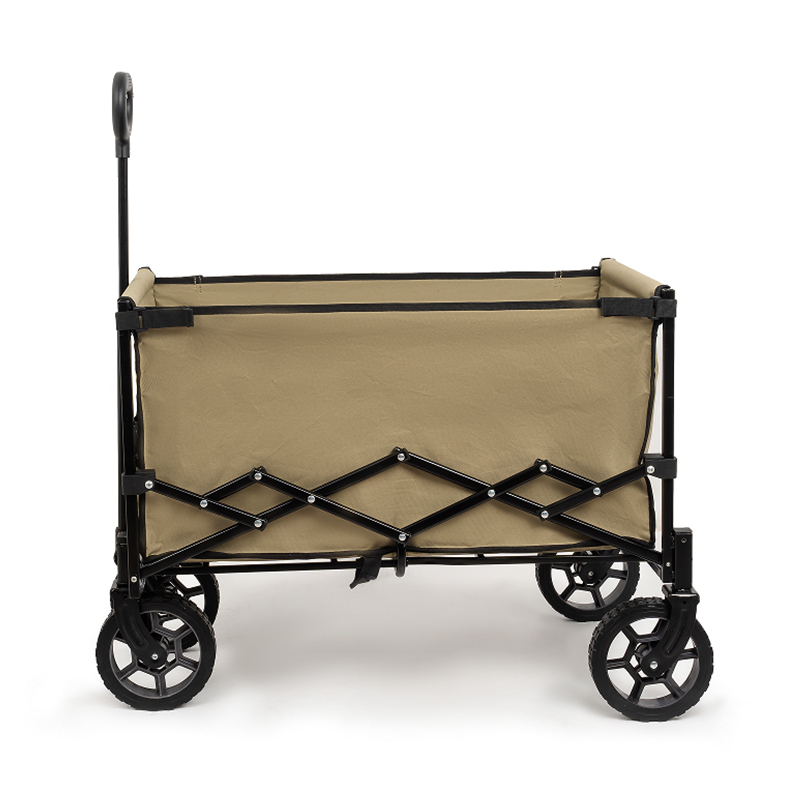
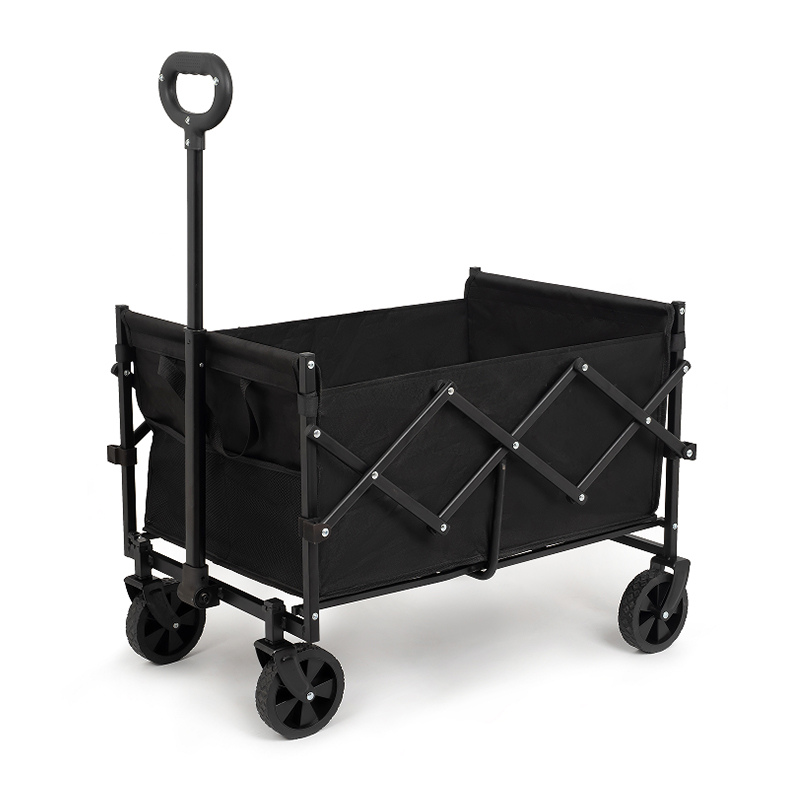
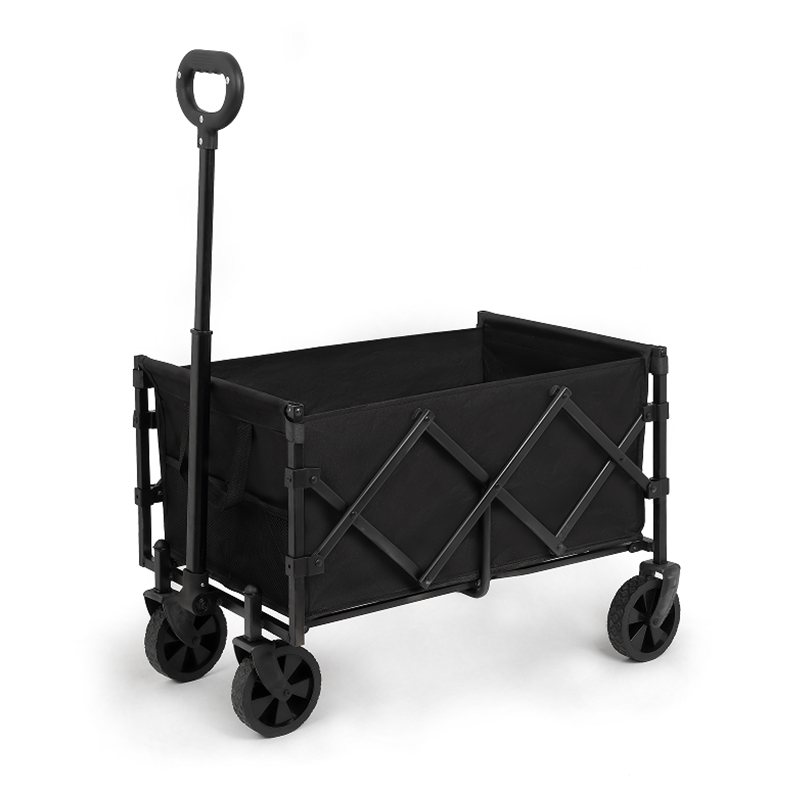
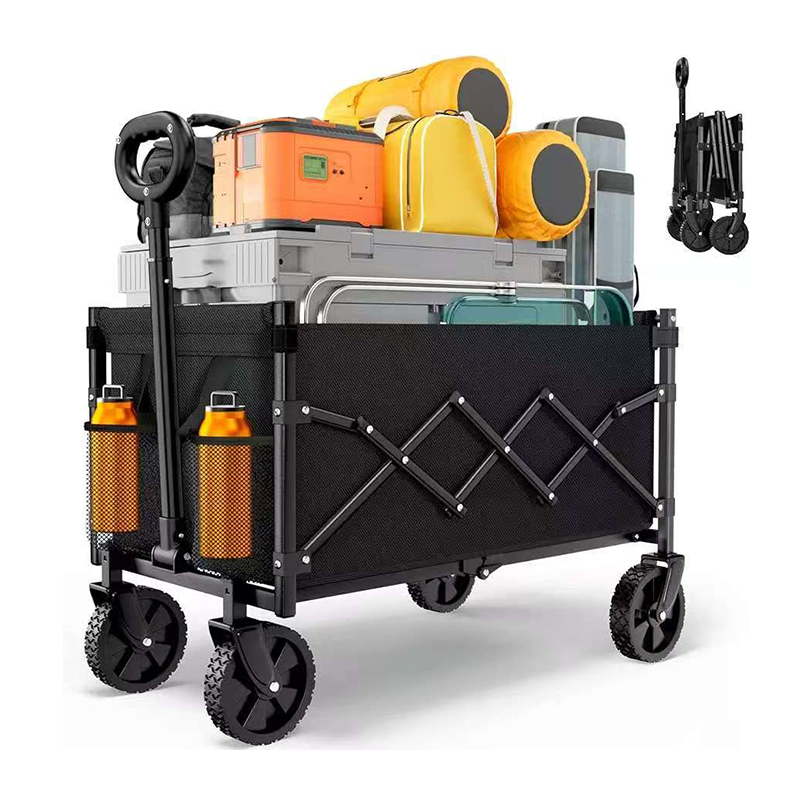
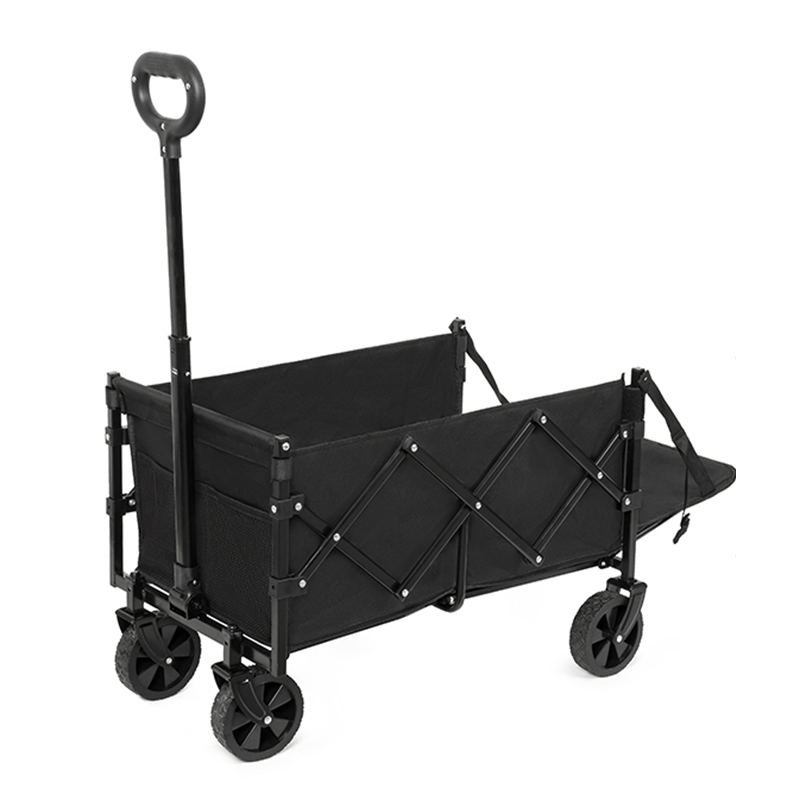
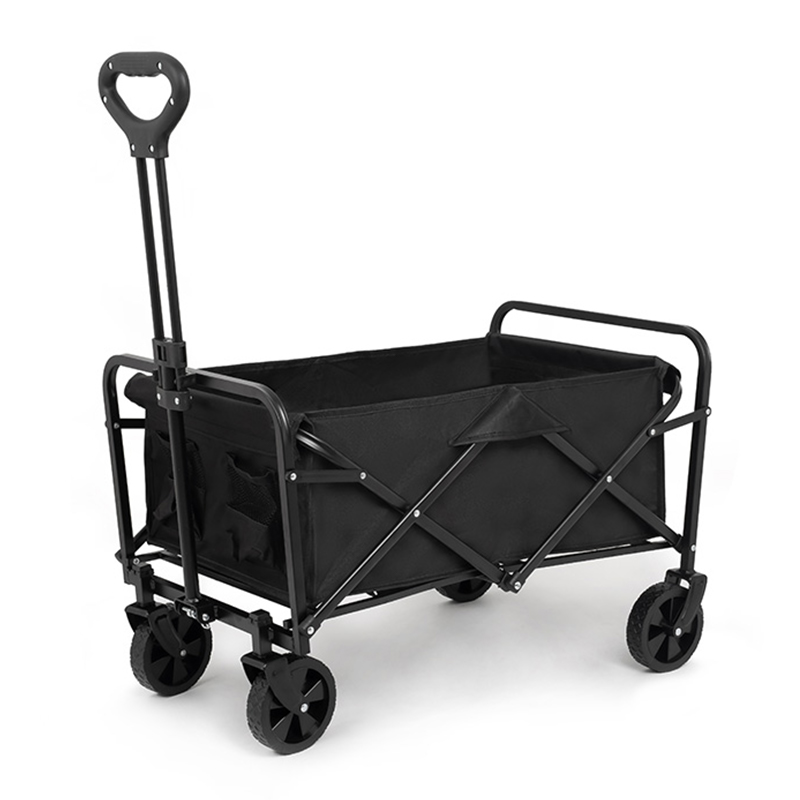
Storage space is a growing concern for many users. A Folding Metal Wagon addresses this issue by allowing the frame to collapse into a compact shape when not in use. This feature makes it easier to store the wagon in vehicles, closets, or utility rooms.
The folding mechanism becomes a core design element. Well-designed joints and locking systems allow the wagon to stay firm during use while remaining easy to fold afterward. This balance determines whether folding adds convenience or becomes a long-term weak point.
Comparing Frame Materials in Practical Use
The table below outlines general differences between aluminum and steel frames to highlight how material choice affects everyday performance.
| Aspect | Aluminum Frame | Steel Frame |
| Overall Weight | Lower | Moderate |
| Resistance to Corrosion | High | Coating dependent |
| Load Handling | Moderate loads | Heavier loads |
| Storage Convenience | Easy to move | More stable |
| Maintenance Needs | Minimal | Periodic checks |
This comparison shows why different wagons exist rather than one universal design.
Load Capacity and Structural Design
Load capacity is not defined by material alone. Frame layout, joint reinforcement, and wheel alignment all influence how weight is distributed. An Aluminum Frame Wagon performs well when loads are evenly spread and within intended limits.
In contrast, a Lightweight Steel Wagon often provides a more stable feel when transporting compact, heavy items. Steel’s stiffness helps reduce frame flex, which can improve wheel tracking on hard surfaces.
Portability Beyond Weight
Portability includes more than just how heavy a wagon feels. Handle height, grip comfort, and wheel positioning all affect how easily it moves. A Folding Metal Wagon often includes telescoping handles and compact wheel spacing to improve maneuverability.
These design details become noticeable during longer tasks, where small ergonomic differences can reduce fatigue significantly.
Outdoor and Recreational Applications
For recreational use, adaptability matters more than raw strength. An Aluminum Frame Wagon suits outdoor activities where terrain varies and frequent repositioning is required. It handles grass, gravel, and sand with less effort compared to heavier designs.
Camping trips, garden work, and family outings often benefit from a lighter frame that can be lifted into a vehicle without strain.
Work-Oriented and Utility Scenarios
In work environments, stability and load tolerance take priority. A Lightweight Steel Wagon supports tools, equipment, or packaged goods that may be transported repeatedly throughout the day.
Steel frames tend to maintain alignment under stress, which helps preserve wheel performance and reduces maintenance caused by bending or joint fatigue.
Durability Through Repeated Use
Repeated folding, loading, and environmental exposure can affect any wagon. A Folding Metal Wagon must rely on strong hinges and locking points to maintain reliability over time.
Steel frames may require periodic inspection for coating wear, especially in outdoor settings. Aluminum frames, while corrosion-resistant, benefit from cleaning to prevent surface buildup that could affect joints.
Safety and Stability Considerations
Stability matters when loads shift unexpectedly. A Folding Metal Wagon should lock securely in its open position to prevent collapse during movement. Frame rigidity helps keep wheels aligned, reducing tipping risk on uneven surfaces.
Rounded edges, secure fasteners, and balanced axle placement further improve safety during handling and storage.
Design Trends in Modern Wagons
Recent designs often blend material strengths. Some wagons combine aluminum main frames with steel reinforcements in stress areas. Others focus on refining folding mechanisms without increasing complexity.
A Lightweight Steel Wagon may now incorporate compact folding features, while aluminum models adopt reinforced joints to support slightly heavier loads.
Environmental and Practical Considerations
Material choice can also reflect environmental thinking. Aluminum is widely recyclable and lightweight to transport, while steel offers long service life when properly maintained.
Users who frequently transport wagons by car may lean toward aluminum-based designs. Those prioritizing durability over portability often choose steel frames instead.
Choosing the Right Wagon for Real Use
Selecting a wagon starts with understanding how it will be used. Questions such as load weight, storage space, and frequency of transport help narrow options.
An Aluminum Frame Wagon suits users who move often and lift frequently. A Lightweight Steel Wagon supports consistent, heavier work. A Folding Metal Wagon offers flexibility when space is limited.
Long-Term Value and Practical Expectations
A wagon becomes a long-term tool when its frame matches real usage patterns. Choosing based only on appearance may lead to discomfort or early wear. Matching material and structure to everyday needs improves reliability and user satisfaction.
Metal frame wagons serve a wide range of tasks, and no single design fits all situations. An Aluminum Frame Wagon emphasizes ease of handling and corrosion resistance. A Lightweight Steel Wagon focuses on strength and consistent performance. A Folding Metal Wagon adds convenience where storage and transport flexibility matter.
Understanding these differences helps users make informed choices and ensures that a wagon remains a helpful companion across work, leisure, and daily life.