English
 日本語
日本語 عربى
عربى Español
 Deutsch
Content
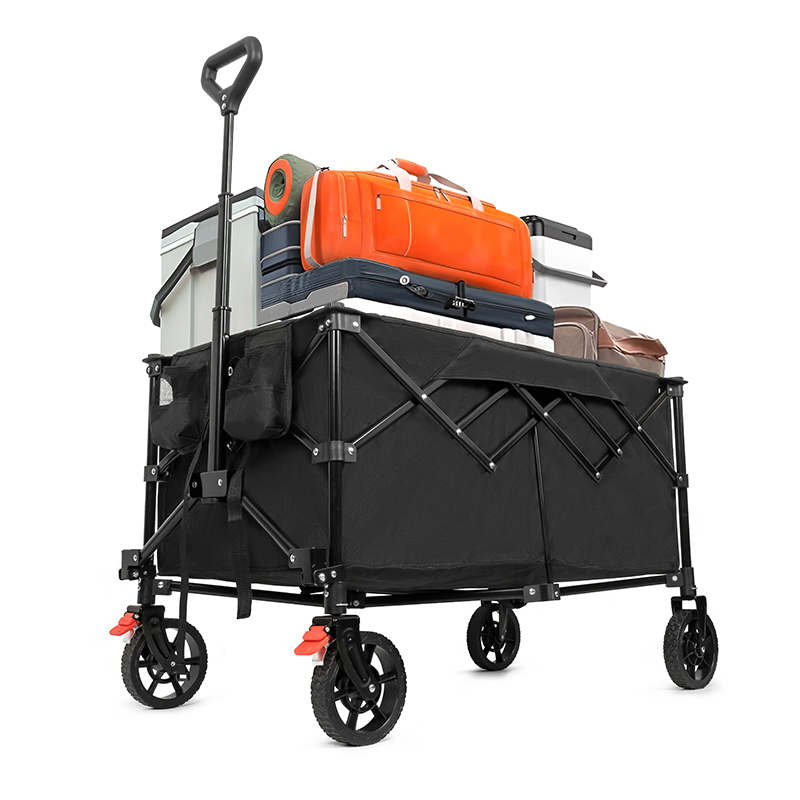
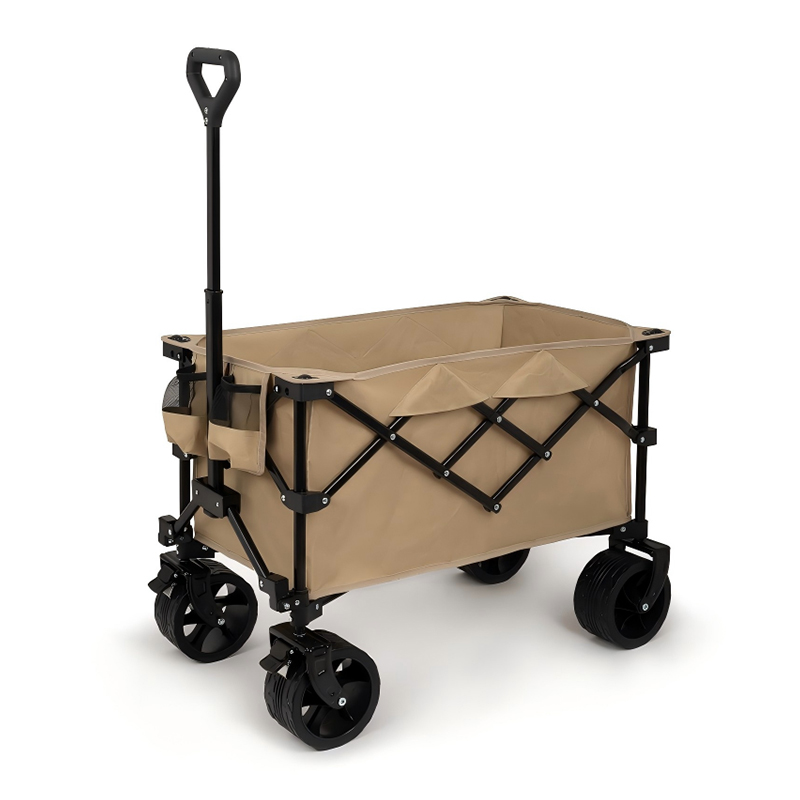
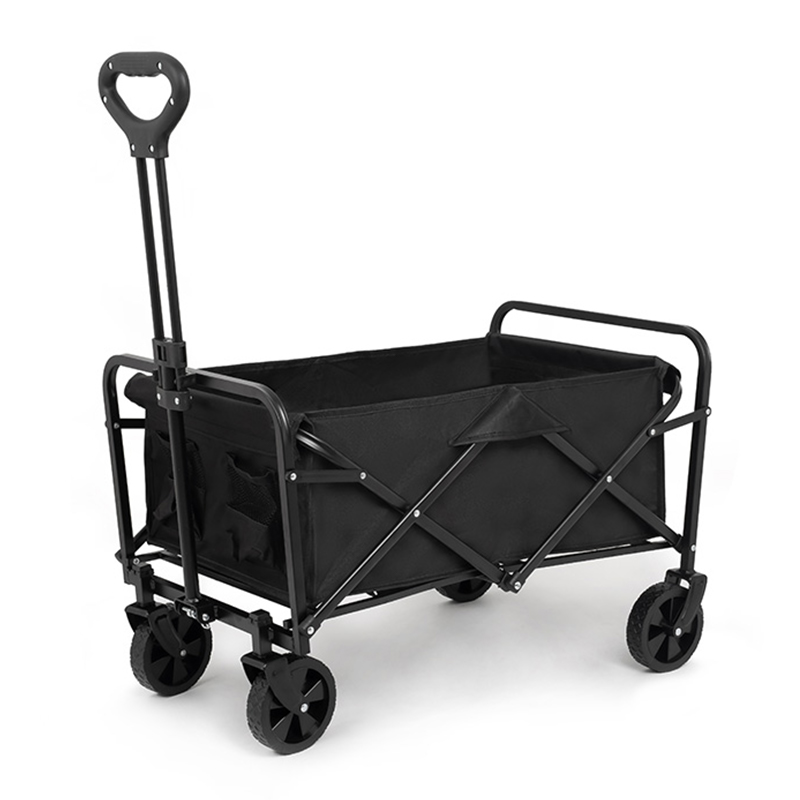
A standard wagon works fine for trips to the garden center or the farmer's market. But sometimes the load is longer than the wagon. Lumber. Pipes. Surfboards. A kayak. A standard wagon cannot handle it. An extended wagon solves this problem. It has a longer bed or an add-on extension. The wheelbase stretches too, so the wagon stays stable when loaded. You haul the long stuff without buying a truck or a trailer.
What an Extended Wagon Is and How It Differs from a Standard Wagon
The longer bed carries items that would hang out of a regular wagon
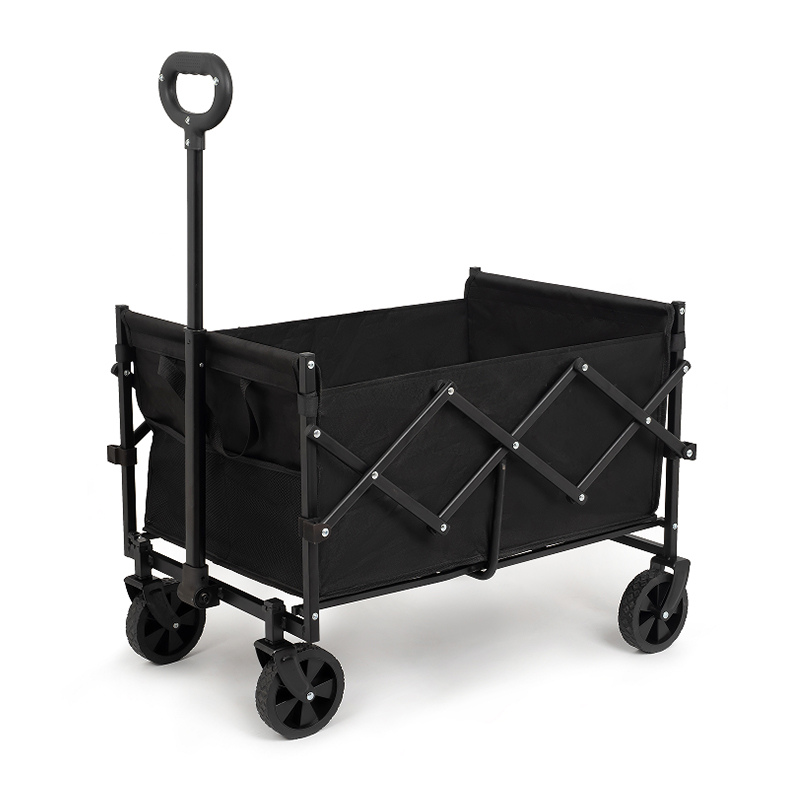
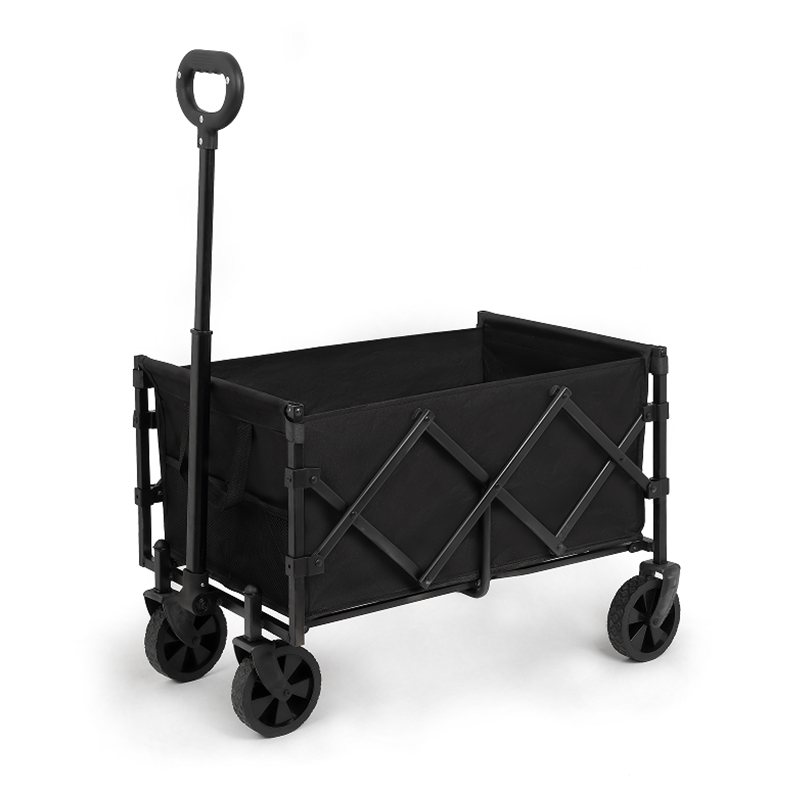
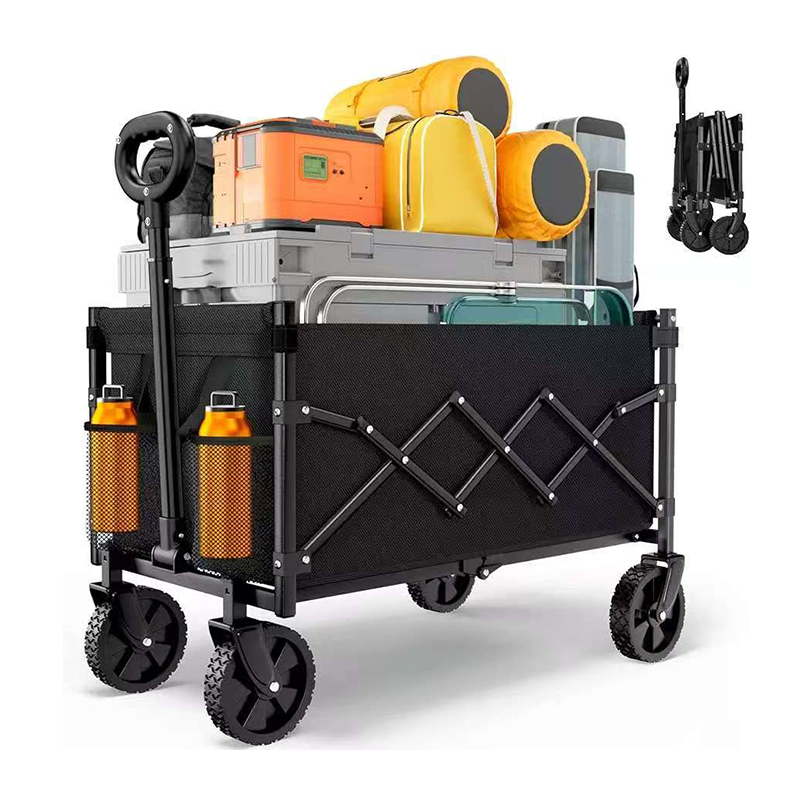
An extended wagon starts with a standard wagon design. Then the bed gets longer. A typical wagon bed is 36 to 48 inches long. An extended bed might be 60 to 72 inches. That extra foot or two changes what you can carry. A standard wagon cannot fit a sheet of plywood flat. An extended wagon might just barely fit it diagonally.
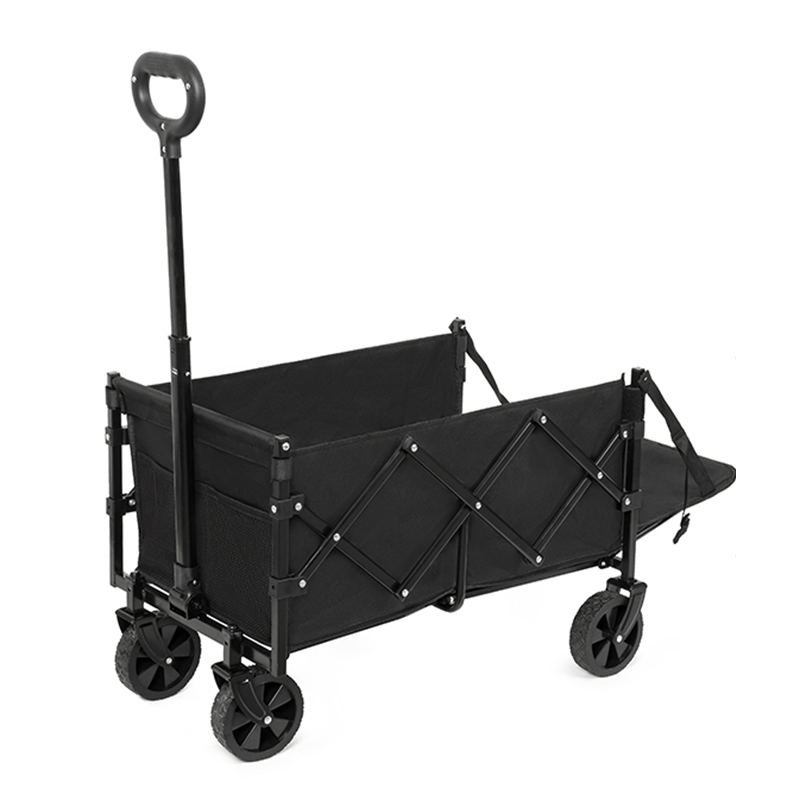
The extension can be permanent or removable. Permanent extensions are welded or bolted to the frame. They are stronger but make the wagon harder to store. Removable extensions slide or fold out when needed. They store in a smaller space but add complexity.
The wheelbase stretches to match the longer bed for stability
A long bed on a short wheelbase is unstable. Put weight at the far end of an extended wagon, and the front lifts. The wagon tips backward. Not good. A proper extended wagon has a longer wheelbase to match the longer bed. The wheels sit closer to the ends of the load.
Here is what distinguishes an extended wagon from a standard wagon with a bolt-on extension:
- Wheelbase is proportionally longer, not just the bed
- Weight distribution keeps the front down when loaded
- Steering geometry adjusted for the longer chassis
- Folding or collapsing mechanism, if present, is reinforced
Where an Extended Wagon Makes Sense
Gardening and landscaping for long plants and tools
Shovels, rakes, and hoes are longer than a standard wagon. They stick out the front or back. They drag on the ground. An extended wagon fits them lengthwise. No overhang. No dragging.
Long plants like tomato stakes or bamboo canes also fit better. A standard wagon carries them diagonally, wasting space. An extended wagon carries them straight, leaving room for other items beside them.
Beach and camping trips for kayaks and paddleboards
A kayak or paddleboard is 10 to 14 feet long. No wagon fits that. But an extended wagon with a collapsible extension can support one end while you pull. The other end rests on the ground or on a separate wheel.
Some extended wagon products have removable tow arms. Attach the kayak to the tow arm. The wagon pulls the front. The kayak wheels carry the back. One trip from the car to the water instead of two people carrying.
Farmers markets and events for large signs and displays
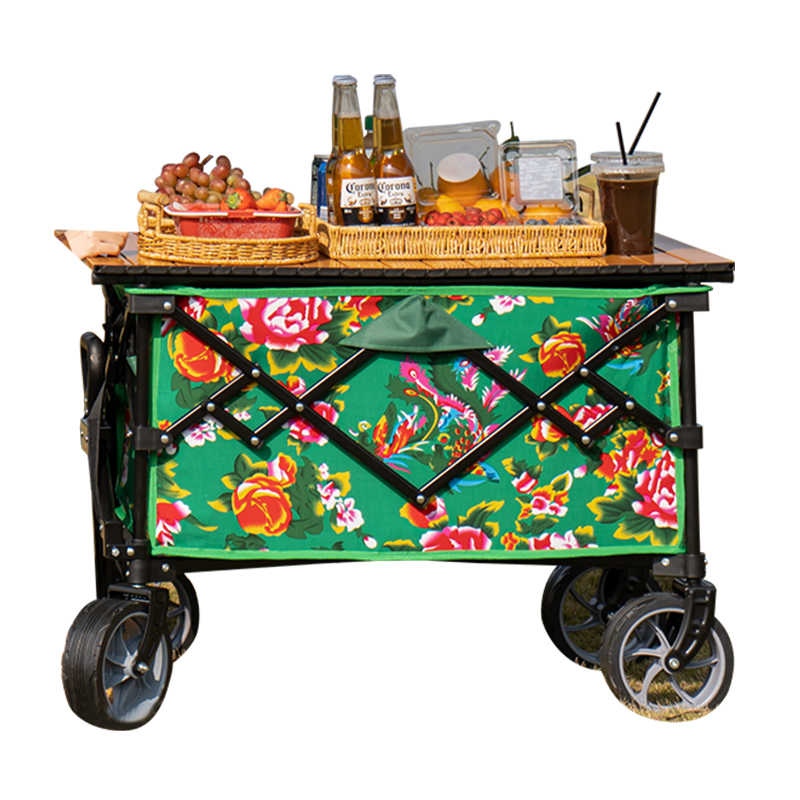
Vendors at farmers markets bring tents, tables, and signs. A standard wagon carries the small stuff. An extended wagon carries the 8-foot table or the 6-foot sign. One wagon instead of two trips.
Here are common uses for an extended wagon:
- Transporting lumber from the store to the truck or car
- Moving long tools between job sites on a property
- Carrying rolled-up rugs or carpets
- Hauling multiple garbage cans to the curb
What to Look for in an Extended Wagon
Bed construction needs to handle the longer span without sagging
A longer bed means more leverage on the middle. An extended wagon with a weak floor sags when loaded. The sides bow outward. The wagon becomes hard to pull. Look for a bed with a metal frame underneath, not just plastic. Cross braces every 12 to 16 inches prevent sagging.
Steel frames are strongest but heaviest. Aluminum frames are lighter but cost more. Plastic frames are fine for light loads but sag under weight.
Tires and wheels need to match the intended load and terrain
Larger wheels roll over bumps more easily. An extended wagon with 10-inch or 12-inch pneumatic tires handles grass, gravel, and dirt paths. Small hard plastic wheels work on smooth concrete but sink into soft ground.
Here is how tire choice affects extended wagon performance:
- Pneumatic tires — outstanding for rough terrain, puncture risk, need air
- Solid rubber tires — no flats, heavier ride, good for pavement
- Foam-filled tires — no flats, smoother than solid, heavier than pneumatic
- Plastic wheels — cheap, loud, poor traction, for light use only
- Folding or collapsible design affects storage space
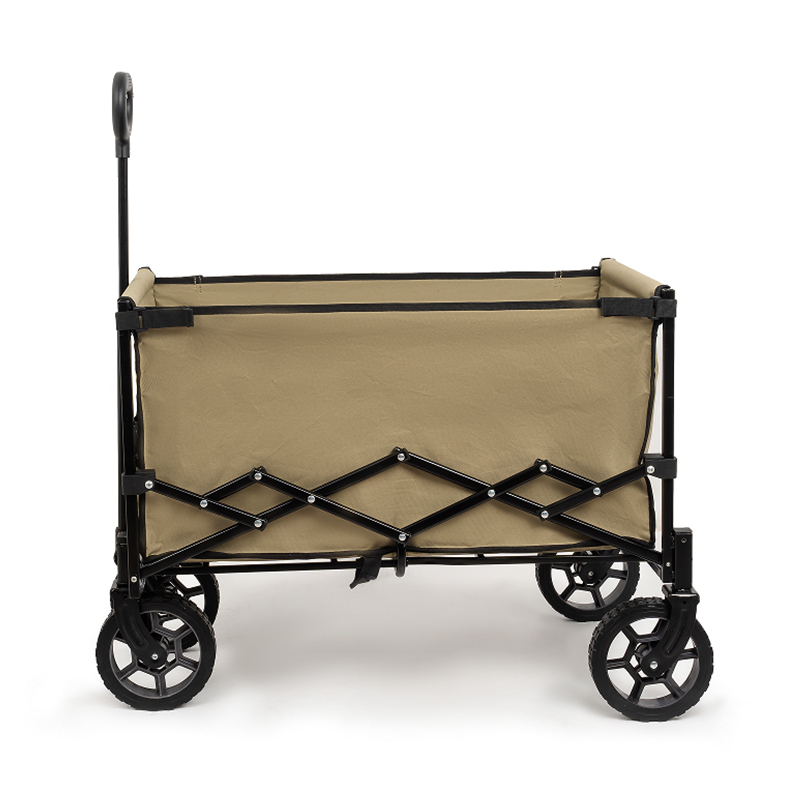
An extended wagon that does not fold takes up a lot of room. A 6-foot bed does not fit in a small apartment closet. Look for a wagon that folds in two directions — side to side and end to end. Some models collapse into a package 12 inches thick and 24 inches square.
The folding mechanism needs to be robust. Cheap extended wagon products use plastic hinges that crack. Steel hinges with large pins last longer.