English
 日本語
 عربى
 Español
 Deutsch

Content
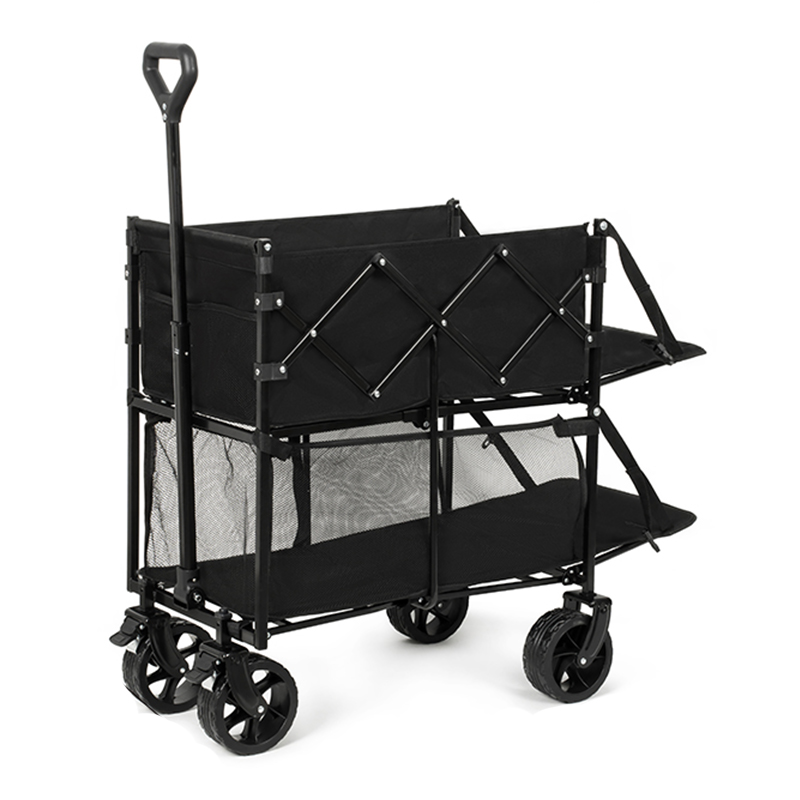
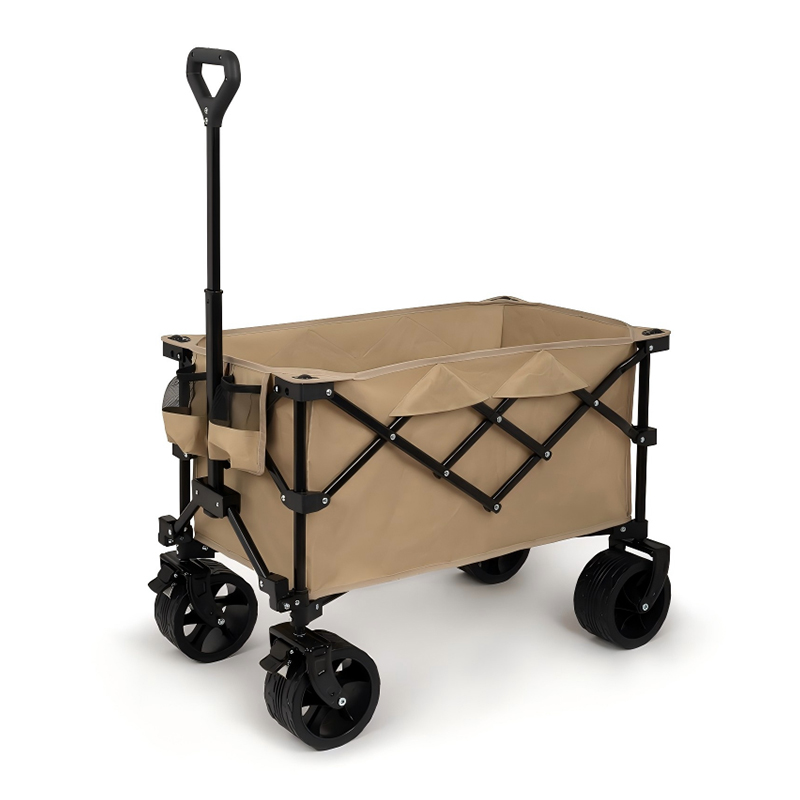
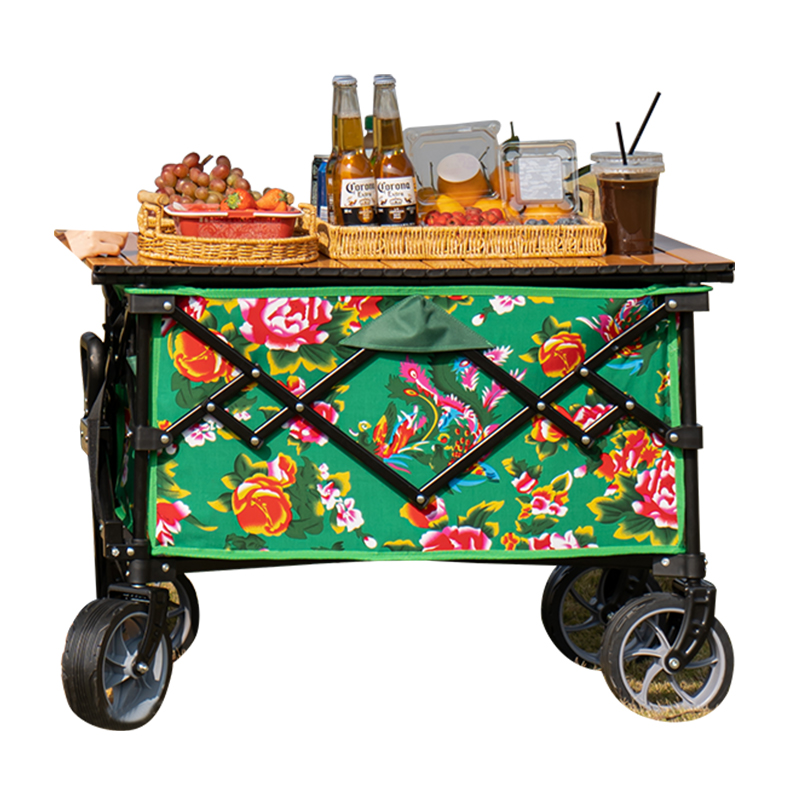
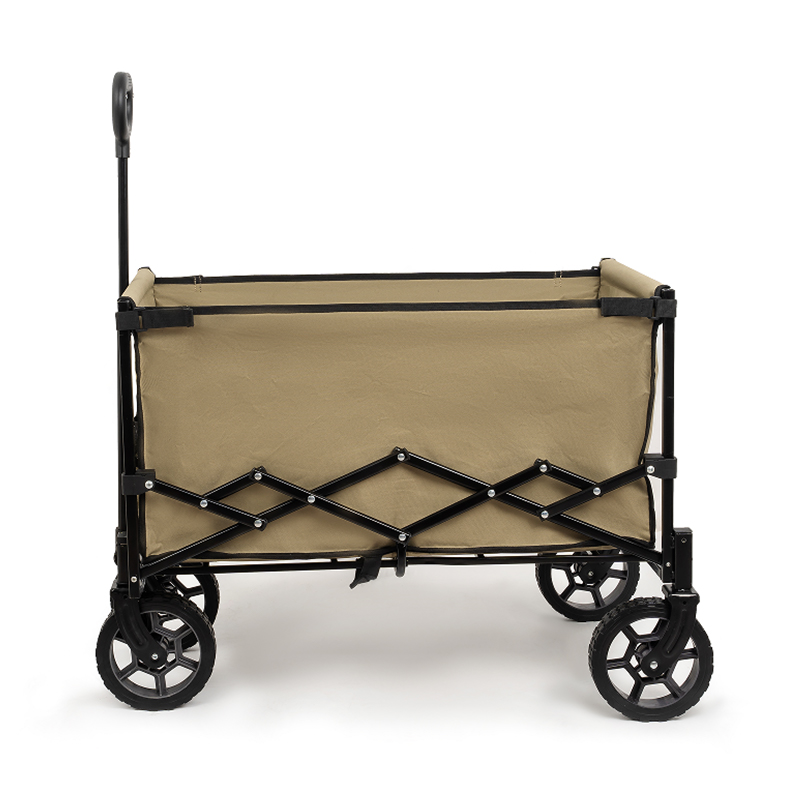
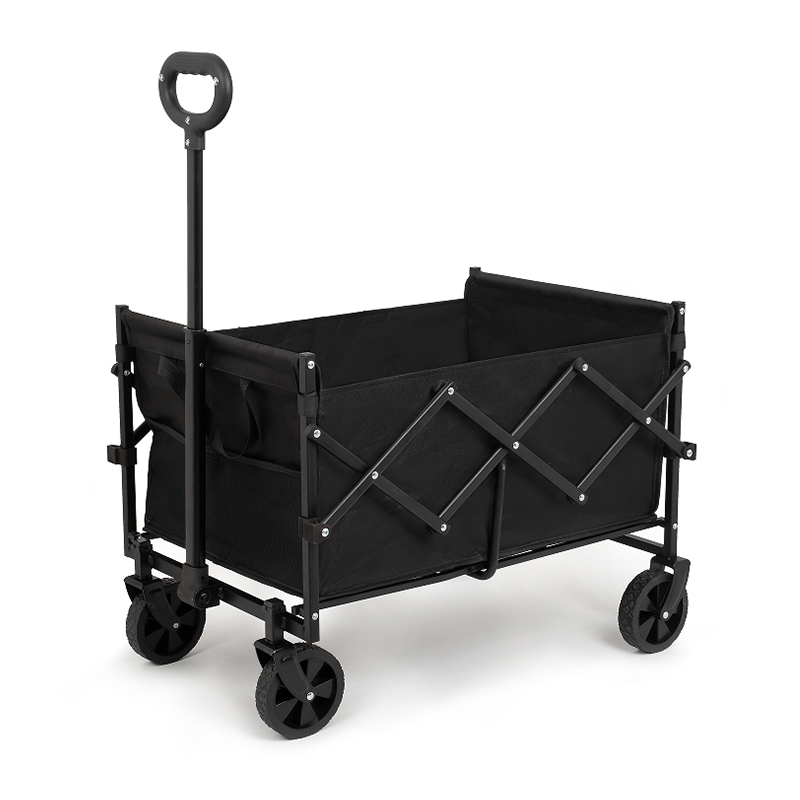
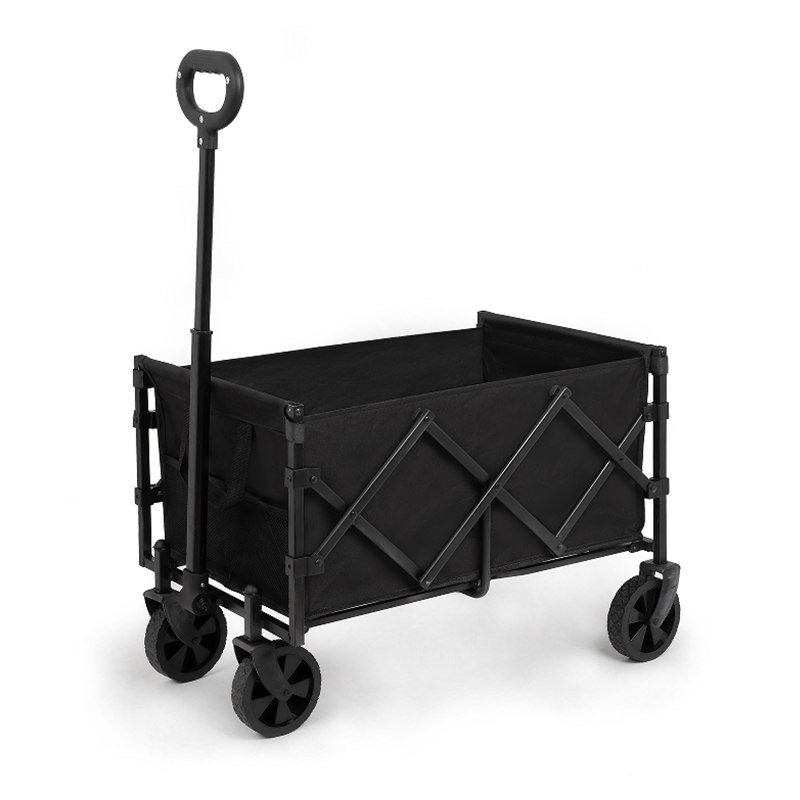
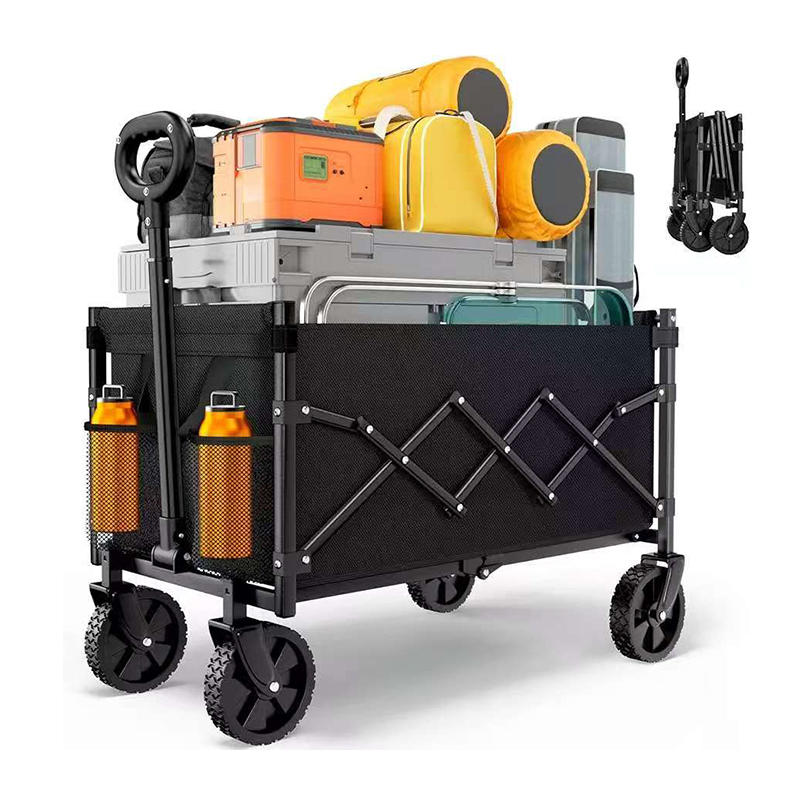
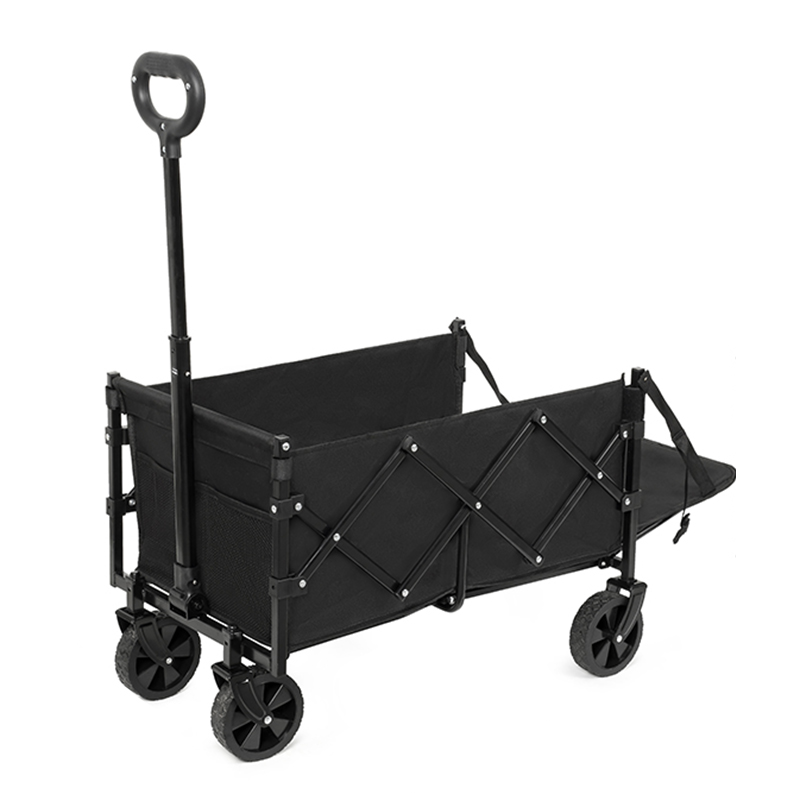
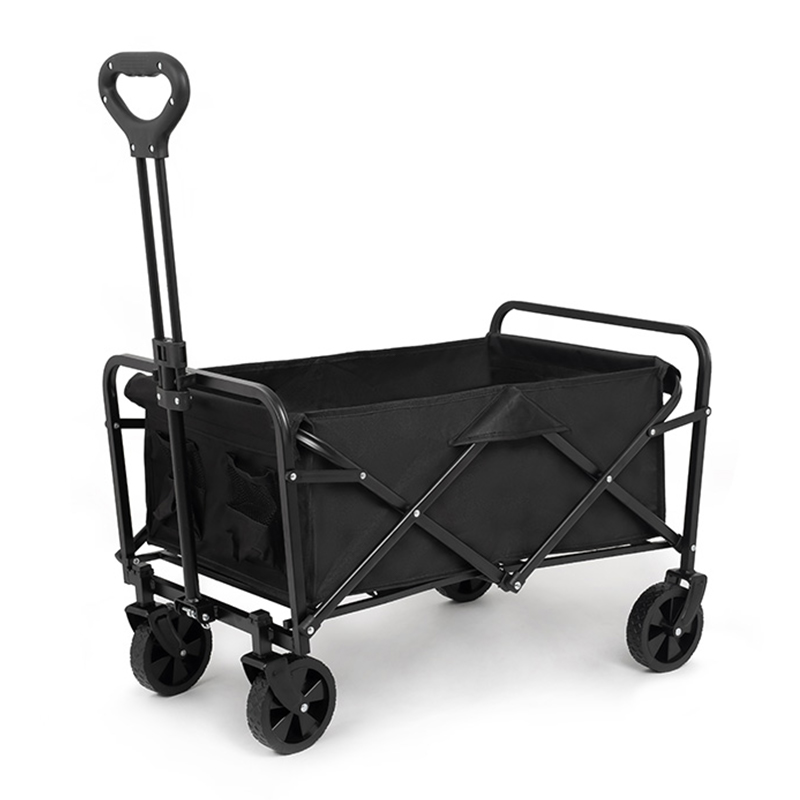
Double-decker wagons with trailers are heavy-duty carts designed to carry large loads. The wagon has two levels or a main deck plus a trailer section. The trailer attaches to the main wagon and follows behind. The setup is used for camping, events, and industrial transport. Manufacturers report steady demand from users who need to move more gear in fewer trips.
The Double-Decker Design Doubles the Capacity
Two levels carry twice the gear
One wagon has limited space. A double-decker wagon with trailer manufacturer designs the wagon with a main deck and an upper level or trailer section. The total capacity is roughly double a standard wagon.
The trailer attaches securely to the main wagon
The trailer must follow without wobbling. A double-decker wagon with trailer manufacturer designs the attachment to be secure and easy to connect. The trailer tracks behind the main wagon.
The trailer tracks behind the wagon without tipping
The trailer has to stay upright. A double-decker wagon with trailer manufacturer designs the trailer with a wide base and low center of gravity so it doesn't tip.
Common specs for double-decker wagons with trailers:
- Combined capacity: 150kg to 200kg
- Main wagon capacity: 80kg to 120kg
- Trailer capacity: 60kg to 80kg
- Wheel type: all-terrain, wide
- Frame: steel or aluminum
- Folded size: compact for storage
Camping and Event Markets Drive Demand
Campers need wagons that carry everything in one trip
Camping gear fills a standard wagon. A double-decker wagon with trailer manufacturer supplies wagons that carry the full load in one trip.
Event organizers need wagons for equipment transport
Events require moving sound gear, tables, and supplies. A double-decker wagon with trailer manufacturer provides wagons that handle heavy loads.
Industrial users need wagons for tools and materials
Job sites need materials moved. A double-decker wagon with trailer manufacturer supplies wagons that carry tools and parts.
Retailers need wagons for stock movement
Stores move inventory. A double-decker wagon with trailer manufacturer provides wagons that handle large loads.
Buyers Focus on Weight Capacity, Wheel Quality, and Attachment Design
Weight capacity must match the combined load
The wagon and trailer together must handle the total weight. A double-decker wagon with trailer manufacturer specifies combined capacity.
Wheel quality affects how the wagon rolls under load
Heavy loads need strong wheels. A double-decker wagon with trailer manufacturer uses wide, sealed-bearing wheels.
Attachment design affects stability and safety
The trailer must attach securely. A double-decker wagon with trailer manufacturer designs the hitch to prevent wobbling.
Frame strength affects how long the wagon lasts
The frame must handle the load. A double-decker wagon with trailer manufacturer uses reinforced steel or aluminum.
Folded size affects storage and transport
The wagon and trailer must fold for storage. A double-decker wagon with trailer manufacturer designs both sections to fold compactly.
Double-Decker Wagons With Trailers Carry More in Fewer Trips
The setup carries twice the gear
Two levels or a trailer doubles capacity. A double-decker wagon with trailer manufacturer produces wagons that reduce trips.
The trailer follows the wagon
The trailer tracks behind. A double-decker wagon with trailer manufacturer supplies trailers that stay aligned.
The wagon is built for heavy use
Reinforced frames and durable wheels. A double-decker wagon with trailer manufacturer provides wagons that last.
Double-decker wagons with trailers are used by campers, event organizers, industrial users, and retailers. Buyers prioritize weight capacity, wheel quality, and attachment design. Double-decker wagon with trailer manufacturers continue to offer different capacities, wheel options, and attachment systems to meet the needs of different users.