English
 日本語
日本語 عربى
عربى Español
 Deutsch
Content
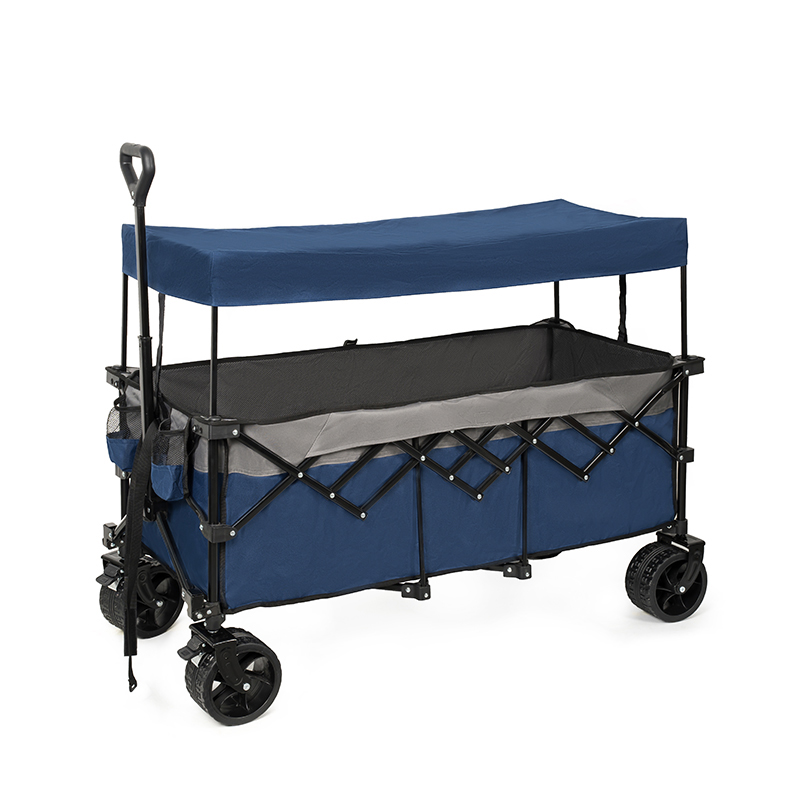
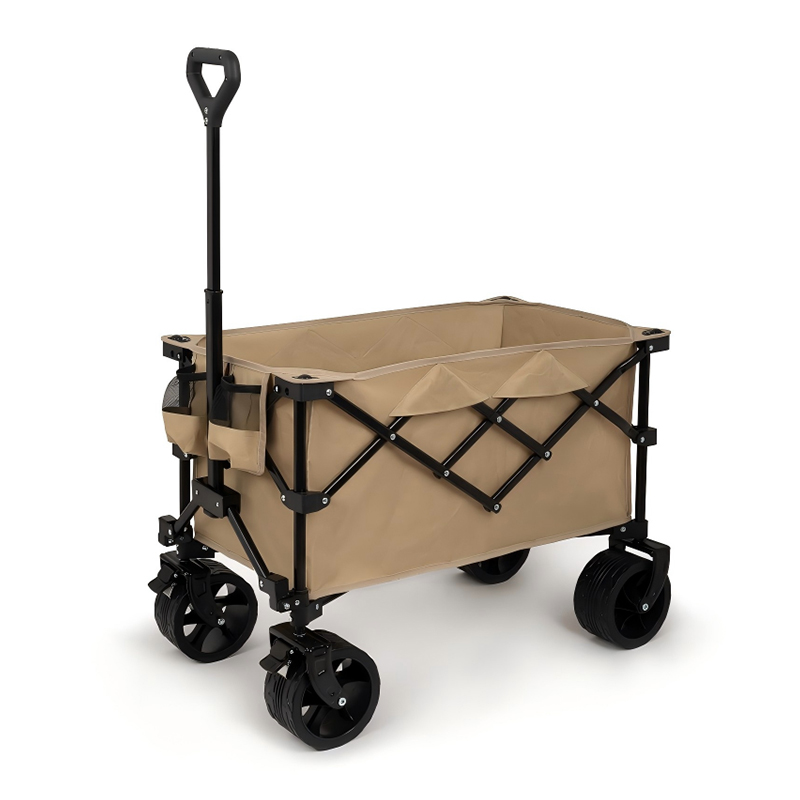
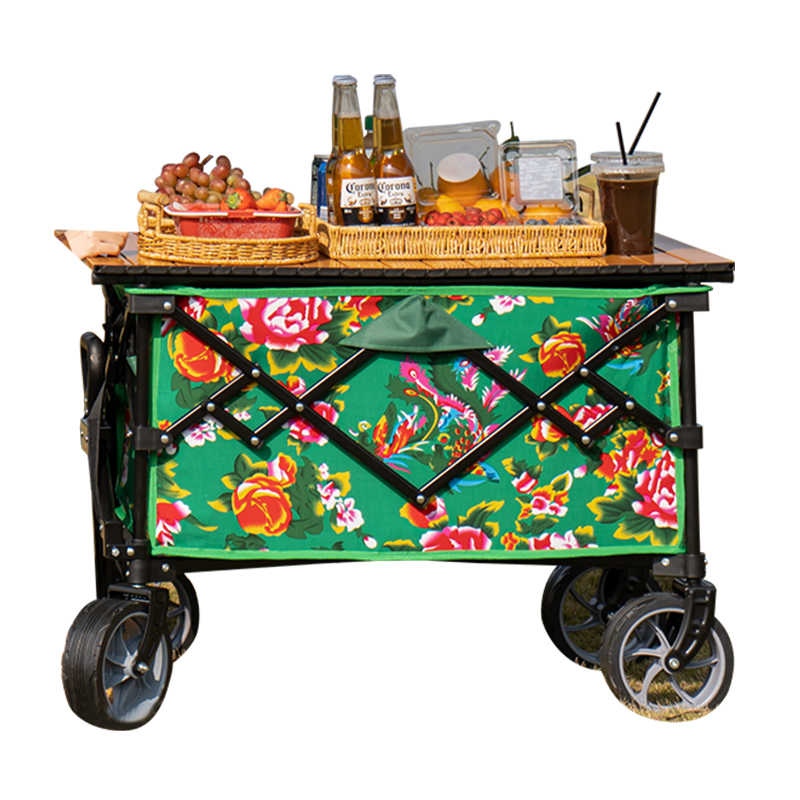
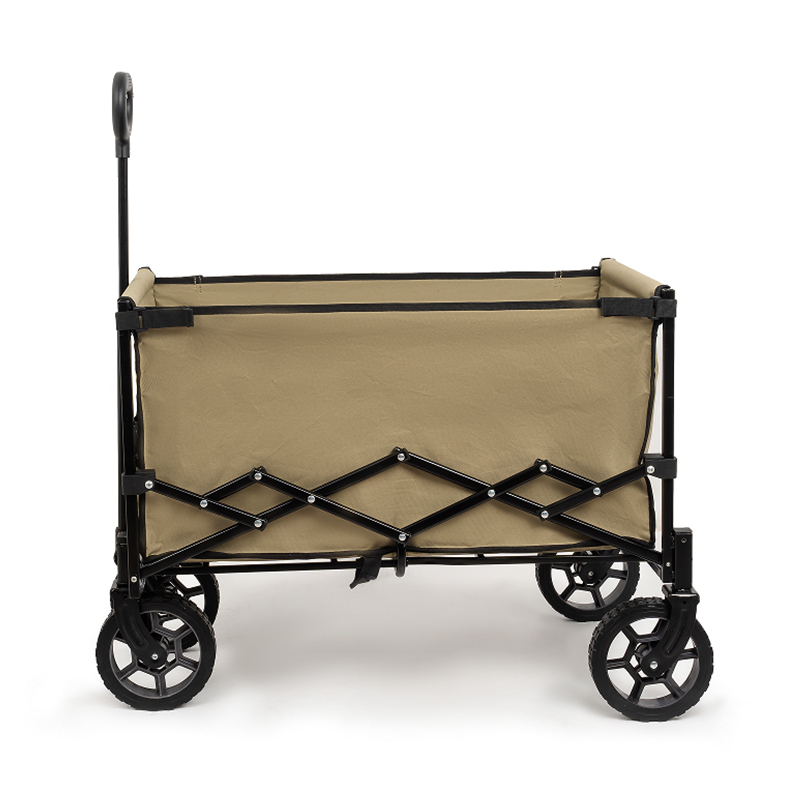
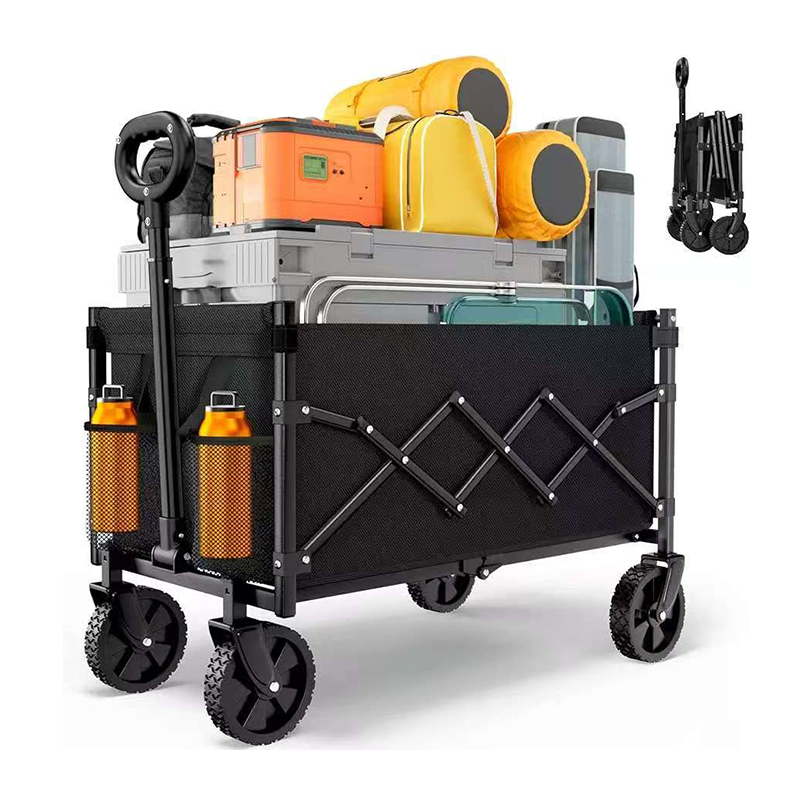
You know the scene. You pull up to a campsite, unload the car, and stare at the pile of gear that needs to make it to your spot. Cooler. Tent. Chairs. Stove. Sleeping bags. It's a lot. That's why camping lifting wagons exist. They carry everything in one trip, save your back, and fold down small enough to fit in the car. A camping lifting wagon manufacturer builds these things to handle the rough stuff—dirt paths, gravel, grass, and the occasional rock.
What Makes a Lifting Wagon Different
It lifts the load off the ground
Unlike a standard pull wagon, a camping lifting wagon has a mechanism that raises the bed. You load it at ground level, then lift it to a comfortable height. No bending over to load and unload. Your back will thank you after a long day of setting up camp.
The lifting mechanism is built for the outdoors
Pneumatic, hydraulic, or mechanical—a camping lifting wagon manufacturer uses systems that work in all weather. Rain, dust, mud, heat—the mechanism keeps working. You're not going to be troubleshooting a broken lift when you're miles from anywhere.
It handles the heavy stuff
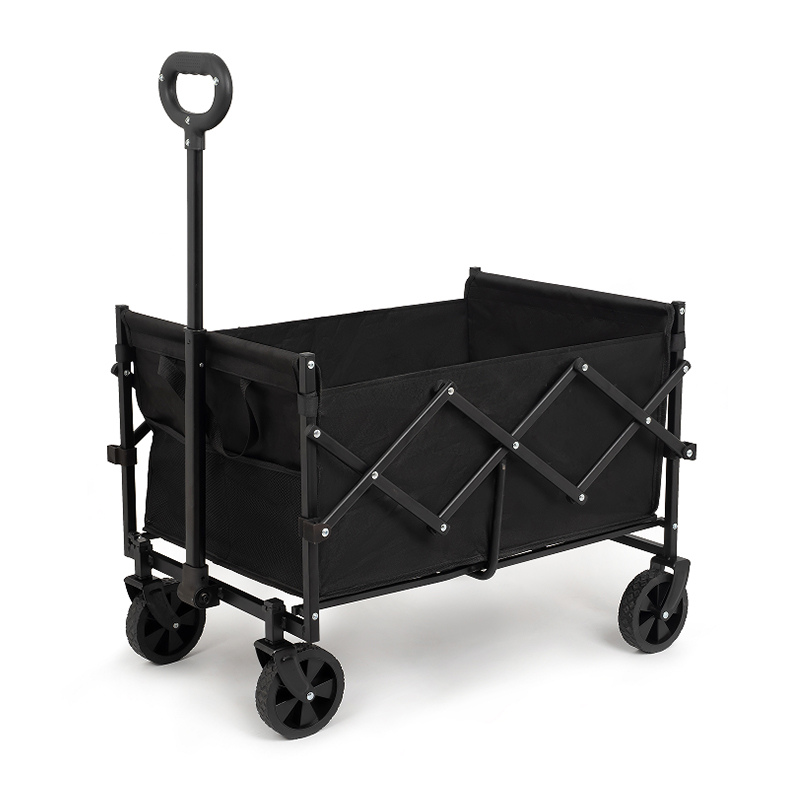
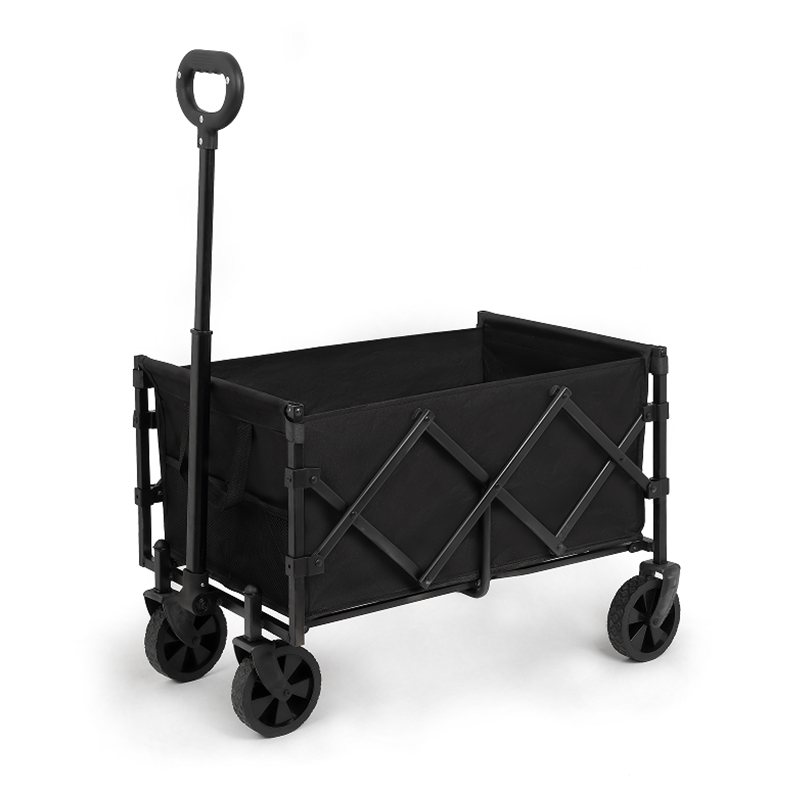
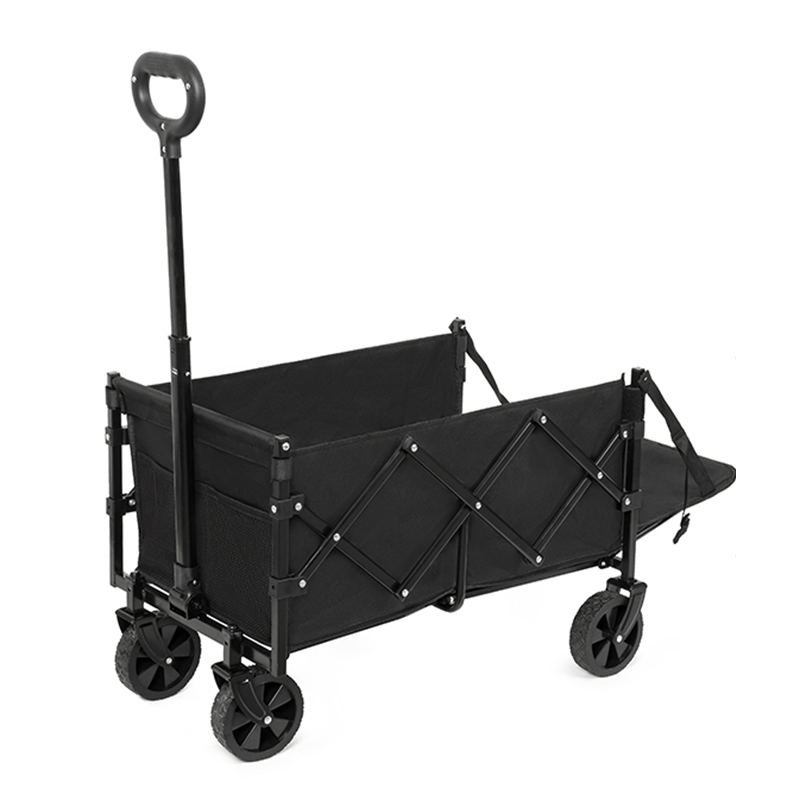
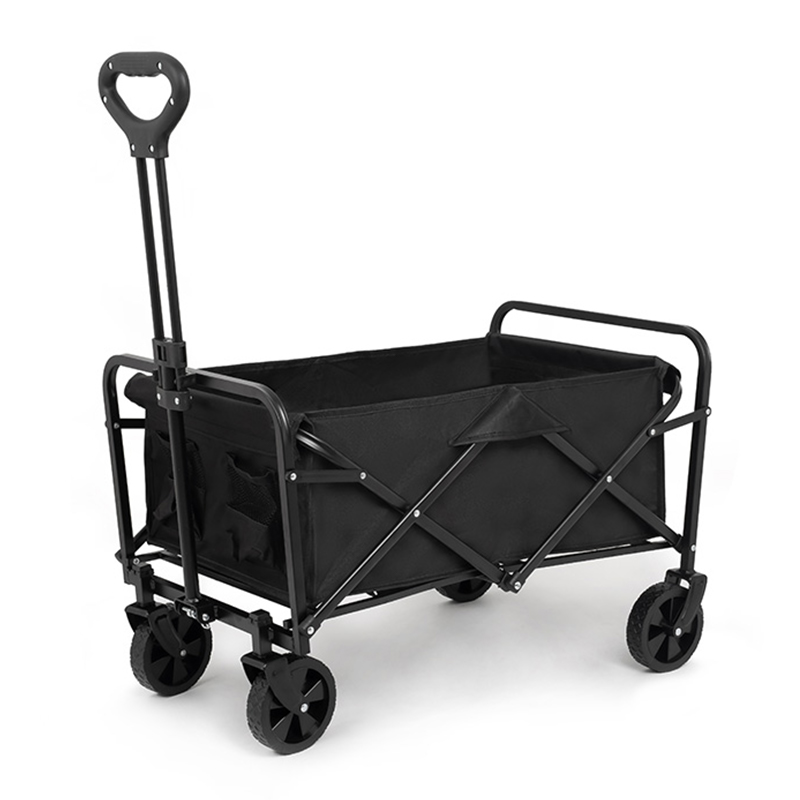
Weight capacity matters. A camping lifting wagon manufacturer builds wagons that carry 80kg, 100kg, even 150kg. That's not just a cooler and a chair—that's a full campsite load. The frame is steel or aluminum. The wheels are wide and tough. The fabric is heavy-duty Oxford or polyester.
What Goes into a Camping Lifting Wagon
The frame
Steel is strong and heavy. Aluminum is lighter but still durable. A camping lifting wagon manufacturer uses either, depending on the target market. Steel for heavy-duty use. Aluminum for portability. Both work.
The lift mechanism
Scissor lifts are common. A camping lifting wagon manufacturer uses a scissor mechanism that raises the bed smoothly. Some are manual—you pump a handle. Others are gas-assisted—you release a latch and it lifts itself. Both are reliable.
The wheels
Wide wheels handle soft ground. A camping lifting wagon manufacturer fits wagons with all-terrain wheels—rubber or plastic, with treads that grip grass and gravel. Swivel casters in the front make steering easier. Bigger wheels roll over obstacles.
The fabric
The bed material has to hold up. A camping lifting wagon manufacturer uses Oxford cloth, polyester, or PVC-coated fabric. It resists tears. It sheds water. It cleans up easily when you spill something.
Typical specs for camping lifting wagons:
- Load capacity: 80kg to 150kg
- Lifting mechanism: scissor lift, gas-assisted
- Frame material: steel or aluminum
- Fabric: Oxford cloth, polyester, PVC-coated
- Wheels: all-terrain, rubber tread
- Folded size: compact for car storage
- Handle: telescoping, ergonomic
- Weight: 10kg to 20kg
Where Camping Lifting Wagons Get Used
Campgrounds and caravan parks
This is the main use. A camping lifting wagon manufacturer supplies wagons that move gear from the car to the tent or caravan. One trip instead of five. Less strain. More time enjoying the outdoors.
Beach trips
Sand is tough on small wheels. A camping lifting wagon manufacturer builds wagons with wide wheels that roll across sand without sinking. Load it up with chairs, umbrellas, and coolers. One trip from the car to the water.
Festivals and events
Outdoor events mean carrying stuff across fields. A camping lifting wagon manufacturer sells wagons that fold small for transport and carry heavy loads. Set up your camp, move your gear, sit back and enjoy.
Gardening and yard work
The wagon doesn't just live at the campsite. A camping lifting wagon manufacturer builds wagons that also work in the backyard—moving soil, plants, tools, firewood. The lift makes it easier to unload without bending.
What to Look For
Lifting mechanism
Pump or gas? A camping lifting wagon manufacturer offers both. Manual pumps are cheaper and simpler. Gas-assisted is easier to use—pull a latch and it lifts. Both work. Pick what fits your budget.
Weight capacity
Don't guess. A camping lifting wagon manufacturer rates each wagon for a specific load. 80kg is fine for light gear. 150kg handles a full campsite. Know what you'll carry.
Wheel size and type
Small wheels struggle on soft ground. A camping lifting wagon manufacturer fits bigger wheels on heavier wagons. 7-inch wheels are standard. 10-inch wheels roll better on sand and gravel. Bigger is better if you're off-road.
Folded size
It has to fit in your car. A camping lifting wagon manufacturer designs wagons that fold flat. Check the folded dimensions before you buy. Some are bigger than others. Make sure it fits your boot.
Material quality
Steel rusts if it's not coated. Fabric tears if it's thin. A camping lifting wagon manufacturer uses galvanized or powder-coated steel and heavy-duty fabric. It costs more upfront. It lasts longer.
A camping lifting wagon manufacturer builds gear that makes outdoor trips easier. You load it, lift it, and roll it. No back pain. No multiple trips. No struggling with heavy gear across rough ground. That's the whole point. Pick the right one—right capacity, right wheels, right size—and you'll wonder how you ever camped without it.